


The Benefits of Choosing Molded Rubber Balls Over Traditional Alternatives
Publish:
2026-10-06


The Benefits of Choosing Molded Rubber Balls Over Traditional Alternatives
Table of Contents
Introduction
Understanding Molded Rubber Balls
Advantages of Molded Rubber Balls
Durability and Longevity
Cost Efficiency
Customizability
Versatility in Applications
Environmental Impact
Comparison with Traditional Alternatives
Selection Criteria for Molded Ru
The Benefits of Choosing Molded Rubber Balls Over Traditional Alternatives
Table of Contents
- Introduction
- Understanding Molded Rubber Balls
- Advantages of Molded Rubber Balls
- Environmental Impact
- Comparison with Traditional Alternatives
- Selection Criteria for Molded Rubber Balls
- FAQs
- Conclusion
Introduction
In an ever-evolving industrial landscape, the choice of materials plays a critical role in product performance and sustainability. When it comes to applications requiring spherical components, molded rubber balls have emerged as a superior choice compared to traditional materials such as plastic or metal. This article delves into the myriad benefits of molded rubber balls, highlighting their distinctive properties, cost advantages, and environmental benefits.
Understanding Molded Rubber Balls
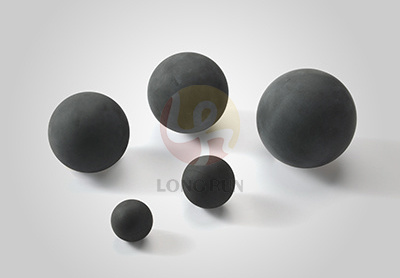
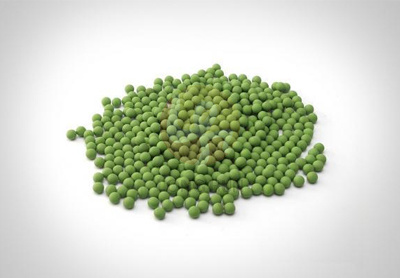
Molded rubber balls are manufactured using a process that involves shaping rubber into spherical forms through compression or injection molding. This method allows for the creation of highly durable and consistent products tailored to specific applications. Molded rubber balls are commonly used in various industries, including automotive, aerospace, and manufacturing, serving functions such as seals, buffers, and even toys.
Advantages of Molded Rubber Balls
Molded rubber balls stand out due to their unique characteristics and benefits. Let’s explore these advantages in detail.
Durability and Longevity
One of the most compelling reasons to choose molded rubber balls is their **exceptional durability**. Unlike traditional materials that may crack or degrade over time, molded rubber is designed to withstand extreme conditions, including temperature fluctuations, moisture, and UV exposure. This inherent durability translates to a longer lifespan and reduced frequency of replacements, resulting in significant cost savings over time.
Cost Efficiency
While the initial investment in molded rubber balls might be slightly higher than traditional alternatives, their long-term **cost efficiency** is undeniable. The extended life and reduced maintenance needs lead to lower overall expenditure. In addition, the manufacturing process for molded rubber balls often allows for bulk production, reducing per-unit costs and making them an attractive option for businesses looking to manage budgets effectively.
Customizability
Molded rubber balls offer unparalleled **customizability**, allowing manufacturers to create products that meet specific dimensional and functional requirements. Whether it’s the size, hardness, or color, molded rubber can be tailored to match the precise needs of different applications. This flexibility is particularly beneficial in industries that require specialized components to enhance product performance.
Versatility in Applications
The versatility of molded rubber balls is another significant advantage. They can be utilized in numerous applications ranging from industrial machinery to recreational equipment. Their ability to absorb shock, provide traction, and serve as seals makes them indispensable in diverse sectors, including automotive, sporting goods, and healthcare.
Environmental Impact
As sustainability becomes increasingly important, molded rubber balls present a more eco-friendly alternative to traditional materials. Many manufacturers are now using recycled rubber in their production processes, reducing waste and promoting a circular economy. Moreover, the longevity of molded rubber balls means fewer replacements and less overall material waste, aligning with global efforts to minimize environmental impact.
Comparison with Traditional Alternatives
When comparing molded rubber balls to traditional alternatives such as plastic or metal, several distinctions become apparent.
- **Durability**: Molded rubber balls resist wear and tear better than plastic counterparts, which are prone to cracking and breaking under stress.
- **Weight**: Molded rubber balls typically weigh less than metal options, making them easier to handle and transport.
- **Cost**: While metal may offer some advantages in certain applications, the long-term costs associated with molded rubber often make it the more economical choice.
- **Safety**: Molded rubber is generally safer to use in environments where impact resistance is crucial, as it does not shatter like glass or hard plastic.
Selection Criteria for Molded Rubber Balls
When selecting molded rubber balls for specific applications, several criteria should be considered:
- **Material Composition**: Different grades of rubber offer varying levels of durability, flexibility, and resistance. Understanding the application requirements helps in choosing the right material.
- **Size and Shape**: Custom sizes and shapes can significantly affect performance. Ensure the dimensions align with your project specifications.
- **Hardness**: The hardness of the rubber can influence how the ball performs under stress. Softer rubber may provide better shock absorption, while harder rubber can offer greater durability.
- **Environmental Considerations**: Consider whether the rubber is sourced from recycled materials and its overall environmental footprint.
FAQs
1. What are molded rubber balls used for?
Molded rubber balls are used in various applications, including automotive seals, shock absorbers, and recreational products like balls for sports.
2. How long do molded rubber balls last?
The lifespan of molded rubber balls can vary based on usage and environmental conditions, but they generally offer a significantly longer life compared to traditional materials.
3. Are molded rubber balls safe for children?
Yes, molded rubber balls are generally safe for children as they do not shatter and are less likely to cause injury compared to hard plastic or glass alternatives.
4. Can molded rubber balls be customized?
Absolutely! Molded rubber balls can be customized in size, color, hardness, and other specifications to meet specific application requirements.
5. Are molded rubber balls environmentally friendly?
Many molded rubber balls are made from recycled materials, making them a more sustainable choice compared to traditional alternatives.
Conclusion
In summary, molded rubber balls offer a multitude of benefits over traditional alternatives. Their durability, cost-efficiency, customizability, and environmental impact make them an excellent choice for a wide range of applications. As industries continue to prioritize sustainability and performance, the shift towards molded rubber balls is not just a trend; it's a smart, strategic decision for businesses aiming to enhance their product offerings while minimizing ecological footprints. By choosing molded rubber balls, manufacturers and consumers alike can enjoy superior quality and functionality, ensuring that they are well-prepared for the future.
Prev:
Related News
The Benefits of Choosing Molded Rubber Balls Over Traditional Alternatives
The Benefits of Choosing Molded Rubber Balls Over Traditional Alternatives Table of Contents Introduction Understanding Molded Rubber Balls Advantages of Molded Rubber Balls Durability and Longevity Cost Efficiency Customizability Versatility in Applications Environmental Impact Comparison with Traditional Alternatives Selection Criteria for Molded Ru
Oct 06,2026
Unlocking the Versatility of Rubber Balls in the Chemical Industry
Rubber balls are a remarkable example of how a simple concept can manifest in numerous applications within the chemical sector and beyond. Their versatility makes them an essential component in various industries, including manufacturing, automotive, and sports. Understanding the properties and potential uses of rubber balls can empower businesses to harness their capabilities effectively. First a
Oct 03,2026
The Vital Role of Rubber Flexible Connectors in Modern Industrial Systems
The Vital Role of Rubber Flexible Connectors in Modern Industrial Systems Rubber flexible connectors are essential components in various industrial applications, playing a crucial role in facilitating the seamless operation of systems that rely on fluid and gas movement. In today's fast-paced industrial landscape, the significance of these connectors cannot be overstated. As industries evolve and
Sep 30,2026
The Versatile World of Rubber Bonded Metal Products
Rubber bonded metal products represent a fascinating intersection of materials science and engineering, combining the flexibility and resilience of rubber with the strength and durability of metal. This unique pairing allows for the creation of products that are not only robust but also capable of absorbing shock, reducing vibrations, and providing a reliable seal against environmental factors. On
Sep 27,2026
Comparing Viton O Rings to Silicone: Which Material Reigns Supreme?
Comparing Viton O Rings to Silicone: Which Material Reigns Supreme? Table of Contents 1. Introduction to O Rings and Their Importance 2. What Are Viton O Rings? 3. What Are Silicone O Rings? 4. Key Differences Between Viton and Silicone O Rings 5. Performance in High Temperatures 6. Chemical Resistance: A Critical Comparison 7. Applications of Viton O Rings 8. Appl
Sep 24,2026

Add: Building # 7, No. 27, Songbai Ling Avenue, Zhonghan Huizhou Industrial Park, Zhongkai High-tech Zone, Huizhou, Guangdong, China 516032

LONGRUN
Privacy Policy | SEO | Support: 300.cn