

Why Customized Molded Rubber Balls Are Essential for Your Industry Needs
Publish:
2025-11-10


Why Customized Molded Rubber Balls Are Essential for Your Industry Needs
Table of Contents
1. Introduction to Molded Rubber Balls
2. Importance of Customized Molded Rubber Balls in Various Industries
3. Manufacturing Process of Customized Molded Rubber Balls
4. Applications of Customized Molded Rubber Balls
5. Key Benefits of Using Customized Molded Rubber Balls
6. Factors
Why Customized Molded Rubber Balls Are Essential for Your Industry Needs
Table of Contents
- 1. Introduction to Molded Rubber Balls
- 2. Importance of Customized Molded Rubber Balls in Various Industries
- 3. Manufacturing Process of Customized Molded Rubber Balls
- 4. Applications of Customized Molded Rubber Balls
- 5. Key Benefits of Using Customized Molded Rubber Balls
- 6. Factors to Consider When Selecting Molded Rubber Balls
- 7. Industry Examples and Case Studies
- 8. Frequently Asked Questions (FAQs)
- 9. Conclusion
1. Introduction to Molded Rubber Balls
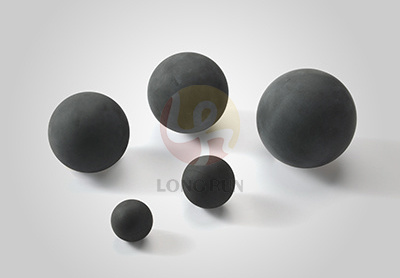
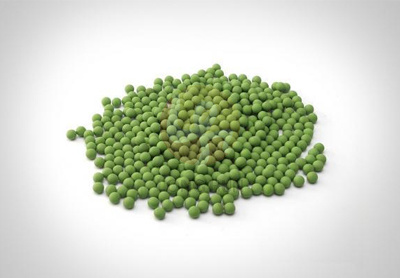
Customized molded rubber balls are integral components in various industrial applications. These balls are crafted from high-quality rubber compounds, tailored to meet specific requirements. Their versatility and durability make them ideal for use in everything from manufacturing processes to recreational activities. The manufacturing of these balls involves sophisticated techniques that ensure precision and quality, catering to the unique needs of different industries.
2. Importance of Customized Molded Rubber Balls in Various Industries
The demand for **customized molded rubber balls** has surged in recent years due to their essential role across multiple sectors. Here are several reasons highlighting their importance:
Enhanced Performance and Efficiency
In industrial applications, efficiency is crucial. Customized rubber balls can be engineered to optimize performance, ensuring that machinery operates smoothly and effectively.
Cost-Effectiveness
Investing in **customized solutions** allows businesses to save money in the long run. Tailored rubber balls reduce the need for frequent replacements and maintenance, providing significant cost savings over time.
Improved Safety Standards
In industries where safety is paramount, molded rubber balls can help prevent accidents and injuries. Their design can mitigate risks associated with machinery and equipment.
3. Manufacturing Process of Customized Molded Rubber Balls
The manufacturing of molded rubber balls involves several intricate steps, ensuring that the final product meets specified industry standards.
Material Selection
Choosing the right rubber compounds is the first step. Different types of rubber, such as silicone, natural rubber, and neoprene, offer varying properties like resistance to heat, chemicals, and wear.
Design and Prototyping
After selecting the material, the next step involves designing the ball based on client specifications. Computer-aided design (CAD) software is often used to create prototypes, allowing for adjustments before mass production.
Molding Process
The molding process typically involves transferring the rubber material into a mold, where it is heated under pressure. This process ensures that the rubber takes the shape of the mold precisely, creating uniform products.
Quality Control
Quality assurance is critical. Each batch of molded rubber balls undergoes rigorous testing to ensure they meet industry standards. This includes checks for size, weight, and performance under various conditions.
4. Applications of Customized Molded Rubber Balls
Customized molded rubber balls find applications in a wide range of industries, enhancing functionality and performance. Here are some notable applications:
Manufacturing
In the manufacturing sector, rubber balls are often used in machinery for vibration damping and as components in moving parts.
Sports and Recreation
Customized rubber balls are widely used in sports equipment, such as basketballs, soccer balls, and playground balls, providing durability and performance in various conditions.
Aerospace and Automotive
In the aerospace and automotive industries, these rubber balls are utilized in systems requiring precise motions and high durability, contributing to safety and efficiency.
5. Key Benefits of Using Customized Molded Rubber Balls
The advantages of utilizing customized molded rubber balls are substantial. Here are some of the key benefits:
Durability
Rubber balls are designed to withstand harsh conditions, including extreme temperatures and exposure to chemicals, which is crucial for industrial applications.
Versatility
These balls can be tailored to various sizes, shapes, and hardness levels, making them suitable for specific applications across different industries.
Enhanced Functionality
Customized molded rubber balls can be designed for specific functionalities, such as improved grip, shock absorption, and resistance to wear and tear.
6. Factors to Consider When Selecting Molded Rubber Balls
Choosing the right molded rubber balls for your specific needs requires careful consideration of several factors:
Application Requirements
Understanding the specific requirements of your application is crucial. Consider factors such as load capacity, environmental conditions, and the desired lifespan of the rubber balls.
Material Properties
Evaluate the properties of different rubber types. For example, if chemical resistance is a priority, materials like nitrile or EPDM rubber may be necessary.
Size and Shape
The size and shape of the rubber balls should be tailored to fit the machinery or equipment they will be used in. Precise dimensions ensure optimal performance.
7. Industry Examples and Case Studies
Several industries have successfully implemented customized molded rubber balls, demonstrating their impact.
Case Study: Manufacturing Industry
A prominent manufacturing company faced challenges with equipment wear and tear. By integrating customized molded rubber balls into their machinery, they achieved a significant reduction in maintenance costs and improved production efficiency.
Case Study: Sports Equipment
A leading sports equipment manufacturer developed customized rubber balls to enhance performance in extreme weather conditions. The new design improved the durability and playability of their products, leading to increased sales and customer satisfaction.
8. Frequently Asked Questions (FAQs)
What are molded rubber balls used for?
Molded rubber balls are used in various applications, including machinery, sports equipment, and automotive components, due to their versatility and durability.
How are customized molded rubber balls made?
They are manufactured through a process that includes material selection, design, molding, and quality control to ensure they meet specific industry standards.
What materials are used in molded rubber balls?
Common materials include natural rubber, silicone, neoprene, and nitrile, each offering different properties suited for specific applications.
Why should I choose customized options over standard ones?
Customized molded rubber balls provide tailored solutions that can enhance performance, reduce costs, and meet specific application requirements more effectively than standard options.
How do I determine the right size for my needs?
The right size depends on the application and equipment specifications. Consulting with manufacturers can provide insights into the best sizing options.
9. Conclusion
Customized molded rubber balls play a vital role in various industries, offering performance, durability, and safety. Their tailored nature allows businesses to enhance efficiency and reduce costs significantly. By understanding the manufacturing process, applications, and selection criteria, companies can make informed decisions that align with their operational needs. Investing in customized solutions not only optimizes performance but also positions businesses to thrive in a competitive market.
Related News
The Benefits of Choosing Molded Rubber Balls Over Traditional Alternatives
The Benefits of Choosing Molded Rubber Balls Over Traditional Alternatives Table of Contents Introduction Understanding Molded Rubber Balls Advantages of Molded Rubber Balls Durability and Longevity Cost Efficiency Customizability Versatility in Applications Environmental Impact Comparison with Traditional Alternatives Selection Criteria for Molded Ru
Oct 06,2026
Unlocking the Versatility of Rubber Balls in the Chemical Industry
Rubber balls are a remarkable example of how a simple concept can manifest in numerous applications within the chemical sector and beyond. Their versatility makes them an essential component in various industries, including manufacturing, automotive, and sports. Understanding the properties and potential uses of rubber balls can empower businesses to harness their capabilities effectively. First a
Oct 03,2026
The Vital Role of Rubber Flexible Connectors in Modern Industrial Systems
The Vital Role of Rubber Flexible Connectors in Modern Industrial Systems Rubber flexible connectors are essential components in various industrial applications, playing a crucial role in facilitating the seamless operation of systems that rely on fluid and gas movement. In today's fast-paced industrial landscape, the significance of these connectors cannot be overstated. As industries evolve and
Sep 30,2026
The Versatile World of Rubber Bonded Metal Products
Rubber bonded metal products represent a fascinating intersection of materials science and engineering, combining the flexibility and resilience of rubber with the strength and durability of metal. This unique pairing allows for the creation of products that are not only robust but also capable of absorbing shock, reducing vibrations, and providing a reliable seal against environmental factors. On
Sep 27,2026
Comparing Viton O Rings to Silicone: Which Material Reigns Supreme?
Comparing Viton O Rings to Silicone: Which Material Reigns Supreme? Table of Contents 1. Introduction to O Rings and Their Importance 2. What Are Viton O Rings? 3. What Are Silicone O Rings? 4. Key Differences Between Viton and Silicone O Rings 5. Performance in High Temperatures 6. Chemical Resistance: A Critical Comparison 7. Applications of Viton O Rings 8. Appl
Sep 24,2026

Add: Building # 7, No. 27, Songbai Ling Avenue, Zhonghan Huizhou Industrial Park, Zhongkai High-tech Zone, Huizhou, Guangdong, China 516032

LONGRUN
Privacy Policy | SEO | Support: 300.cn