

How Customized Molded Rubber Balls Enhance Product Performance
Publish:
2026-02-04


How Customized Molded Rubber Balls Enhance Product Performance
Table of Contents
1. Introduction to Customized Molded Rubber Balls
2. Benefits of Customized Molded Rubber Balls
3. The Manufacturing Process of Customized Molded Rubber Balls
3.1 Materials Used in Production
3.2 Molding Techniques
4. Applications of Customized Molded Rubber B
How Customized Molded Rubber Balls Enhance Product Performance
Table of Contents
- 1. Introduction to Customized Molded Rubber Balls
- 2. Benefits of Customized Molded Rubber Balls
- 3. The Manufacturing Process of Customized Molded Rubber Balls
- 4. Applications of Customized Molded Rubber Balls in Various Industries
- 5. How Customized Molded Rubber Balls Enhance Product Performance
- 6. Case Studies: Success Stories of Enhanced Performance
- 7. Frequently Asked Questions (FAQs)
- 8. Conclusion
1. Introduction to Customized Molded Rubber Balls
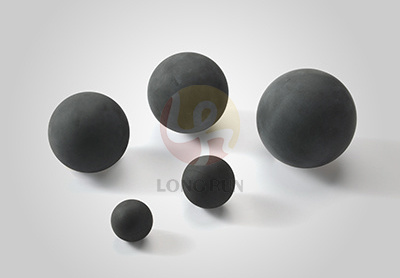
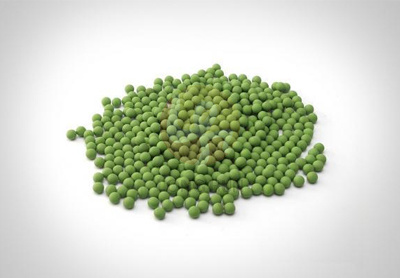
Customized molded rubber balls have become integral components in a multitude of products across diverse industries. These balls are not mere objects; they represent a complex blend of material science, engineering, and design that culminates in enhanced product performance. From improving resilience to optimizing functionality, customized rubber balls offer tailored solutions that address specific needs. This article explores their benefits, manufacturing processes, and how they contribute significantly to enhanced product performance.
2. Benefits of Customized Molded Rubber Balls
The advantages of customized molded rubber balls are vast and varied. By focusing on specific requirements, manufacturers can produce rubber balls that not only meet but exceed expectations. Here are some of the most notable benefits:
Durability and Longevity
Customized molded rubber balls are designed to withstand harsh environments and mechanical stresses. Their durability ensures prolonged use, reducing the need for frequent replacements and ultimately leading to cost savings.
Precision Engineering
With the ability to customize dimensions, hardness, and surface textures, these rubber balls can be engineered to meet precise specifications. This precision not only improves performance but also enhances the safety and reliability of the products they are incorporated into.
Enhanced Performance Characteristics
Customized balls can be designed to optimize various performance characteristics, such as bounce, grip, and resistance to wear. This optimization ensures that products function efficiently and effectively, leading to superior user experience.
Versatility in Applications
These rubber balls can be tailored to meet the specific needs of various industries, including automotive, medical, and sports, making them incredibly versatile. This adaptability allows manufacturers to innovate and meet changing market demands.
3. The Manufacturing Process of Customized Molded Rubber Balls
The production of customized molded rubber balls involves a series of precise steps designed to ensure that each ball meets specific requirements. Understanding this manufacturing process is crucial for appreciating the quality and performance of the final product.
3.1 Materials Used in Production
The choice of materials is fundamental in the manufacturing of customized molded rubber balls. Commonly used materials include:
- **Natural Rubber**: Known for its elasticity and resilience, natural rubber is often employed in applications requiring flexibility.
- **Synthetic Rubber**: Types such as EPDM, SBR, and NBR provide unique properties, including chemical resistance and durability, making them suitable for various applications.
- **Thermoplastic Elastomers (TPE)**: Offering the qualities of rubber with the processing advantages of plastics, TPEs can be tailored for specific performance requirements.
3.2 Molding Techniques
Several molding techniques are utilized to create customized rubber balls:
- **Compression Molding**: This traditional technique involves compressing rubber material into a mold under heat and pressure, ideal for larger production runs.
- **Injection Molding**: Injection molding allows for complex designs and is suited for high-volume production. It involves injecting melted rubber into a mold, where it cools and solidifies.
- **Transfer Molding**: This hybrid technique combines aspects of both compression and injection molding, offering flexibility in design and material use.
4. Applications of Customized Molded Rubber Balls in Various Industries
The versatility of customized molded rubber balls enables their use in various industries. Below are some key applications.
4.1 Automotive Industry
In the automotive sector, customized rubber balls are used in suspension systems, valve applications, and as vibration dampers. Their ability to absorb shocks and vibrations enhances vehicle performance and passenger comfort.
4.2 Sports Equipment
Customized rubber balls play a crucial role in sports equipment, offering tailored bounce and grip properties. From basketballs to tennis balls, these rubber products are engineered to meet the demands of performance athletes.
4.3 Medical Devices
In medical applications, customized molded rubber balls are utilized in devices such as blood pressure cuffs and therapeutic equipment. Their biocompatibility and durability ensure safe and effective use in healthcare settings.
5. How Customized Molded Rubber Balls Enhance Product Performance
The enhancement of product performance through customized molded rubber balls is a result of their unique design and material properties. Here are key factors contributing to performance improvements:
Optimized Design
By tailoring the size, weight, and surface texture, manufacturers can create rubber balls that enhance the overall functionality of their products. This optimization leads to improved user satisfaction and efficiency.
Increased Safety
Customized molded rubber balls can be designed to include features that enhance safety, such as non-slip surfaces or specific hardness levels. This reduces the risk of accidents and failures in various applications.
Cost-Effectiveness
Investing in customized solutions may seem daunting initially, but the long-term benefits, including reduced maintenance costs and improved performance, often outweigh the initial investment.
6. Case Studies: Success Stories of Enhanced Performance
Several companies have successfully incorporated customized molded rubber balls into their products, resulting in remarkable performance gains. Here are a few notable case studies:
Case Study 1: Automotive Suspension Systems
A leading automotive manufacturer implemented customized molded rubber balls in their suspension systems, resulting in a 20% reduction in vibration transmission to the cabin, dramatically improving passenger comfort.
Case Study 2: Sports Equipment Innovation
A sports equipment company utilized customized rubber balls to develop a new line of tennis balls that offered enhanced grip and durability. This innovation led to a significant increase in market share and customer satisfaction.
Case Study 3: Medical Device Efficiency
A healthcare provider integrated customized molded rubber balls into their medical devices, which improved the reliability and accuracy of blood pressure readings, ultimately leading to better patient outcomes.
7. Frequently Asked Questions (FAQs)
What are customized molded rubber balls made from?
Customized molded rubber balls can be made from various materials, including natural rubber, synthetic rubber, and thermoplastic elastomers, depending on the application requirements.
How are these rubber balls manufactured?
The manufacturing process involves selecting appropriate materials, followed by molding techniques such as compression molding, injection molding, or transfer molding to create the final product.
What industries benefit from customized molded rubber balls?
Industries such as automotive, sports, and medical devices greatly benefit from the use of customized molded rubber balls due to their tailored properties and enhanced performance characteristics.
Can I order customized rubber balls in different sizes and specifications?
Yes, manufacturers typically offer customization options that allow you to specify size, hardness, surface texture, and other characteristics to meet your specific needs.
How do customized molded rubber balls improve product safety?
Customized molded rubber balls can include specific design features, such as non-slip surfaces and controlled hardness, which enhance safety and reduce the risk of accidents in various applications.
8. Conclusion
Customized molded rubber balls represent a significant advancement in material engineering, offering tailored solutions that can drastically enhance product performance. By understanding their benefits, manufacturing processes, and diverse applications, industries can leverage these specialized components to improve efficiency, safety, and user satisfaction. Embracing these innovations will not only drive product excellence but also position companies at the forefront of their respective markets. Investing in customized molded rubber balls is not just a choice; it's a strategic move towards better performance and greater success.
Related News
The Benefits of Choosing Molded Rubber Balls Over Traditional Alternatives
The Benefits of Choosing Molded Rubber Balls Over Traditional Alternatives Table of Contents Introduction Understanding Molded Rubber Balls Advantages of Molded Rubber Balls Durability and Longevity Cost Efficiency Customizability Versatility in Applications Environmental Impact Comparison with Traditional Alternatives Selection Criteria for Molded Ru
Oct 06,2026
Unlocking the Versatility of Rubber Balls in the Chemical Industry
Rubber balls are a remarkable example of how a simple concept can manifest in numerous applications within the chemical sector and beyond. Their versatility makes them an essential component in various industries, including manufacturing, automotive, and sports. Understanding the properties and potential uses of rubber balls can empower businesses to harness their capabilities effectively. First a
Oct 03,2026
The Vital Role of Rubber Flexible Connectors in Modern Industrial Systems
The Vital Role of Rubber Flexible Connectors in Modern Industrial Systems Rubber flexible connectors are essential components in various industrial applications, playing a crucial role in facilitating the seamless operation of systems that rely on fluid and gas movement. In today's fast-paced industrial landscape, the significance of these connectors cannot be overstated. As industries evolve and
Sep 30,2026
The Versatile World of Rubber Bonded Metal Products
Rubber bonded metal products represent a fascinating intersection of materials science and engineering, combining the flexibility and resilience of rubber with the strength and durability of metal. This unique pairing allows for the creation of products that are not only robust but also capable of absorbing shock, reducing vibrations, and providing a reliable seal against environmental factors. On
Sep 27,2026
Comparing Viton O Rings to Silicone: Which Material Reigns Supreme?
Comparing Viton O Rings to Silicone: Which Material Reigns Supreme? Table of Contents 1. Introduction to O Rings and Their Importance 2. What Are Viton O Rings? 3. What Are Silicone O Rings? 4. Key Differences Between Viton and Silicone O Rings 5. Performance in High Temperatures 6. Chemical Resistance: A Critical Comparison 7. Applications of Viton O Rings 8. Appl
Sep 24,2026

Add: Building # 7, No. 27, Songbai Ling Avenue, Zhonghan Huizhou Industrial Park, Zhongkai High-tech Zone, Huizhou, Guangdong, China 516032

LONGRUN
Privacy Policy | SEO | Support: 300.cn