
Innovations in Quality Fiber Reinforced Diaphragms for Enhanced Rubber Manufacturing
Publish:
2026-03-04


Innovations in Quality Fiber Reinforced Diaphragms for Enhanced Rubber Manufacturing
Table of Contents
1. Introduction to Fiber Reinforced Diaphragms
2. The Role of Fiber Reinforcement in Rubber Manufacturing
2.1 Benefits of Fiber Reinforcement
2.2 Types of Fibers Used in Diaphragms
3. Advances in Diaphragm Technology
3.1 New Materials and Their Properties
3.2 Manufacturing Technique
Innovations in Quality Fiber Reinforced Diaphragms for Enhanced Rubber Manufacturing
Table of Contents
1. Introduction to Fiber Reinforced Diaphragms
2. The Role of Fiber Reinforcement in Rubber Manufacturing
2.1 Benefits of Fiber Reinforcement
2.2 Types of Fibers Used in Diaphragms
3. Advances in Diaphragm Technology
3.1 New Materials and Their Properties
3.2 Manufacturing Techniques Enhancing Diaphragm Quality
4. Performance Metrics of Fiber Reinforced Diaphragms
4.1 Durability and Longevity
4.2 Resistance to Environmental Factors
5. Applications in the Rubber Industry
5.1 Automotive and Aerospace Industry Uses
5.2 Industrial Applications
6. Sustainability and Environmental Impact
7. Future Trends in Fiber Reinforced Diaphragms
8. Frequently Asked Questions (FAQs)
9. Conclusion
1. Introduction to Fiber Reinforced Diaphragms
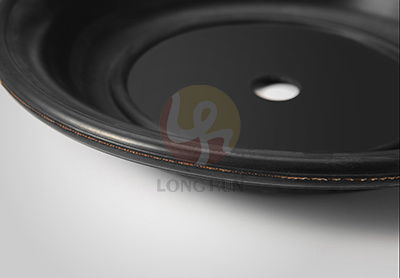
The rubber manufacturing sector is currently undergoing significant transformations, driven by the introduction of innovative materials and engineering techniques. Among these advancements, **fiber reinforced diaphragms** have emerged as a crucial component for enhancing the quality and performance of rubber products. These diaphragms serve as vital elements in various applications, providing improved strength, flexibility, and durability to rubber materials.
2. The Role of Fiber Reinforcement in Rubber Manufacturing
Fiber reinforcement plays a pivotal role in boosting the mechanical properties of rubber. It involves the integration of high-strength fibers into rubber compounds, resulting in composites that exhibit superior performance compared to traditional rubber materials.
2.1 Benefits of Fiber Reinforcement
Fiber reinforced diaphragms offer several advantages, including:
- **Enhanced Strength**: The addition of fibers significantly increases the tensile and compressive strength of rubber, making it suitable for high-load applications.
- **Improved Elasticity**: Reinforced diaphragms retain their flexibility while resisting deformation, ensuring longevity in performance.
- **Lightweight Construction**: Using advanced materials allows for lightweight designs without compromising structural integrity.
2.2 Types of Fibers Used in Diaphragms
Various fibers are employed in the production of diaphragms, including:
- **Glass Fibers**: Known for their excellent tensile strength and thermal stability.
- **Carbon Fibers**: Offer high stiffness and low weight, making them ideal for demanding applications.
- **Synthetic Fibers**: Such as aramid and nylon, provide resilience and flexibility.
3. Advances in Diaphragm Technology
The evolution of diaphragm technology is characterized by the development of new materials and manufacturing techniques that enhance the quality of rubber products.
3.1 New Materials and Their Properties
Innovations in material science have led to the creation of advanced composite fibers that enhance the performance of diaphragms. **Nanofillers** and bio-based fibers are gaining traction, providing unique properties such as improved thermal stability and lower environmental impact.
3.2 Manufacturing Techniques Enhancing Diaphragm Quality
Modern manufacturing processes, including **3D printing** and **composite molding**, allow for precise control over the properties of diaphragms, ensuring consistent quality and performance. These techniques enable the production of complex geometries, improving functionality and efficiency.
4. Performance Metrics of Fiber Reinforced Diaphragms
Assessing the performance of fiber reinforced diaphragms involves various metrics that determine their suitability for specific applications.
4.1 Durability and Longevity
Durability is a critical factor in the selection of diaphragms for rubber manufacturing. Fiber reinforced designs are engineered to withstand wear and fatigue over extended periods, reducing the need for frequent replacements.
4.2 Resistance to Environmental Factors
The ability of diaphragms to resist environmental factors such as UV radiation, humidity, and temperature variations is essential. Innovative materials and protective coatings contribute to durability in harsh conditions.
5. Applications in the Rubber Industry
Fiber reinforced diaphragms are versatile components utilized across various sectors of the rubber industry.
5.1 Automotive and Aerospace Industry Uses
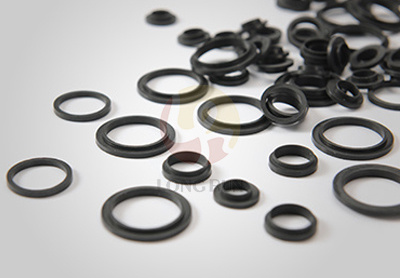
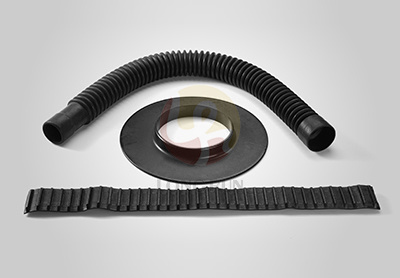
In the automotive sector, these diaphragms are used in **gaskets, seals, and hoses**, providing reliable performance in critical applications. Similarly, the aerospace industry utilizes advanced diaphragms for fuel systems and pneumatic controls due to their lightweight and high-strength properties.
5.2 Industrial Applications
Industrial sectors employ fiber reinforced diaphragms in machinery and equipment that require high-performance components, such as pumps and compressors, ensuring operational efficiency and reliability.
6. Sustainability and Environmental Impact
The rubber industry is increasingly focused on sustainable practices. The development of eco-friendly fiber reinforced diaphragms, made from renewable resources and designed for recyclability, reduces the environmental footprint of rubber manufacturing.
7. Future Trends in Fiber Reinforced Diaphragms
The future of fiber reinforced diaphragms in rubber manufacturing appears promising. Trends such as **smart materials** that can respond to environmental stimuli and advancements in bio-composite fibers are set to define the next generation of diaphragm technologies.
8. Frequently Asked Questions (FAQs)
**Q1: What are fiber reinforced diaphragms?**
A1: Fiber reinforced diaphragms are components made by integrating high-strength fibers into rubber, enhancing durability, strength, and flexibility.
**Q2: What types of fibers are commonly used?**
A2: Common fibers include glass, carbon, and synthetic materials like aramid and nylon.
**Q3: How do these diaphragms improve rubber manufacturing?**
A3: They enhance the mechanical properties of rubber, making it suitable for high-stress applications while ensuring longevity.
**Q4: Are there sustainable options for fiber reinforced diaphragms?**
A4: Yes, many manufacturers are developing eco-friendly diaphragms made from renewable materials and designed for recyclability.
**Q5: What industries benefit from fiber reinforced diaphragms?**
A5: Industries such as automotive, aerospace, and various industrial applications benefit significantly from the use of fiber reinforced diaphragms.
9. Conclusion
In summary, the innovations surrounding fiber reinforced diaphragms are transforming the rubber manufacturing landscape. With advancements in materials, manufacturing techniques, and a focus on sustainability, these diaphragms are setting new standards for performance and quality in the industry. As we move forward, embracing these innovations will be crucial for manufacturers seeking to enhance product offerings and meet the evolving demands of various markets. The future holds exciting possibilities for fiber reinforced diaphragms, and their role in rubber manufacturing will undoubtedly continue to grow.
Prev:
Related News
Innovations in Quality Fiber Reinforced Diaphragms for Enhanced Rubber Manufacturing
Innovations in Quality Fiber Reinforced Diaphragms for Enhanced Rubber Manufacturing Table of Contents 1. Introduction to Fiber Reinforced Diaphragms 2. The Role of Fiber Reinforcement in Rubber Manufacturing 2.1 Benefits of Fiber Reinforcement 2.2 Types of Fibers Used in Diaphragms 3. Advances in Diaphragm Technology 3.1 New Materials and Their Properties 3.2 Manufacturing Technique
Mar 04,2026
The Essential Guide to Rubber Bellows Manufacturers in the Automotive Industry
Rubber bellows are flexible, accordion-like structures made from elastomeric materials, primarily used to contain or protect mechanical components in various applications. In the automotive industry, they play a crucial role in ensuring the smooth operation of vehicles by providing protection against contaminants, accommodating movement, and absorbing vibrations. As a result, rubber bellows manufa
Mar 02,2026
How Viton O-Rings Enhance Automotive Safety Standards
How Viton O-Rings Enhance Automotive Safety Standards Introduction to Viton O-Rings in Automotive Applications In the ever-evolving automotive industry, safety standards are paramount. One often-overlooked component that plays a significant role in ensuring automotive safety is the **Viton** O-Ring. These high-performance elastomer seals are designed to withstand extreme conditions, making them
Feb 28,2026
Exploring the Versatility of Industrial Use Rubber Bonded Metal Products
Industrial use rubber bonded metal products are vital components in many sectors, particularly in the chemical and rubber industries. These products combine the strength of metal with the flexibility of rubber, creating a unique solution for various applications. This synergy of materials results in products that offer excellent durability, resistance to chemicals, and enhanced performance. One of
Feb 26,2026
Top Benefits of Using Customized Molded Rubber Balls in Your Projects
Top Benefits of Using Customized Molded Rubber Balls in Your Projects Introduction to Customized Molded Rubber Balls In the realm of industrial applications, **customized molded rubber balls** stand out as versatile components that can significantly enhance the efficiency and effectiveness of a wide array of projects. From manufacturing to product design, these rubber balls offer unique benefits t
Feb 24,2026

Add: Building # 7, No. 27, Songbai Ling Avenue, Zhonghan Huizhou Industrial Park, Zhongkai High-tech Zone, Huizhou, Guangdong, China 516032

LONGRUN
Privacy Policy | SEO | Support: 300.cn