


Understanding the Role and Importance of Rubber Bellows in Automotive Applications
Publish:
2026-03-22


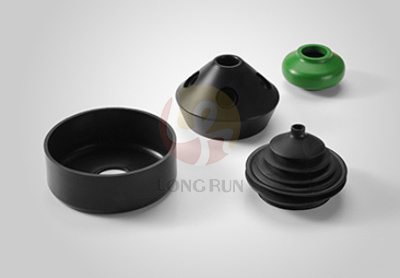
Rubber bellows are essential components in the automotive industry, particularly in the manufacturing of vehicles and their parts. These flexible, tubular structures are designed to accommodate movement, absorb shocks, and protect sensitive components from environmental factors like dirt, moisture, and other contaminants. As a rubber bellows manufacturer, understanding the intricacies of these com
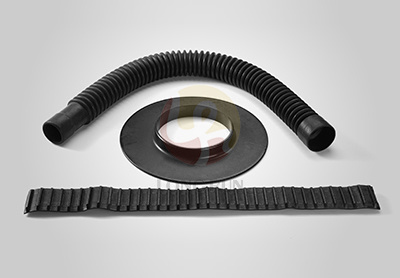
Rubber bellows are essential components in the automotive industry, particularly in the manufacturing of vehicles and their parts. These flexible, tubular structures are designed to accommodate movement, absorb shocks, and protect sensitive components from environmental factors like dirt, moisture, and other contaminants. As a rubber bellows manufacturer, understanding the intricacies of these components can significantly enhance your product offerings and meet the evolving needs of the automotive sector.
One of the primary roles of rubber bellows is to provide a flexible connection between two parts. In the automotive context, they are commonly found in areas that experience relative motion, such as in suspension systems, steering mechanisms, and engine assemblies. Their design allows them to flex and compress while maintaining a seal, ensuring that critical areas remain protected from external elements.
The manufacturing process of rubber bellows involves several key steps to ensure durability and functionality. High-quality rubber compounds are selected based on their specific properties such as elasticity, temperature resistance, and chemical stability. The production often employs advanced techniques including molding and extrusion, allowing for the creation of bellows in various shapes and sizes tailored to specific automotive applications. Quality control measures during the manufacturing process are critical to ensure that each bellows meets stringent industry standards, which can include pressure testing and environmental testing.
The benefits of using rubber bellows in automotive applications are manifold. Their ability to absorb vibrations and shocks contributes to a smoother ride, enhancing the overall driving experience. Additionally, they serve as protective barriers, preventing contaminants from entering sensitive areas, which can prolong the lifespan of components and reduce maintenance costs over time. This protective feature is particularly crucial in harsh environments where exposure to dirt and moisture can lead to significant damage.
Moreover, rubber bellows can also play a role in fluid transfer within automotive systems. They can effectively seal and convey fluids while accommodating movement, which is vital in systems like brakes and cooling. This dual functionality of providing protection and facilitating movement is what makes them a preferred choice among automotive manufacturers.
In conclusion, rubber bellows are a vital element in the automotive industry, serving both protective and functional purposes. As a rubber bellows manufacturer, focusing on quality, innovation, and understanding the specific demands of your customers can help you stay competitive in this dynamic market. By investing in advanced manufacturing techniques and materials, you can create reliable and efficient rubber bellows that meet the high standards of today's automotive applications.
One of the primary roles of rubber bellows is to provide a flexible connection between two parts. In the automotive context, they are commonly found in areas that experience relative motion, such as in suspension systems, steering mechanisms, and engine assemblies. Their design allows them to flex and compress while maintaining a seal, ensuring that critical areas remain protected from external elements.
The manufacturing process of rubber bellows involves several key steps to ensure durability and functionality. High-quality rubber compounds are selected based on their specific properties such as elasticity, temperature resistance, and chemical stability. The production often employs advanced techniques including molding and extrusion, allowing for the creation of bellows in various shapes and sizes tailored to specific automotive applications. Quality control measures during the manufacturing process are critical to ensure that each bellows meets stringent industry standards, which can include pressure testing and environmental testing.
The benefits of using rubber bellows in automotive applications are manifold. Their ability to absorb vibrations and shocks contributes to a smoother ride, enhancing the overall driving experience. Additionally, they serve as protective barriers, preventing contaminants from entering sensitive areas, which can prolong the lifespan of components and reduce maintenance costs over time. This protective feature is particularly crucial in harsh environments where exposure to dirt and moisture can lead to significant damage.
Moreover, rubber bellows can also play a role in fluid transfer within automotive systems. They can effectively seal and convey fluids while accommodating movement, which is vital in systems like brakes and cooling. This dual functionality of providing protection and facilitating movement is what makes them a preferred choice among automotive manufacturers.
In conclusion, rubber bellows are a vital element in the automotive industry, serving both protective and functional purposes. As a rubber bellows manufacturer, focusing on quality, innovation, and understanding the specific demands of your customers can help you stay competitive in this dynamic market. By investing in advanced manufacturing techniques and materials, you can create reliable and efficient rubber bellows that meet the high standards of today's automotive applications.
Related News
The Science Behind Rubber Balls: How They Bounce and Why It Matters
The Science Behind Rubber Balls: How They Bounce and Why It Matters Table of Contents 1. Introduction to Rubber Balls 2. The Material Properties of Rubber 3. How Rubber Balls Achieve Bounce 4. Manufacturing Processes of Rubber Balls 5. Applications of Rubber Balls in Sports 6. The Impact of Rubber Balls on Performance 7. Environmental Considerations in Rubber Ball Prod
Sep 18,2026
Understanding Rubber Flexible Connectors: Essential Components in the Chemical Industry
Rubber flexible connectors are essential components in the chemical industry, designed to absorb vibration, accommodate misalignment, and reduce stress on piping systems. These connectors are typically made from high-quality rubber materials, which provide them with the flexibility and resilience required for dynamic environments. Unlike rigid connections, rubber flexible connectors can adapt to c
Sep 15,2026
How Rubber Bonded Metal Products Enhance Durability and Performance in Industrial Applications
How Rubber Bonded Metal Products Enhance Durability and Performance in Industrial Applications Table of Contents 1. Introduction to Rubber Bonded Metal Products 2. What are Rubber Bonded Metal Products? 3. Key Benefits of Rubber Bonded Metal Products 4. Applications of Rubber Bonded Metal Products 5. Manufacturing Processes and Techniques 6. Enhancing Performance with Rubb
Sep 12,2026
The Essential Guide to Viton O Rings: Advantages and Applications in the Chemical Industry
Viton O rings are a type of elastomeric sealing solution that are widely used in various industries, particularly within the chemical sector due to their impressive resistance to extreme temperatures and aggressive chemicals. Composed of a fluoropolymer, Viton is renowned for its durability and high-performance characteristics, making it a preferred choice in applications where standard rubber may
Sep 09,2026
Exploring the Versatility of Molded Rubber Balls in Everyday Applications
Exploring the Versatility of Molded Rubber Balls in Everyday Applications Table of Contents Introduction to Molded Rubber Balls What Are Molded Rubber Balls? The Manufacturing Process of Molded Rubber Balls Benefits of Molded Rubber Balls Applications in Industrial Settings Recreational Uses of Molded Rubber Balls Environmental Impact and Sustainability Frequently
Sep 06,2026

Add: Building # 7, No. 27, Songbai Ling Avenue, Zhonghan Huizhou Industrial Park, Zhongkai High-tech Zone, Huizhou, Guangdong, China 516032

LONGRUN
Privacy Policy | SEO | Support: 300.cn