
Maximizing Durability: The Role of Viton O-Rings in Vehicle Systems
Publish:
2026-03-20


Maximizing Durability: The Role of Viton O-Rings in Vehicle Systems
Table of Contents
1. Introduction to Viton O-Rings
2. What Are Viton O-Rings?
3. Advantages of Using Viton O-Rings in Vehicles
4. Applications of Viton O-Rings in Automotive Systems
5. Comparing Viton with Other O-Ring Materials
6. Installation and Maintenance of Viton O-Rings
7. Common Issues with O-R
Maximizing Durability: The Role of Viton O-Rings in Vehicle Systems
Table of Contents
- 1. Introduction to Viton O-Rings
- 2. What Are Viton O-Rings?
- 3. Advantages of Using Viton O-Rings in Vehicles
- 4. Applications of Viton O-Rings in Automotive Systems
- 5. Comparing Viton with Other O-Ring Materials
- 6. Installation and Maintenance of Viton O-Rings
- 7. Common Issues with O-Rings and Solutions
- 8. Frequently Asked Questions (FAQs)
- 9. Conclusion
1. Introduction to Viton O-Rings
In the world of automotive engineering, **maximizing durability** is not just a goal; it is a necessity. One vital component that plays a significant role in achieving this is the **Viton O-Ring**. These specialized seals are essential in various vehicle systems, ensuring that they operate smoothly and efficiently under challenging conditions. As we delve into the properties, advantages, and applications of Viton O-Rings, the importance of selecting the right materials for automotive systems becomes evident.
2. What Are Viton O-Rings?
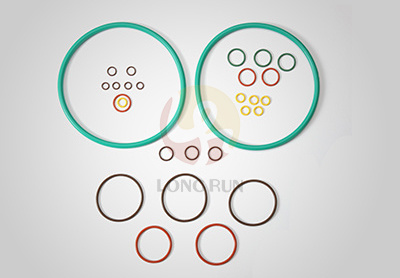
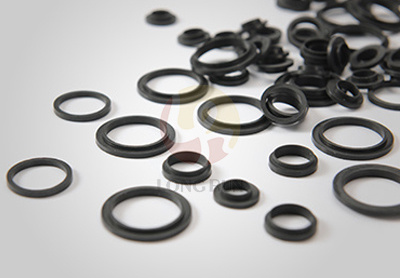
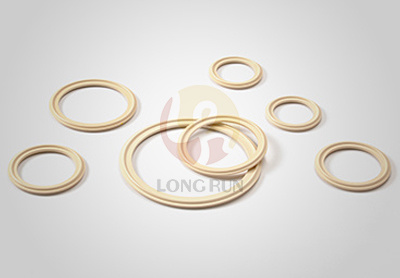
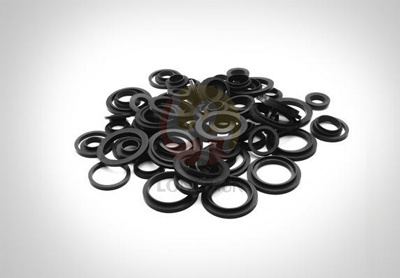
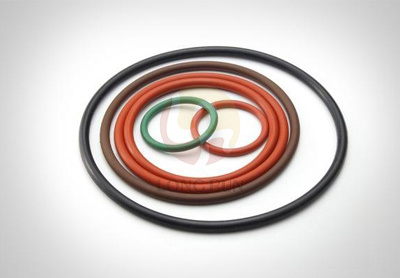
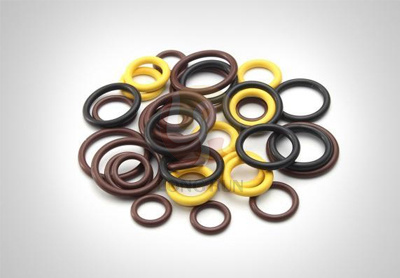
Viton O-Rings are made from a type of synthetic rubber known as **fluoroelastomer**. Characterized by their exceptional resistance to heat, chemicals, and environmental factors, Viton O-Rings are designed to provide reliable sealing solutions. Unlike traditional rubber materials, Viton can withstand extreme temperatures, making it suitable for demanding automotive applications.
Key Characteristics of Viton O-Rings
- **Temperature Resistance**: Viton withstands temperatures ranging from -20°F to +400°F (-29°C to +204°C).
- **Chemical Resistance**: It offers superior resistance to oils, fuels, and a wide range of chemicals.
- **Durability**: The material is highly durable, providing a long service life in automotive applications.
3. Advantages of Using Viton O-Rings in Vehicles
The use of Viton O-Rings in automotive systems presents numerous advantages that contribute to overall vehicle performance and reliability.
Enhanced Performance
Viton O-Rings ensure a tight seal, preventing leaks and maintaining pressure within systems. This is particularly crucial in fuel and hydraulic systems, where even minor leaks can lead to significant issues.
Longevity and Cost Efficiency
While Viton O-Rings may come at a higher initial cost compared to standard rubber O-Rings, their durability and longevity lead to cost savings over time. Fewer replacements reduce maintenance costs and enhance vehicle reliability.
Improved Safety
In vehicles, safety is paramount. The robust sealing capabilities of Viton O-Rings prevent hazardous leaks, particularly in fuel systems, enhancing overall vehicle safety.
4. Applications of Viton O-Rings in Automotive Systems
Viton O-Rings find applications in various automotive systems, playing critical roles in ensuring efficiency and safety.
Fuel Systems
In fuel systems, Viton O-Rings prevent leaks and maintain pressure, ensuring optimal fuel delivery and engine performance. They resist the corrosive effects of fuels and additives, enhancing longevity.
Hydraulic Systems
Hydraulic systems rely heavily on effective sealing to maintain pressure and prevent leaks. Viton O-Rings provide the necessary sealing properties to ensure efficient hydraulic operation, leading to improved vehicle performance.
Cooling Systems
Viton O-Rings are also used in cooling systems, where their temperature resistance helps maintain efficient engine temperatures. They provide secure seals in water pumps and thermostats, critical for engine performance.
5. Comparing Viton with Other O-Ring Materials
To fully appreciate the advantages of Viton O-Rings, it is essential to compare them with other common O-Ring materials.
Viton vs. Nitrile (Buna-N)
Nitrile O-Rings are widely used due to their cost-effectiveness and decent fuel resistance. However, they cannot match the temperature and chemical resistance of Viton O-Rings, making Viton the superior choice for high-performance applications.
Viton vs. Silicone
Silicone O-Rings offer excellent temperature resistance but lack the chemical resilience of Viton. For applications involving aggressive fluids and high temperatures, Viton is often the preferred material.
6. Installation and Maintenance of Viton O-Rings
Proper installation and maintenance of Viton O-Rings are crucial for optimal performance.
Installation Guidelines
- **Surface Preparation**: Ensure that mating surfaces are clean and free from debris.
- **Lubrication**: Use compatible lubricants during installation to prevent damage.
- **Correct Sizing**: Ensure that O-Rings are appropriately sized to prevent deformation.
Maintenance Tips
Regular inspection of O-Rings for wear and damage is vital. Replace any O-Rings that show signs of degradation to maintain system integrity.
7. Common Issues with O-Rings and Solutions
Despite their durability, several issues can arise with O-Rings, including wear, swelling, and extrusion.
Wear and Tear
Over time, O-Rings may wear down due to constant movement and exposure. Regular inspections and timely replacement can mitigate this issue.
Swelling Due to Chemical Exposure
Exposure to certain chemicals can cause O-Rings to swell or degrade. Using Viton O-Rings can reduce this risk, as they are designed to withstand a wider range of chemicals.
8. Frequently Asked Questions (FAQs)
What are Viton O-Rings made of?
Viton O-Rings are made from fluoropolymer elastomers, providing excellent heat and chemical resistance.
Can Viton O-Rings be used in high-temperature applications?
Yes, Viton O-Rings can withstand temperatures up to 400°F (204°C), making them suitable for high-temperature applications.
How do I know if my O-Rings need replacing?
Signs of wear, such as cracks, deformation, or leaks, indicate that O-Rings should be replaced.
Are Viton O-Rings more expensive than other materials?
Yes, while they have a higher initial cost, their durability leads to cost savings over time due to fewer replacements.
Where can I purchase Viton O-Rings?
Viton O-Rings can be purchased from various industrial suppliers and automotive parts retailers.
9. Conclusion
Viton O-Rings are an invaluable component in ensuring the durability and reliability of vehicle systems. Their unique properties, including temperature and chemical resistance, make them the preferred choice for automotive applications. By investing in Viton O-Rings, manufacturers and vehicle owners can maximize performance, enhance safety, and ultimately save costs through reduced maintenance and longer service life. Embracing the superior qualities of Viton O-Rings is a step towards achieving unparalleled durability in vehicle systems.
Prev:
Related News
Maximizing Durability: The Role of Viton O-Rings in Vehicle Systems
Maximizing Durability: The Role of Viton O-Rings in Vehicle Systems Table of Contents 1. Introduction to Viton O-Rings 2. What Are Viton O-Rings? 3. Advantages of Using Viton O-Rings in Vehicles 4. Applications of Viton O-Rings in Automotive Systems 5. Comparing Viton with Other O-Ring Materials 6. Installation and Maintenance of Viton O-Rings 7. Common Issues with O-R
Mar 20,2026
Exploring the Versatility of Industrial Use Rubber Bonded Metal Products
In the realm of industrial manufacturing, rubber bonded metal products play a pivotal role in enhancing performance and durability. These composite materials blend the resilience of rubber with the structural integrity of metal, making them an ideal choice for a variety of applications. Particularly in the chemical industry, where exposure to harsh environments is common, the unique properties of
Mar 18,2026
A Comprehensive Guide to Customized Molded Rubber Balls: Essential Insights for Beginners
A Comprehensive Guide to Customized Molded Rubber Balls: Essential Insights for Beginners Customized molded rubber balls represent a unique fusion of engineering, design, and functionality. Whether you are an entrepreneur looking to invest in rubber products or simply someone interested in understanding the intricacies of rubber ball manufacturing, this guide is crafted to provide you with the kno
Mar 16,2026
Fiber reinforced diaphragms are essential components in various engineering applications, particularly within the chemical and rubber industries. These diaphragms are designed to provide durability and flexibility, making them ideal for use in a range of environments where strength and resilience are paramount. The incorporation of fibers into the diaphragm material enhances its mechanical propert
Mar 14,2026
How to Identify a Trustworthy Rubber Bellows Manufacturer
How to Identify a Trustworthy Rubber Bellows Manufacturer Table of Contents 1. Introduction 2. Understanding Rubber Bellows 3. Importance of Quality in Manufacturing Rubber Bellows 4. Key Attributes of a Reputable Rubber Bellows Manufacturer 4.1 Certifications and Industry Standards 4.2 Experience and Expertise 4.3 Customer Service
Mar 12,2026

Add: Building # 7, No. 27, Songbai Ling Avenue, Zhonghan Huizhou Industrial Park, Zhongkai High-tech Zone, Huizhou, Guangdong, China 516032

LONGRUN
Privacy Policy | SEO | Support: 300.cn