



The Advantages of Tailored Rubber Bellows Solutions for Your Automotive Applications
Publish:
2026-04-01


The Advantages of Tailored Rubber Bellows Solutions for Your Automotive Applications
Table of Contents
Introduction to Custom Rubber Bellows
What Are Rubber Bellows?
The Importance of Customization in Automotive Applications
Key Benefits of Custom Rubber Bellows Solutions
1. Enhanced Durability
2. Superior Flexibility
3. Cost-Effectiven
The Advantages of Tailored Rubber Bellows Solutions for Your Automotive Applications
Table of Contents
- Introduction to Custom Rubber Bellows
- What Are Rubber Bellows?
- The Importance of Customization in Automotive Applications
- Key Benefits of Custom Rubber Bellows Solutions
- 1. Enhanced Durability
- 2. Superior Flexibility
- 3. Cost-Effectiveness and Efficiency
- 4. Design Compatibility
- 5. Improved Performance
- Applications of Rubber Bellows in the Automotive Industry
- Choosing the Right Manufacturer for Custom Rubber Bellows
- Maintenance and Care of Rubber Bellows
- Conclusion
- FAQs
Introduction to Custom Rubber Bellows
In the ever-evolving automotive industry, the need for reliable components is paramount. **Custom rubber bellows** have emerged as critical solutions for numerous applications, ranging from protecting mechanical parts to enhancing flexibility. These specially designed components adapt precisely to the requirements of various automotive systems, ensuring durability and functionality under challenging conditions.
What Are Rubber Bellows?
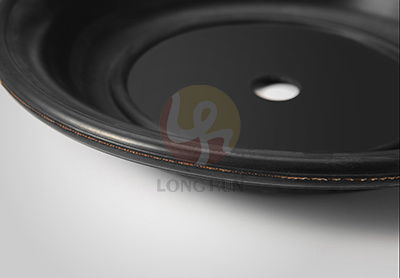
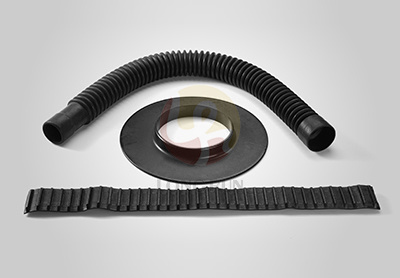
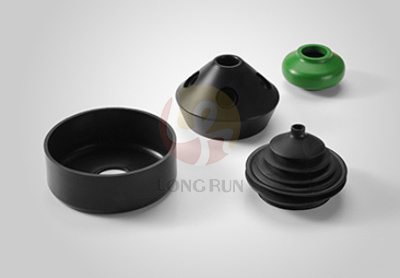
Rubber bellows are **flexible, expandable components** made from durable rubber materials. They serve as protective coverings for joints and mechanical parts, accommodating movement while shielding against dust, moisture, and other environmental factors. Their design allows for a range of motion, making them essential in automotive applications where flexibility and protection are crucial.
The Importance of Customization in Automotive Applications
The automotive industry operates on precision and reliability. **Custom solutions** are vital for addressing unique specifications and performance requirements. By opting for tailored rubber bellows, manufacturers can ensure that the products are perfectly suited for specific vehicles and applications, enhancing overall functionality and longevity.
Key Benefits of Custom Rubber Bellows Solutions
1. Enhanced Durability
One of the primary advantages of custom rubber bellows is their **enhanced durability**. Standard components may not withstand the harsh conditions present in automotive environments. Tailored solutions, on the other hand, are designed with specific materials and manufacturing processes that increase resilience. They resist wear, abrasion, and environmental stressors, ensuring long-lasting performance.
2. Superior Flexibility
**Flexibility** is another hallmark of custom rubber bellows. Their ability to compress and expand makes them ideal for applications where movement is essential. This flexibility not only prevents mechanical failure but also contributes to smoother operations within the vehicle. By accommodating various motions without compromising performance, custom bellows enhance the overall driving experience.
3. Cost-Effectiveness and Efficiency
While some may perceive custom solutions as more expensive, they are often more **cost-effective** in the long run. By reducing the risk of premature failure and the associated costs of repairs or replacements, custom rubber bellows can lead to significant savings. Additionally, their efficiency in performance can enhance fuel economy and reduce maintenance costs, making them a wise investment for automotive manufacturers.
4. Design Compatibility
Custom rubber bellows can be designed to fit seamlessly with existing components. This **design compatibility** ensures that they work effectively within the specified systems, minimizing installation challenges and optimizing performance. By collaborating with manufacturers, automotive companies can achieve precise fits, leading to improved overall system efficiency.
5. Improved Performance
With custom rubber bellows, the overall **performance** of automotive systems can significantly improve. These components are engineered to meet specific operational demands, resulting in better handling, reliability, and safety. When integrated into various systems—such as suspension, steering, and exhaust—custom bellows contribute to a smoother and more responsive driving experience.
Applications of Rubber Bellows in the Automotive Industry
Rubber bellows find applications in various automotive systems. They are commonly used in:
- **Suspension Systems**: Providing flexibility and protection to shocks and struts.
- **Steering Mechanisms**: Ensuring smooth operation while protecting sensitive components.
- **Exhaust Systems**: Absorbing vibrations and accommodating movement to reduce noise.
- **Engine Parts**: Sealing and protecting against contaminants in critical engine functions.
The versatility of rubber bellows allows them to be tailored for countless automotive applications, making them indispensable in enhancing vehicle performance.
Choosing the Right Manufacturer for Custom Rubber Bellows
Selecting the right manufacturer is crucial to obtaining high-quality custom rubber bellows. Look for a company with:
1. **Experience**: A proven track record in producing tailored rubber solutions for the automotive industry.
2. **Quality Assurance**: Rigorous quality control processes to ensure durability and performance.
3. **Customization Capabilities**: The ability to work closely with clients to design specific solutions.
4. **Material Expertise**: Knowledge of various rubber materials suited for different applications.
5. **Customer Support**: Excellent after-sales service and support.
By prioritizing these factors, automotive companies can find a reliable partner to provide custom rubber bellows that meet their needs.
Maintenance and Care of Rubber Bellows
To maximize the lifespan of rubber bellows, proper maintenance is essential. Regular inspections can help identify wear and tear early. It's advisable to:
- **Clean** the bellows periodically to remove dirt and debris.
- **Check for cracks or signs of wear**, replacing any damaged components promptly.
- **Ensure proper installation**, preventing stress and misalignment.
By adhering to these maintenance practices, automotive companies can prolong the life of their rubber bellows and maintain optimal system performance.
Conclusion
Custom rubber bellows are integral to enhancing automotive performance and reliability. Their durability, flexibility, cost-effectiveness, and design compatibility make them indispensable components in various automotive applications. Investing in tailored solutions not only addresses unique requirements but also contributes to the overall efficiency and longevity of automotive systems. By choosing the right manufacturer and committing to proper maintenance, automotive companies can harness the full potential of custom rubber bellows, ensuring a superior driving experience.
FAQs
What are the primary materials used in custom rubber bellows?
The most common materials include silicone, neoprene, EPDM, and nitrile rubber, each offering unique properties suited for different applications.
How do I know if I need custom rubber bellows?
If standard options fail to meet performance requirements or fit specific design criteria, custom rubber bellows may be the ideal solution.
What is the typical lifespan of rubber bellows?
The lifespan varies based on usage, environmental conditions, and material quality, but proper maintenance can extend their functional life significantly.
Can custom rubber bellows be repaired?
While some minor damages can be repaired, it is often more cost-effective and reliable to replace damaged bellows with new custom solutions.
How do I choose the right manufacturer for custom rubber bellows?
Consider factors such as experience, quality assurance processes, customization capabilities, material expertise, and customer support when selecting a manufacturer.
Related News
The Versatile World of Rubber Bonded Metal Products
Rubber bonded metal products represent a fascinating intersection of materials science and engineering, combining the flexibility and resilience of rubber with the strength and durability of metal. This unique pairing allows for the creation of products that are not only robust but also capable of absorbing shock, reducing vibrations, and providing a reliable seal against environmental factors. On
Sep 27,2026
Comparing Viton O Rings to Silicone: Which Material Reigns Supreme?
Comparing Viton O Rings to Silicone: Which Material Reigns Supreme? Table of Contents 1. Introduction to O Rings and Their Importance 2. What Are Viton O Rings? 3. What Are Silicone O Rings? 4. Key Differences Between Viton and Silicone O Rings 5. Performance in High Temperatures 6. Chemical Resistance: A Critical Comparison 7. Applications of Viton O Rings 8. Appl
Sep 24,2026
Understanding Molded Rubber Balls: Applications, Benefits, and Manufacturing Process
Molded rubber balls are manufactured from elastomeric materials, which are engineered to provide elasticity, resilience, and durability. These properties make them suitable for a variety of applications, ranging from industrial uses to consumer products. The molding process involves heating rubber compounds in a mold, allowing them to take on specific shapes while curing to achieve the desired str
Sep 21,2026
The Science Behind Rubber Balls: How They Bounce and Why It Matters
The Science Behind Rubber Balls: How They Bounce and Why It Matters Table of Contents 1. Introduction to Rubber Balls 2. The Material Properties of Rubber 3. How Rubber Balls Achieve Bounce 4. Manufacturing Processes of Rubber Balls 5. Applications of Rubber Balls in Sports 6. The Impact of Rubber Balls on Performance 7. Environmental Considerations in Rubber Ball Prod
Sep 18,2026
Understanding Rubber Flexible Connectors: Essential Components in the Chemical Industry
Rubber flexible connectors are essential components in the chemical industry, designed to absorb vibration, accommodate misalignment, and reduce stress on piping systems. These connectors are typically made from high-quality rubber materials, which provide them with the flexibility and resilience required for dynamic environments. Unlike rigid connections, rubber flexible connectors can adapt to c
Sep 15,2026

Add: Building # 7, No. 27, Songbai Ling Avenue, Zhonghan Huizhou Industrial Park, Zhongkai High-tech Zone, Huizhou, Guangdong, China 516032

LONGRUN
Privacy Policy | SEO | Support: 300.cn