


Exploring the Role of Viton O-Rings in the Automotive Industry
Publish:
2026-03-30


Viton O-rings are a critical component in the automotive industry, known for their exceptional resistance to heat, chemicals, and wear. Made from a type of fluoropolymer, these O-rings have set a high standard for sealing solutions due to their durability and reliability in harsh environments. Automotive applications often expose components to extreme temperatures, aggressive fluids, and varying p
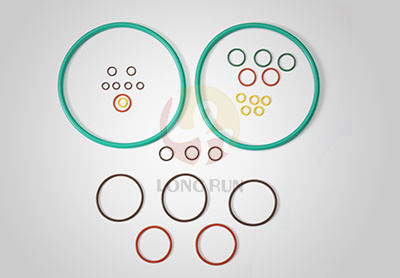
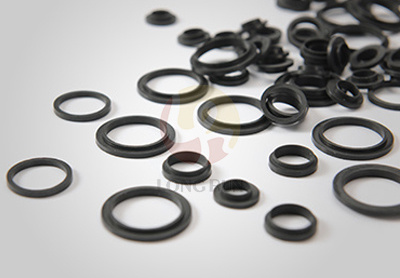
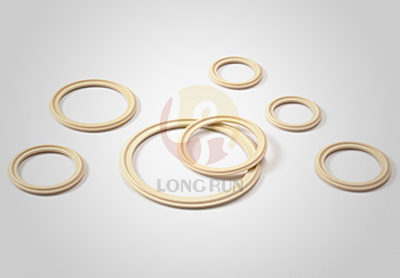
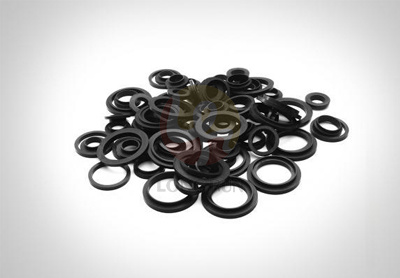
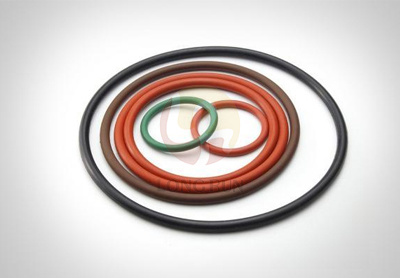
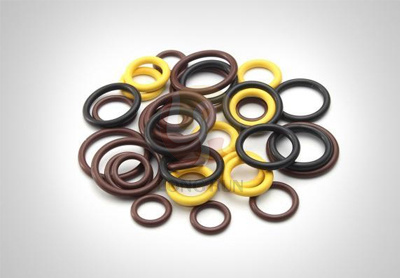
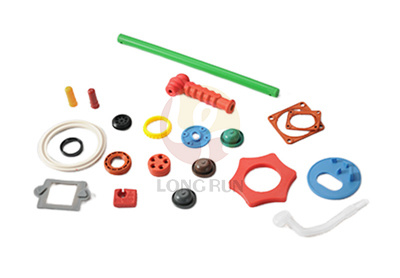
Viton O-rings are a critical component in the automotive industry, known for their exceptional resistance to heat, chemicals, and wear. Made from a type of fluoropolymer, these O-rings have set a high standard for sealing solutions due to their durability and reliability in harsh environments. Automotive applications often expose components to extreme temperatures, aggressive fluids, and varying pressures, making the choice of sealing material crucial for performance and safety.
One of the primary advantages of Viton O-rings is their remarkable thermal stability. They can withstand temperatures ranging from -15°F to 400°F (-26°C to 204°C), allowing them to perform effectively in diverse conditions. This property is particularly beneficial in automotive applications, where engine components, transmission systems, and fuel systems can experience significant temperature fluctuations. By maintaining their integrity under such conditions, Viton O-rings contribute to the overall efficiency and longevity of vehicles.
Additionally, Viton O-rings exhibit excellent chemical resistance, making them suitable for use with various automotive fluids, including fuels, oils, and coolants. Many conventional rubber materials can deteriorate when exposed to such chemicals, leading to leaks and failures. However, Viton’s resilience ensures that these O-rings maintain their sealing properties, reducing the risk of fluid leaks that can compromise vehicle safety and performance.
In the context of assembly and maintenance, the flexibility of Viton O-rings allows for easy installation and replacement, which can be a significant advantage in automotive manufacturing and service environments. Their compatibility with standard O-ring grooves ensures that they fit seamlessly into existing designs, minimizing downtime and simplifying maintenance procedures.
Furthermore, the use of Viton O-rings can also enhance the overall safety of automotive systems. By providing reliable seals that prevent fluid leakage, they help maintain optimal pressure levels within systems. This reliability is vital in applications such as brake systems, where even minor leaks can lead to significant safety hazards.
In conclusion, Viton O-rings play an indispensable role in the automotive industry, offering superior performance characteristics that enhance vehicle reliability and safety. Their thermal and chemical resistance, along with ease of installation, makes them a preferred choice for automotive engineers and manufacturers. Understanding the benefits of these O-rings can inform better design and maintenance practices, ultimately contributing to the advancement of automotive technology.
Related News
Understanding Rubber Flexible Connectors: Essential Components for Chemical Applications
Rubber flexible connectors are vital components in various industrial applications, particularly within the chemical sector. These specialized connectors are designed to accommodate movement, vibrations, and misalignments between two systems, ensuring secure and reliable connections. Their unique properties make them ideal for handling the rigors of chemical processing, where flexibility, durabili
Nov 10,2026
The Role of Rubber Bonded Metal Products in Improving Industrial Efficiency
The Role of Rubber Bonded Metal Products in Improving Industrial Efficiency Table of Contents Introduction Understanding Rubber Bonded Metal Products Historical Development of Rubber Bonded Metal Technology Benefits of Rubber Bonded Metal Products Applications in Industrial Settings Impact on Industrial Efficiency Future Trends and Innovations Frequently Asked Ques
Oct 12,2026
The Essential Guide to Viton O-Rings: Key Benefits and Applications
Viton O-rings are vital components in various industrial applications, particularly in the chemical and rubber products sector. Known for their exceptional performance, these O-rings are made from a type of fluoroelastomer that exhibits remarkable resistance to heat, chemicals, and aging. This unique combination of properties makes Viton O-rings an ideal choice for demanding environments where tra
Oct 09,2026
The Benefits of Choosing Molded Rubber Balls Over Traditional Alternatives
The Benefits of Choosing Molded Rubber Balls Over Traditional Alternatives Table of Contents Introduction Understanding Molded Rubber Balls Advantages of Molded Rubber Balls Durability and Longevity Cost Efficiency Customizability Versatility in Applications Environmental Impact Comparison with Traditional Alternatives Selection Criteria for Molded Ru
Oct 06,2026
Unlocking the Versatility of Rubber Balls in the Chemical Industry
Rubber balls are a remarkable example of how a simple concept can manifest in numerous applications within the chemical sector and beyond. Their versatility makes them an essential component in various industries, including manufacturing, automotive, and sports. Understanding the properties and potential uses of rubber balls can empower businesses to harness their capabilities effectively. First a
Oct 03,2026

Add: Building # 7, No. 27, Songbai Ling Avenue, Zhonghan Huizhou Industrial Park, Zhongkai High-tech Zone, Huizhou, Guangdong, China 516032

LONGRUN
Privacy Policy | SEO | Support: 300.cn