


A Comprehensive Guide to Rubber Bonded Metal Products for Chemical Applications
Publish:
2026-03-28


A Comprehensive Guide to Rubber Bonded Metal Products for Chemical Applications
Table of Contents
1. Introduction to Rubber Bonded Metal Products
2. What Are Rubber Bonded Metal Products?
3. Manufacturing Process of Rubber Bonded Metals
4. Advantages of Rubber Bonded Metal Products
5. Applications in Chemical Industries
6. How to Choose the Right Product
A Comprehensive Guide to Rubber Bonded Metal Products for Chemical Applications
Table of Contents
- 1. Introduction to Rubber Bonded Metal Products
- 2. What Are Rubber Bonded Metal Products?
- 3. Manufacturing Process of Rubber Bonded Metals
- 4. Advantages of Rubber Bonded Metal Products
- 5. Applications in Chemical Industries
- 6. How to Choose the Right Product
- 7. Challenges in Using Rubber Bonded Metals
- 8. Maintenance and Care Tips
- 9. Frequently Asked Questions
- 10. Conclusion
1. Introduction to Rubber Bonded Metal Products
Rubber bonded metal products represent a significant advancement in material science, particularly in applications requiring durability in harsh environments. These products comprise a core of metal, typically steel or aluminum, integrated with a layer of rubber. This combination provides enhanced properties, making them ideal for various industrial applications, especially in the chemical sector. As industries strive for higher performance and sustainability, understanding the functionality and advantages of these products becomes crucial.
2. What Are Rubber Bonded Metal Products?
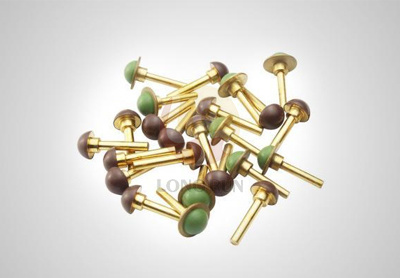
Rubber bonded metal products are composite materials that combine the mechanical strength of metals with the elasticity and corrosion resistance of rubber. The rubber layer is chemically bonded to the metal substrate, ensuring a robust interface that can withstand thermal expansion, vibration, and environmental stressors.
Types of Rubber Used
Different types of rubber are used in these products, including:
- **Natural Rubber**: Known for its excellent resilience and flexibility.
- **Neoprene**: Offers good chemical resistance and durability.
- **EPDM (Ethylene Propylene Diene Monomer)**: Withstands harsh weather conditions and ozone.
- **Nitrile**: Excellent for oil resistance, making it ideal for specific chemical environments.
3. Manufacturing Process of Rubber Bonded Metals
The manufacturing process for rubber bonded metal products typically involves several stages to ensure a strong bond and optimal performance.
Preparation of Substrates
The metal surface undergoes a thorough cleaning process to remove any contaminants, which could weaken the bond. This can involve sandblasting, chemical cleaning, or mechanical abrasion.
Bonding Techniques
Various techniques are employed to bond rubber to metal, including:
- **Compression Molding**: The rubber is placed in a mold with the metal part and heated to form a bond.
- **Transfer Molding**: Similar to compression molding but involves transferring rubber into a heated mold.
- **Injection Molding**: Liquid rubber is injected into a mold containing the metal part, allowing for complex shapes and designs.
Curing Process
Curing is a critical step that involves heating the rubber material to facilitate chemical cross-linking. This enhances the rubber's physical properties, making it more durable and resistant to chemicals and heat.
4. Advantages of Rubber Bonded Metal Products
Rubber bonded metal products offer numerous advantages, making them increasingly popular in industrial applications:
Enhanced Durability
The combination of rubber and metal results in a product that can withstand significant wear and tear, making it suitable for challenging environments.
Vibration Absorption
These products effectively absorb vibrations, which can reduce noise and prolong the lifespan of machinery and equipment.
Corrosion Resistance
Rubber provides an additional layer of protection against corrosive chemicals, thereby extending the service life of the metal components.
Thermal Stability
Rubber bonded metal products maintain their properties under varying temperature conditions, essential for applications involving heat exposure.
Cost-Effectiveness
While the initial investment may be higher, the longevity and reduced maintenance needs of these products can lead to substantial cost savings over time.
5. Applications in Chemical Industries
Rubber bonded metal products are utilized across various sectors within the chemical industry:
Pumps and Valves
These products are commonly found in pumps and valves, where they help seal and protect components from corrosive fluids and gases.
Tanks and Containers
In chemical storage tanks, rubber bonded metals provide a reliable barrier against leaks and corrosion, ensuring safe containment of hazardous materials.
Conveyors and Hoses
Conveyor systems and hoses that transport chemicals benefit from the durability and flexibility of rubber bonded metal products, ensuring smooth and safe operation.
Heat Exchangers
In heat exchangers, these products can withstand thermal cycling and corrosion, ensuring efficient heat transfer in chemical processes.
6. How to Choose the Right Product
Selecting the appropriate rubber bonded metal product requires careful consideration of several factors:
Understanding the Application Requirements
Determine the specific requirements of your application, including temperature ranges, chemical exposure, and mechanical loads.
Material Compatibility
Ensure that both the rubber and metal materials are compatible with the chemicals they will encounter to avoid degradation.
Performance Standards
Look for products that meet relevant industry standards and certifications, ensuring reliability and safety.
Manufacturer Reputation
Choose products from reputable manufacturers known for their quality and adherence to industry standards.
7. Challenges in Using Rubber Bonded Metals
While rubber bonded metal products offer numerous advantages, there are challenges to consider:
Bonding Issues
Inconsistent quality in the bonding process can lead to failures, making it vital to work with skilled manufacturers.
Material Limitations
Not all rubber types are suitable for every chemical environment; understanding the limitations of your selected materials is essential.
Temperature Sensitivity
Extreme temperatures can affect the properties of rubber, necessitating careful selection based on operating conditions.
8. Maintenance and Care Tips
To ensure the longevity of rubber bonded metal products, regular maintenance is crucial:
Regular Inspections
Conduct routine inspections to identify signs of wear, damage, or degradation.
Cleaning Practices
Use appropriate cleaning agents that do not harm the rubber surfaces, ensuring they remain effective and corrosion-free.
Environmental Control
Maintain optimal environmental conditions, such as temperature and humidity, to extend the lifespan of these products.
9. Frequently Asked Questions
What industries commonly use rubber bonded metal products?
Rubber bonded metal products are widely used in chemical, automotive, aerospace, and manufacturing industries due to their versatility and durability.
How do I know if a rubber bonded metal product is suitable for my application?
Consider factors such as chemical resistance, temperature stability, and mechanical loads, and consult with manufacturers for expert guidance.
Can rubber bonded metal products be recycled?
Recycling options vary depending on the materials used; check with your local recycling facilities for specific guidelines.
What is the typical lifespan of rubber bonded metal products?
The lifespan can vary based on usage and environmental conditions, but high-quality products can last several years with proper care.
Are there custom solutions available for rubber bonded metal products?
Yes, many manufacturers offer custom solutions tailored to specific industry needs, ensuring optimal performance.
10. Conclusion
Rubber bonded metal products represent a significant breakthrough in material technology, particularly for chemical applications. Their unique combination of properties enhances durability, vibration absorption, and chemical resistance, making them indispensable in various industrial settings. Understanding their manufacturing processes, advantages, and applications is crucial for selecting the right product. By considering maintenance and care, users can ensure longevity and reliability, ultimately leading to improved operational efficiency. Embrace the potential of rubber bonded metal products and elevate your industrial applications to new heights.
Related News
Understanding Viton O-Rings: Essential Components for Chemical Applications
Viton O-rings are specialized sealing components widely used in the chemical industry due to their exceptional properties. Made from a high-performance fluoroelastomer, Viton O-rings are renowned for their resistance to harsh chemicals, extreme temperatures, and aging. This makes them an ideal choice for applications in environments where traditional rubber materials may fail. One of the most sign
Aug 10,2026
Why Molded Rubber Balls are Essential for Various Industries
Introduction to Molded Rubber Balls Molded rubber balls are not just simple objects; they play a critical role in various industries. These durable, versatile components are manufactured through a carefully controlled process that ensures consistency and quality. Whether in automotive applications, medical devices, or sporting goods, molded rubber balls offer solutions that cater to specific nee
Aug 07,2026
The Versatile World of Rubber Balls: Properties, Applications, and Beyond
Rubber balls are ubiquitous in our daily lives, found in everything from playgrounds to industrial applications. These versatile objects are primarily made from synthetic or natural rubber, both of which offer unique properties that cater to various needs. Understanding the characteristics of rubber balls and their applications can provide valuable insights for professionals in the chemical and ru
Aug 04,2026
Flexible Solutions: Understanding the Benefits of Rubber Connectors
Flexible Solutions: Understanding the Benefits of Rubber Connectors Table of Contents 1. Introduction to Rubber Connectors 2. What Are Rubber Connectors? 3. Types of Rubber Connectors 3.1 Flexible Rubber Connectors 3.2 Vibration Dampening Connectors 3.3 Weather-Resistant Connectors 4. Benefits of Rubber Connectors
Aug 01,2026
The Role of Viton O-Rings in the Automotive Industry
Viton O-rings are vital components in the automotive industry, primarily recognized for their excellent chemical resistance and high-temperature stability. Made from a type of fluoroelastomer, Viton O-rings provide a reliable sealing solution in various automotive applications, including fuel systems, hydraulic systems, and engine assemblies. This reliability stems from their ability to withstand
Jul 29,2026

Add: Building # 7, No. 27, Songbai Ling Avenue, Zhonghan Huizhou Industrial Park, Zhongkai High-tech Zone, Huizhou, Guangdong, China 516032

LONGRUN
Privacy Policy | SEO | Support: 300.cn