


Flexible Solutions: Understanding the Benefits of Rubber Connectors
Publish:
2026-08-01


Flexible Solutions: Understanding the Benefits of Rubber Connectors
Table of Contents
1. Introduction to Rubber Connectors
2. What Are Rubber Connectors?
3. Types of Rubber Connectors
3.1 Flexible Rubber Connectors
3.2 Vibration Dampening Connectors
3.3 Weather-Resistant Connectors
4. Benefits of Rubber Connectors
Flexible Solutions: Understanding the Benefits of Rubber Connectors
Table of Contents
- 1. Introduction to Rubber Connectors
- 2. What Are Rubber Connectors?
- 3. Types of Rubber Connectors
- 4. Benefits of Rubber Connectors
- 4.1 Durability and Longevity
- 4.2 Cost-Effectiveness
- 4.3 Versatility and Flexibility
- 4.4 Environmental Resistance
- 4.5 Ease of Installation
- 5. Applications of Rubber Connectors
- 6. Choosing the Right Rubber Connector
- 7. The Future of Rubber Connectors
- 8. Frequently Asked Questions
- 9. Conclusion
1. Introduction to Rubber Connectors
Rubber connectors serve a crucial role in various industries, providing the necessary flexibility and strength for different applications. These components are designed to join various systems, ensuring that they function smoothly and efficiently. As industries evolve, the demand for reliable, durable, and cost-effective solutions continues to grow. This article aims to uncover the many benefits of rubber connectors, exploring their types, advantages, applications, and the future they hold in various sectors.
2. What Are Rubber Connectors?
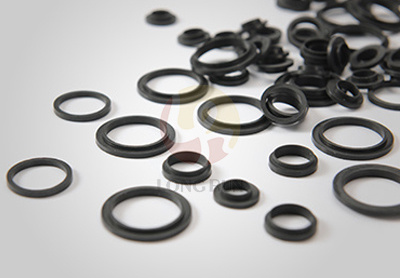
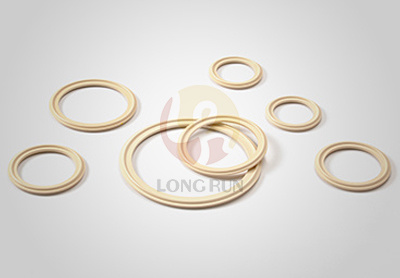
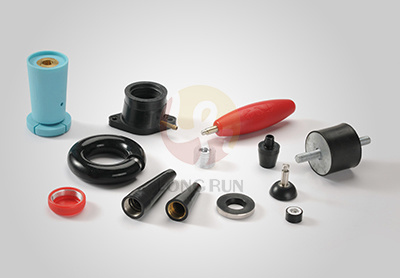
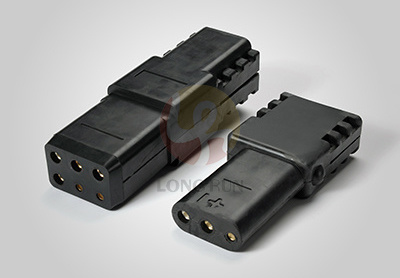
Rubber connectors are flexible components made from various types of rubber materials, designed to link two or more parts of a system. They are used in applications requiring the transmission of fluids, gases, or electrical connections. Rubber connectors can be found in numerous configurations and materials, accommodating different operational requirements and environmental conditions.
3. Types of Rubber Connectors
Rubber connectors come in various forms, each tailored to meet specific needs. Understanding the different types can guide decision-making when selecting the right connector for your application.
3.1 Flexible Rubber Connectors
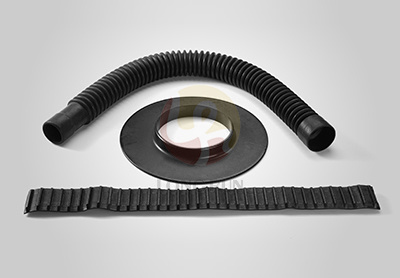
Flexible rubber connectors are designed to allow for movement and vibrational absorption. Ideal for situations where components may shift or vibrate, these connectors help maintain the integrity of the connection while preventing damage to the surrounding components.
3.2 Vibration Dampening Connectors
Vibration dampening connectors are engineered specifically to reduce the impact of vibrations on connected components. They are commonly used in automotive and industrial applications, where vibrations can lead to wear and tear over time.
3.3 Weather-Resistant Connectors
Weather-resistant connectors are made from specialized rubber compounds that can withstand environmental factors such as moisture, UV radiation, and extreme temperatures. This makes them ideal for outdoor applications or environments exposed to various weather conditions.
4. Benefits of Rubber Connectors
Rubber connectors offer numerous advantages that make them a preferred choice across various industries. Understanding these benefits can help organizations make informed decisions about their use.
4.1 Durability and Longevity
One of the standout characteristics of rubber connectors is their durability. Made to withstand harsh conditions, these connectors can last for extended periods without significant wear or failure. Their resilience to fatigue makes them an excellent investment for businesses looking to reduce maintenance costs and downtime.
4.2 Cost-Effectiveness
Rubber connectors are often more cost-effective than alternatives like metal or plastic connectors. Not only are they cheaper to produce, but their longevity also means fewer replacements are needed over time, further reducing overall costs.
4.3 Versatility and Flexibility
The versatility of rubber connectors allows them to be used in a wide range of applications, from automotive systems to construction machinery. Their flexibility means they can adapt to various shapes and sizes, making them suitable for both standard and unique configurations.
4.4 Environmental Resistance
Rubber connectors are designed to resist environmental stressors such as heat, moisture, and chemical exposure. This resistance ensures that they maintain functionality in diverse settings, including outdoor environments and industrial applications where exposure to harsh substances is common.
4.5 Ease of Installation
The installation of rubber connectors is typically straightforward, requiring minimal tools and expertise. This ease of installation can save businesses valuable time and resources, allowing for quicker project completions.
5. Applications of Rubber Connectors
Rubber connectors are utilized in a variety of industries, showcasing their adaptability and importance in modern engineering solutions.
5.1 Automotive Industry
In the automotive sector, rubber connectors are primarily used for exhaust systems, fuel lines, and suspension components. Their ability to absorb vibrations and withstand extreme temperatures makes them ideal for maintaining vehicle performance and safety.
5.2 Construction Industry
The construction industry relies on rubber connectors for various applications, including plumbing, HVAC systems, and machinery. Their durability ensures that critical systems remain operational, even in rigorous working conditions.
5.3 Aerospace Industry
In aerospace, weight and reliability are critical. Rubber connectors are used in systems that require flexible connections while minimizing weight. Their resistance to environmental factors is vital for ensuring safety and performance at high altitudes.
5.4 Industrial Machinery
Rubber connectors facilitate the operation of industrial machinery by allowing for the efficient transfer of fluids and gases. Their ability to dampen vibrations reduces wear on machinery, enhancing longevity and performance.
6. Choosing the Right Rubber Connector
Selecting the appropriate rubber connector for your specific application involves considering factors such as material compatibility, operational environment, and performance standards. Engage with suppliers to understand the best options available and ensure that the selection meets the required specifications.
7. The Future of Rubber Connectors
As technology advances, the future of rubber connectors looks promising. Innovations in material science and manufacturing processes are expected to improve the performance and capabilities of rubber connectors. Sustainability will also play a significant role, with a focus on developing eco-friendly materials and production methods.
8. Frequently Asked Questions
What are the primary materials used in rubber connectors?
The primary materials used in rubber connectors typically include natural rubber, synthetic rubber, and elastomers, each selected based on the desired properties and environmental conditions.
How do rubber connectors compare to metal connectors?
Rubber connectors offer increased flexibility and durability, while metal connectors may provide greater strength but can be prone to corrosion and fatigue. The choice between them often depends on the specific application requirements.
Can rubber connectors be used in high-temperature applications?
Yes, many rubber connectors are designed to withstand high temperatures, but it is essential to select the right type of rubber based on the specific temperature range of the application.
How can I ensure the longevity of rubber connectors?
To ensure the longevity of rubber connectors, it is crucial to select the appropriate type of connector for the application, regularly inspect them for wear, and replace them as needed.
Are rubber connectors environmentally friendly?
Many manufacturers are developing eco-friendly rubber materials and production methods, making rubber connectors a more sustainable choice in various applications.
9. Conclusion
Rubber connectors have proven to be invaluable components across multiple industries, offering unique benefits that enhance performance, reliability, and cost-effectiveness. Their flexibility, durability, and resistance to environmental factors make them an ideal choice for a wide range of applications. As we look to the future, advancements in materials and manufacturing processes will likely expand their capabilities and applications even further. Embracing rubber connectors can lead to improved operational efficiency and long-term cost savings, making them a smart investment for any organization.
Related News
Understanding Rubber Flexible Connectors: Essential Components in the Chemical Industry
Rubber flexible connectors are essential components in the chemical industry, designed to absorb vibration, accommodate misalignment, and reduce stress on piping systems. These connectors are typically made from high-quality rubber materials, which provide them with the flexibility and resilience required for dynamic environments. Unlike rigid connections, rubber flexible connectors can adapt to c
Sep 15,2026
How Rubber Bonded Metal Products Enhance Durability and Performance in Industrial Applications
How Rubber Bonded Metal Products Enhance Durability and Performance in Industrial Applications Table of Contents 1. Introduction to Rubber Bonded Metal Products 2. What are Rubber Bonded Metal Products? 3. Key Benefits of Rubber Bonded Metal Products 4. Applications of Rubber Bonded Metal Products 5. Manufacturing Processes and Techniques 6. Enhancing Performance with Rubb
Sep 12,2026
The Essential Guide to Viton O Rings: Advantages and Applications in the Chemical Industry
Viton O rings are a type of elastomeric sealing solution that are widely used in various industries, particularly within the chemical sector due to their impressive resistance to extreme temperatures and aggressive chemicals. Composed of a fluoropolymer, Viton is renowned for its durability and high-performance characteristics, making it a preferred choice in applications where standard rubber may
Sep 09,2026
Exploring the Versatility of Molded Rubber Balls in Everyday Applications
Exploring the Versatility of Molded Rubber Balls in Everyday Applications Table of Contents Introduction to Molded Rubber Balls What Are Molded Rubber Balls? The Manufacturing Process of Molded Rubber Balls Benefits of Molded Rubber Balls Applications in Industrial Settings Recreational Uses of Molded Rubber Balls Environmental Impact and Sustainability Frequently
Sep 06,2026
Understanding Rubber Balls: Applications, Properties, and Innovations in the Rubber Industry
Rubber balls, a common yet versatile product, play a crucial role in various applications across multiple industries, including sports, recreational activities, and industrial uses. Made primarily from elastomers, rubber balls exhibit unique properties such as elasticity, durability, and resistance to wear and tear. These characteristics make them highly desirable in both consumer markets and indu
Sep 03,2026

Add: Building # 7, No. 27, Songbai Ling Avenue, Zhonghan Huizhou Industrial Park, Zhongkai High-tech Zone, Huizhou, Guangdong, China 516032

LONGRUN
Privacy Policy | SEO | Support: 300.cn