


Understanding Rubber Balls: Applications, Properties, and Innovations in the Rubber Industry
Publish:
2026-09-03


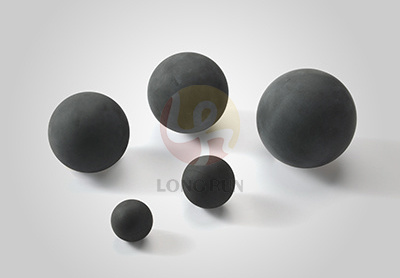
Rubber balls, a common yet versatile product, play a crucial role in various applications across multiple industries, including sports, recreational activities, and industrial uses. Made primarily from elastomers, rubber balls exhibit unique properties such as elasticity, durability, and resistance to wear and tear. These characteristics make them highly desirable in both consumer markets and indu
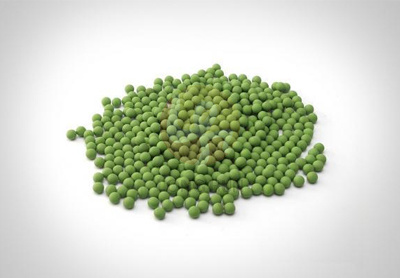
Rubber balls, a common yet versatile product, play a crucial role in various applications across multiple industries, including sports, recreational activities, and industrial uses. Made primarily from elastomers, rubber balls exhibit unique properties such as elasticity, durability, and resistance to wear and tear. These characteristics make them highly desirable in both consumer markets and industrial settings.
One of the primary advantages of rubber balls is their elasticity. This property enables them to absorb shocks, making them ideal for use in sports. For instance, basketballs and soccer balls are designed to withstand repeated impacts, returning to their original shape after deformation. The ability of rubber to maintain its structural integrity under stress not only enhances performance but also extends the lifespan of these products.
In addition to sports, rubber balls find applications in various industrial sectors. They are commonly used in machinery as vibration dampeners or in sealing applications due to their ability to compress and return to shape without losing functionality. Moreover, the versatility of rubber materials allows for the customization of ball properties, making them suitable for specific tasks, such as producing balls with varying degrees of hardness or resistance to chemicals.
Innovations in the rubber industry have led to the development of new formulations and manufacturing techniques that enhance the performance of rubber balls. For example, advancements in mixing technology have improved the consistency and quality of rubber compounds, resulting in balls that offer better grip, increased durability, and enhanced performance in extreme conditions. Additionally, environmentally friendly materials are now being explored, aligning with global sustainability efforts to reduce the carbon footprint associated with rubber production.
Furthermore, the rise of smart technology is beginning to influence the design of rubber balls. Features such as embedded sensors can provide valuable feedback related to performance metrics, allowing athletes and coaches to track improvements and optimize training regimens. This innovative approach is set to revolutionize how rubber balls are perceived and utilized, merging traditional manufacturing with cutting-edge technology.
In summary, rubber balls represent a fascinating intersection of material science and practical application. Their unique properties make them indispensable across various sectors, while ongoing innovations promise to reshape their future. As professionals in the chemical and rubber industries continue to push the boundaries, the possibilities for rubber balls will expand, influencing both market trends and industrial practices. Understanding these dynamics is essential for anyone involved in the rubber products sector, as they navigate the complexities of this ever-evolving field.
One of the primary advantages of rubber balls is their elasticity. This property enables them to absorb shocks, making them ideal for use in sports. For instance, basketballs and soccer balls are designed to withstand repeated impacts, returning to their original shape after deformation. The ability of rubber to maintain its structural integrity under stress not only enhances performance but also extends the lifespan of these products.
In addition to sports, rubber balls find applications in various industrial sectors. They are commonly used in machinery as vibration dampeners or in sealing applications due to their ability to compress and return to shape without losing functionality. Moreover, the versatility of rubber materials allows for the customization of ball properties, making them suitable for specific tasks, such as producing balls with varying degrees of hardness or resistance to chemicals.
Innovations in the rubber industry have led to the development of new formulations and manufacturing techniques that enhance the performance of rubber balls. For example, advancements in mixing technology have improved the consistency and quality of rubber compounds, resulting in balls that offer better grip, increased durability, and enhanced performance in extreme conditions. Additionally, environmentally friendly materials are now being explored, aligning with global sustainability efforts to reduce the carbon footprint associated with rubber production.
Furthermore, the rise of smart technology is beginning to influence the design of rubber balls. Features such as embedded sensors can provide valuable feedback related to performance metrics, allowing athletes and coaches to track improvements and optimize training regimens. This innovative approach is set to revolutionize how rubber balls are perceived and utilized, merging traditional manufacturing with cutting-edge technology.
In summary, rubber balls represent a fascinating intersection of material science and practical application. Their unique properties make them indispensable across various sectors, while ongoing innovations promise to reshape their future. As professionals in the chemical and rubber industries continue to push the boundaries, the possibilities for rubber balls will expand, influencing both market trends and industrial practices. Understanding these dynamics is essential for anyone involved in the rubber products sector, as they navigate the complexities of this ever-evolving field.
Related News
The Role of Rubber Bonded Metal Products in Improving Industrial Efficiency
The Role of Rubber Bonded Metal Products in Improving Industrial Efficiency Table of Contents Introduction Understanding Rubber Bonded Metal Products Historical Development of Rubber Bonded Metal Technology Benefits of Rubber Bonded Metal Products Applications in Industrial Settings Impact on Industrial Efficiency Future Trends and Innovations Frequently Asked Ques
Oct 12,2026
The Essential Guide to Viton O-Rings: Key Benefits and Applications
Viton O-rings are vital components in various industrial applications, particularly in the chemical and rubber products sector. Known for their exceptional performance, these O-rings are made from a type of fluoroelastomer that exhibits remarkable resistance to heat, chemicals, and aging. This unique combination of properties makes Viton O-rings an ideal choice for demanding environments where tra
Oct 09,2026
The Benefits of Choosing Molded Rubber Balls Over Traditional Alternatives
The Benefits of Choosing Molded Rubber Balls Over Traditional Alternatives Table of Contents Introduction Understanding Molded Rubber Balls Advantages of Molded Rubber Balls Durability and Longevity Cost Efficiency Customizability Versatility in Applications Environmental Impact Comparison with Traditional Alternatives Selection Criteria for Molded Ru
Oct 06,2026
Unlocking the Versatility of Rubber Balls in the Chemical Industry
Rubber balls are a remarkable example of how a simple concept can manifest in numerous applications within the chemical sector and beyond. Their versatility makes them an essential component in various industries, including manufacturing, automotive, and sports. Understanding the properties and potential uses of rubber balls can empower businesses to harness their capabilities effectively. First a
Oct 03,2026
The Vital Role of Rubber Flexible Connectors in Modern Industrial Systems
The Vital Role of Rubber Flexible Connectors in Modern Industrial Systems Rubber flexible connectors are essential components in various industrial applications, playing a crucial role in facilitating the seamless operation of systems that rely on fluid and gas movement. In today's fast-paced industrial landscape, the significance of these connectors cannot be overstated. As industries evolve and
Sep 30,2026

Add: Building # 7, No. 27, Songbai Ling Avenue, Zhonghan Huizhou Industrial Park, Zhongkai High-tech Zone, Huizhou, Guangdong, China 516032

LONGRUN
Privacy Policy | SEO | Support: 300.cn