


The Versatile World of Rubber Balls: Properties, Applications, and Beyond
Publish:
2026-08-04


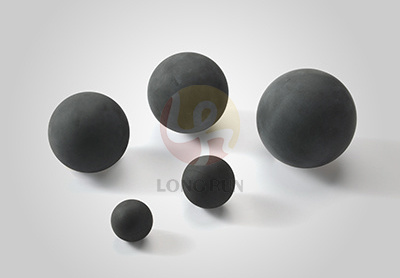
Rubber balls are ubiquitous in our daily lives, found in everything from playgrounds to industrial applications. These versatile objects are primarily made from synthetic or natural rubber, both of which offer unique properties that cater to various needs. Understanding the characteristics of rubber balls and their applications can provide valuable insights for professionals in the chemical and ru
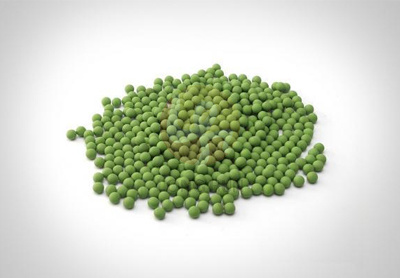
Rubber balls are ubiquitous in our daily lives, found in everything from playgrounds to industrial applications. These versatile objects are primarily made from synthetic or natural rubber, both of which offer unique properties that cater to various needs. Understanding the characteristics of rubber balls and their applications can provide valuable insights for professionals in the chemical and rubber industries.
One of the key properties of rubber balls is their elasticity. This characteristic allows them to absorb and dissipate energy efficiently, making them ideal for various uses, including sports equipment, toys, and seals. The ability of rubber to stretch and then return to its original shape enables rubber balls to withstand repeated impacts without losing integrity. This durability is a significant factor in their popularity across multiple sectors.
In addition to elasticity, rubber balls exhibit excellent grip and friction properties, making them suitable for applications that require traction. For instance, rubber balls are commonly used in sports like basketball and soccer, where control and handling are paramount. The surface texture of the balls can be modified to enhance grip, ensuring players can perform effectively.
The manufacturing process for rubber balls involves careful selection of rubber compounds. Different formulations can be developed to achieve specific performance characteristics. For example, balls intended for outdoor use may incorporate UV-resistant additives to prevent degradation from sunlight, while those designed for colder environments might use rubber compounds that maintain flexibility in low temperatures.
Another important aspect to consider is the environmental impact of rubber ball production. There is a growing emphasis on sustainability in the chemical and rubber industries, with many manufacturers exploring biodegradable rubber materials and eco-friendly production processes. This shift not only addresses environmental concerns but also meets the increasing demand from consumers for sustainable products.
Rubber balls also find applications in various industrial settings. They are used in vibration dampening, as components in machinery to reduce noise and wear. Additionally, rubber balls play a role in the automotive industry, where they are employed in suspension systems to enhance ride comfort.
In conclusion, rubber balls are more than just toys; they are a testament to the versatility and adaptability of rubber in diverse applications. From sports to industrial uses, understanding the properties and benefits of rubber balls can provide valuable insights for professionals in the chemical and rubber industries. As innovation continues to drive advancements in rubber technology, the future holds exciting potential for new applications and sustainable practices in the production of rubber balls.
One of the key properties of rubber balls is their elasticity. This characteristic allows them to absorb and dissipate energy efficiently, making them ideal for various uses, including sports equipment, toys, and seals. The ability of rubber to stretch and then return to its original shape enables rubber balls to withstand repeated impacts without losing integrity. This durability is a significant factor in their popularity across multiple sectors.
In addition to elasticity, rubber balls exhibit excellent grip and friction properties, making them suitable for applications that require traction. For instance, rubber balls are commonly used in sports like basketball and soccer, where control and handling are paramount. The surface texture of the balls can be modified to enhance grip, ensuring players can perform effectively.
The manufacturing process for rubber balls involves careful selection of rubber compounds. Different formulations can be developed to achieve specific performance characteristics. For example, balls intended for outdoor use may incorporate UV-resistant additives to prevent degradation from sunlight, while those designed for colder environments might use rubber compounds that maintain flexibility in low temperatures.
Another important aspect to consider is the environmental impact of rubber ball production. There is a growing emphasis on sustainability in the chemical and rubber industries, with many manufacturers exploring biodegradable rubber materials and eco-friendly production processes. This shift not only addresses environmental concerns but also meets the increasing demand from consumers for sustainable products.
Rubber balls also find applications in various industrial settings. They are used in vibration dampening, as components in machinery to reduce noise and wear. Additionally, rubber balls play a role in the automotive industry, where they are employed in suspension systems to enhance ride comfort.
In conclusion, rubber balls are more than just toys; they are a testament to the versatility and adaptability of rubber in diverse applications. From sports to industrial uses, understanding the properties and benefits of rubber balls can provide valuable insights for professionals in the chemical and rubber industries. As innovation continues to drive advancements in rubber technology, the future holds exciting potential for new applications and sustainable practices in the production of rubber balls.
Related News
The Science Behind Rubber Balls: How They Bounce and Why It Matters
The Science Behind Rubber Balls: How They Bounce and Why It Matters Table of Contents 1. Introduction to Rubber Balls 2. The Material Properties of Rubber 3. How Rubber Balls Achieve Bounce 4. Manufacturing Processes of Rubber Balls 5. Applications of Rubber Balls in Sports 6. The Impact of Rubber Balls on Performance 7. Environmental Considerations in Rubber Ball Prod
Sep 18,2026
Understanding Rubber Flexible Connectors: Essential Components in the Chemical Industry
Rubber flexible connectors are essential components in the chemical industry, designed to absorb vibration, accommodate misalignment, and reduce stress on piping systems. These connectors are typically made from high-quality rubber materials, which provide them with the flexibility and resilience required for dynamic environments. Unlike rigid connections, rubber flexible connectors can adapt to c
Sep 15,2026
How Rubber Bonded Metal Products Enhance Durability and Performance in Industrial Applications
How Rubber Bonded Metal Products Enhance Durability and Performance in Industrial Applications Table of Contents 1. Introduction to Rubber Bonded Metal Products 2. What are Rubber Bonded Metal Products? 3. Key Benefits of Rubber Bonded Metal Products 4. Applications of Rubber Bonded Metal Products 5. Manufacturing Processes and Techniques 6. Enhancing Performance with Rubb
Sep 12,2026
The Essential Guide to Viton O Rings: Advantages and Applications in the Chemical Industry
Viton O rings are a type of elastomeric sealing solution that are widely used in various industries, particularly within the chemical sector due to their impressive resistance to extreme temperatures and aggressive chemicals. Composed of a fluoropolymer, Viton is renowned for its durability and high-performance characteristics, making it a preferred choice in applications where standard rubber may
Sep 09,2026
Exploring the Versatility of Molded Rubber Balls in Everyday Applications
Exploring the Versatility of Molded Rubber Balls in Everyday Applications Table of Contents Introduction to Molded Rubber Balls What Are Molded Rubber Balls? The Manufacturing Process of Molded Rubber Balls Benefits of Molded Rubber Balls Applications in Industrial Settings Recreational Uses of Molded Rubber Balls Environmental Impact and Sustainability Frequently
Sep 06,2026

Add: Building # 7, No. 27, Songbai Ling Avenue, Zhonghan Huizhou Industrial Park, Zhongkai High-tech Zone, Huizhou, Guangdong, China 516032

LONGRUN
Privacy Policy | SEO | Support: 300.cn