
Achieving Excellence in Chemical Products with Quality Fiber Reinforced Diaphragms
Publish:
2026-05-15


Achieving Excellence in Chemical Products with Quality Fiber Reinforced Diaphragms
Table of Contents
Introduction to Fiber Reinforced Diaphragms
What Are Fiber Reinforced Diaphragms?
Advantages of Fiber Reinforced Diaphragms in Chemical Products
Applications of Fiber Reinforced Diaphragms in Various Industries
The Manufacturing Process of Fiber Reinforced Diaphragms
En
Achieving Excellence in Chemical Products with Quality Fiber Reinforced Diaphragms
Table of Contents
- Introduction to Fiber Reinforced Diaphragms
- What Are Fiber Reinforced Diaphragms?
- Advantages of Fiber Reinforced Diaphragms in Chemical Products
- Applications of Fiber Reinforced Diaphragms in Various Industries
- The Manufacturing Process of Fiber Reinforced Diaphragms
- Ensuring Quality Control in Fiber Reinforced Diaphragms
- Future Trends in Fiber Reinforced Diaphragms
- Conclusion
- Frequently Asked Questions
Introduction to Fiber Reinforced Diaphragms
In the ever-evolving world of chemical engineering, achieving excellence in product quality is paramount. One of the key components that contribute to this quality is the **fiber reinforced diaphragm**. These innovative materials not only enhance the durability of various chemical products but also improve their overall functionality. This article delves into the significance of fiber reinforced diaphragms, exploring their advantages, applications, manufacturing processes, and future trends.
What Are Fiber Reinforced Diaphragms?
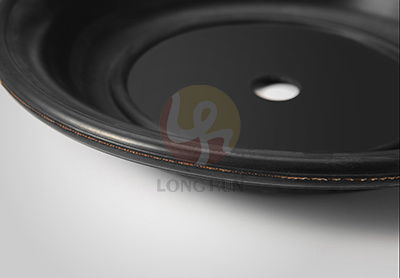
Fiber reinforced diaphragms are composite materials that consist of a polymer matrix reinforced with fibers. These fibers, which can be made from glass, carbon, or aramid, significantly enhance the mechanical properties of the diaphragm. By combining the lightweight nature of polymers with the strength provided by fibers, manufacturers can produce diaphragms that are highly efficient and resistant to various stresses encountered in chemical applications.
Key Characteristics of Fiber Reinforced Diaphragms
1. **High Strength-to-Weight Ratio**: The use of fibers allows these diaphragms to withstand high pressures while remaining lightweight.
2. **Corrosion Resistance**: Fiber reinforced diaphragms are often resistant to harsh chemicals, making them suitable for a wide range of applications.
3. **Thermal Stability**: These materials can operate effectively across a broad temperature range, contributing to their versatility.
4. **Flexibility**: The inherent flexibility of fiber reinforced diaphragms allows for easier installation and adaptability in various systems.
Advantages of Fiber Reinforced Diaphragms in Chemical Products
The integration of fiber reinforced diaphragms into chemical products offers numerous advantages that significantly enhance performance and reliability.
Enhanced Durability
The durability of fiber reinforced diaphragms ensures that they maintain their integrity even under extreme conditions. This longevity minimizes the need for frequent replacements, ultimately reducing costs and downtime in industrial applications.
Improved Performance
Fiber reinforced diaphragms provide superior sealing capabilities, which are crucial in preventing leaks in chemical processes. This improved performance contributes to safer operations and higher product yields.
Cost-Effectiveness
While the initial investment in fiber reinforced diaphragms may be higher than traditional materials, their long lifespan and reduced maintenance requirements make them a cost-effective choice in the long run.
Environmental Benefits
Using fiber reinforced materials can lead to a reduction in waste, as fewer replacements are needed. Moreover, the lightweight nature of these diaphragms can improve energy efficiency in transportation and installation processes.
Applications of Fiber Reinforced Diaphragms in Various Industries
The versatility of fiber reinforced diaphragms allows them to be utilized across multiple industries, enhancing the quality of chemical products in various applications.
1. Chemical Processing
In chemical processing, fiber reinforced diaphragms are used in pumps, valves, and other equipment where reliable sealing is essential. They help maintain the integrity of the system while withstanding corrosive substances.
2. Automotive Industry
Fiber reinforced diaphragms are employed in automotive applications, such as fuel systems and emissions control, where they contribute to improved performance and reduced emissions.
3. Aerospace Sector
The aerospace industry benefits from the lightweight and durable characteristics of fiber reinforced diaphragms, which are used in critical systems that require high performance and reliability.
4. Medical Devices
In the medical field, fiber reinforced diaphragms are utilized in devices that require precise and reliable operation, ensuring patient safety and enhancing the efficacy of medical treatments.
The Manufacturing Process of Fiber Reinforced Diaphragms
The manufacturing of fiber reinforced diaphragms involves several critical steps to ensure optimal performance and quality.
1. Material Selection
Choosing the right combination of polymers and fibers is crucial. The selected materials must align with the application requirements, considering factors such as chemical exposure and operating conditions.
2. Fabrication Techniques
Various techniques can be employed to fabricate fiber reinforced diaphragms, including injection molding, compression molding, and hand lay-up. Each method has its advantages, depending on the desired characteristics of the final product.
3. Curing Process
Once the diaphragm is shaped, it undergoes a curing process that solidifies the polymer matrix, enhancing its strength and durability. Proper control of temperature and time during curing is essential to achieve the desired properties.
Ensuring Quality Control in Fiber Reinforced Diaphragms
Quality control is paramount in the manufacturing of fiber reinforced diaphragms. Implementing stringent quality assurance measures guarantees that the diaphragms meet industry standards and customer expectations.
1. Testing Methods
Various testing methods, including tensile strength tests, chemical resistance evaluations, and thermal stability assessments, are employed to ensure that the diaphragms perform effectively in their intended applications.
2. Certifications and Standards
Obtaining relevant certifications, such as ISO and ASTM standards, is crucial for manufacturers. These certifications not only validate the quality of the diaphragms but also enhance the manufacturer's reputation in the marketplace.
Future Trends in Fiber Reinforced Diaphragms
As technology advances, the future of fiber reinforced diaphragms looks promising. Emerging trends are likely to shape the development of these materials in the years to come.
1. Advanced Materials
Research into new fibers and polymer composites may lead to even stronger and more durable diaphragms, capable of withstanding more extreme conditions.
2. Sustainable Practices
There is an increasing emphasis on sustainability in manufacturing. Future diaphragm production may focus on eco-friendly materials and processes to minimize environmental impact.
3. Smart Diaphragms
The integration of sensors and smart technology into fiber reinforced diaphragms could revolutionize their applications, allowing for real-time monitoring and improved performance.
Conclusion
Fiber reinforced diaphragms represent a significant advancement in the field of chemical engineering, offering remarkable strength, durability, and versatility. Their integration into various industries not only enhances the quality of chemical products but also promotes operational efficiency and safety. As technology continues to evolve, the future of fiber reinforced diaphragms promises exciting innovations that will further enhance their performance and applications. By investing in these advanced materials, industries can achieve excellence in their chemical products, ensuring long-term success and sustainability.
Frequently Asked Questions
1. What are the main benefits of using fiber reinforced diaphragms?
Fiber reinforced diaphragms provide enhanced durability, improved performance, cost-effectiveness, and environmental benefits, making them an excellent choice for various applications.
2. How are fiber reinforced diaphragms manufactured?
The manufacturing process involves material selection, fabrication techniques, and a curing process to ensure optimal performance and quality.
3. In which industries are fiber reinforced diaphragms commonly used?
They are commonly used in chemical processing, automotive, aerospace, and medical device industries.
4. What testing methods are used to ensure the quality of fiber reinforced diaphragms?
Testing methods include tensile strength tests, chemical resistance evaluations, and thermal stability assessments to ensure the diaphragms meet industry standards.
5. What are the future trends for fiber reinforced diaphragms?
Future trends may include the development of advanced materials, sustainable manufacturing practices, and the integration of smart technology into diaphragms.
Related News
The Role of Customized Molded Rubber Balls in Enhancing Safety Standards Across Industries
The Role of Customized Molded Rubber Balls in Enhancing Safety Standards Across Industries In today's industrial landscape, ensuring safety is paramount. Customized molded rubber balls have emerged as vital components that play an instrumental role in improving safety standards. From manufacturing to construction, these versatile products are designed to meet specific needs, enhancing both functio
May 15,2026
Achieving Excellence in Chemical Products with Quality Fiber Reinforced Diaphragms
Achieving Excellence in Chemical Products with Quality Fiber Reinforced Diaphragms Table of Contents Introduction to Fiber Reinforced Diaphragms What Are Fiber Reinforced Diaphragms? Advantages of Fiber Reinforced Diaphragms in Chemical Products Applications of Fiber Reinforced Diaphragms in Various Industries The Manufacturing Process of Fiber Reinforced Diaphragms En
May 15,2026
Unlocking the Potential of Customized Molded Rubber Balls in Diverse Applications
Customized molded rubber balls are increasingly recognized for their versatility and practicality across a range of industries, particularly in the chemical and rubber sectors. By tailoring the design and material composition of these balls to meet specific requirements, businesses can unlock significant advantages for their applications. One of the primary benefits of customized molded rubber bal
May 14,2026
Rubber Bonded Metal Products: Essential Components for the Chemical Industry
Rubber Bonded Metal Products: Essential Components for the Chemical Industry Table of Contents Introduction to Rubber Bonded Metal Products What Are Rubber Bonded Metal Products? Importance of Rubber Bonded Metal in the Chemical Industry Applications of Rubber Bonded Metal Products Manufacturing Process of Rubber Bonded Metal Products Advantages of Using Rubber Bonded Meta
May 14,2026
Understanding the Role of Viton O-Rings in the Automotive Industry
Viton O-Rings have become an essential component in the automotive industry, primarily due to their excellent properties that cater to a wide range of applications. Viton, a brand name for a type of fluorocarbon elastomer, is known for its superior resistance to chemicals, heat, and aging. This makes it an ideal choice for sealing solutions in diverse automotive environments, where durability and
May 13,2026

Add: Building # 7, No. 27, Songbai Ling Avenue, Zhonghan Huizhou Industrial Park, Zhongkai High-tech Zone, Huizhou, Guangdong, China 516032

LONGRUN
Privacy Policy | SEO | Support: 300.cn