


Quality Fiber Reinforced Diaphragms: Revolutionizing the Rubber Product Landscape
Publish:
2026-05-23


Quality Fiber Reinforced Diaphragms: Revolutionizing the Rubber Product Landscape
Table of Contents
1. Introduction to Fiber Reinforced Diaphragms
2. Understanding the Composition of Fiber Reinforced Diaphragms
3. The Unique Benefits of Fiber Reinforced Diaphragms
3.1 Enhanced Durability and Performance
3.2 Weight Reduction and Energy Efficiency
3.3 Versatility Across Industries
4. Applications of
Quality Fiber Reinforced Diaphragms: Revolutionizing the Rubber Product Landscape
Table of Contents
1. Introduction to Fiber Reinforced Diaphragms
2. Understanding the Composition of Fiber Reinforced Diaphragms
3. The Unique Benefits of Fiber Reinforced Diaphragms
3.1 Enhanced Durability and Performance
3.2 Weight Reduction and Energy Efficiency
3.3 Versatility Across Industries
4. Applications of Fiber Reinforced Diaphragms in Various Industries
4.1 Automotive Industry
4.2 Aerospace Sector
4.3 Industrial Machinery
5. The Manufacturing Process of Fiber Reinforced Diaphragms
6. Future Trends and Innovations in Diaphragm Technology
7. Frequently Asked Questions about Fiber Reinforced Diaphragms
8. Conclusion: The Future of Rubber Products with Fiber Reinforced Diaphragms
1. Introduction to Fiber Reinforced Diaphragms
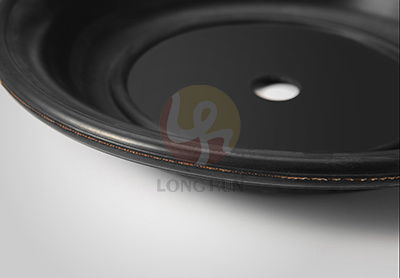
The rubber product landscape has witnessed significant transformations over the years, with **fiber reinforced diaphragms** emerging as a pivotal innovation. These specialized components are designed to withstand extreme pressure and harsh conditions, making them indispensable in various applications. This article delves into the characteristics, benefits, applications, and future trends of quality fiber reinforced diaphragms that are reshaping the rubber industry.
2. Understanding the Composition of Fiber Reinforced Diaphragms
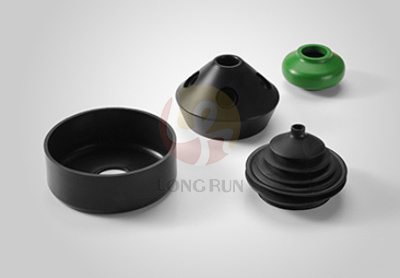
Fiber reinforced diaphragms are made from a blend of high-performance rubber and reinforcing fibers, which include materials like aramid, carbon, glass, and synthetic fibers. This combination enhances the structural integrity of the diaphragm while maintaining flexibility and resilience. The choice of fiber and rubber type is crucial, as it directly impacts the diaphragm's performance and longevity.
3. The Unique Benefits of Fiber Reinforced Diaphragms
Fiber reinforced diaphragms offer a multitude of advantages that position them as superior alternatives to traditional diaphragms.
3.1 Enhanced Durability and Performance
One of the primary benefits of fiber reinforced diaphragms is their **enhanced durability**. The addition of reinforcing fibers significantly increases resistance to wear, tear, and fatigue, ensuring that diaphragms maintain their original properties over extended periods. This durability translates into lower maintenance costs and longer service life, especially in demanding applications.
3.2 Weight Reduction and Energy Efficiency
The lightweight nature of fiber reinforced diaphragms contributes to energy efficiency in mechanical systems. Their reduced weight allows for easier handling and installation, while also minimizing energy consumption in applications such as **automotive** and **aerospace** machinery, where every ounce counts.
3.3 Versatility Across Industries
Fiber reinforced diaphragms are versatile and can be tailored to meet the specific needs of various industries. From automotive to industrial machinery, these diaphragms can be customized in terms of size, shape, and material composition to suit unique operational requirements.
4. Applications of Fiber Reinforced Diaphragms in Various Industries
The adaptability of fiber reinforced diaphragms makes them suitable for a wide range of applications across different sectors.
4.1 Automotive Industry
In the automotive industry, fiber reinforced diaphragms are used in applications such as **brake systems**, **clutches**, and **suspension components**. Their ability to withstand high pressures while providing excellent sealing properties ensures optimal performance and safety in vehicles.
4.2 Aerospace Sector
The aerospace sector demands high-performance materials that can endure extreme conditions. Fiber reinforced diaphragms play a crucial role in applications like **fuel systems** and **actuation systems**, where reliability and lightweight materials are essential for aircraft performance.
4.3 Industrial Machinery
In industrial machinery, fiber reinforced diaphragms are utilized in **pumps**, **compressors**, and **valves**. Their robustness allows for seamless operation under high pressure and temperature, contributing to efficient machinery performance.
5. The Manufacturing Process of Fiber Reinforced Diaphragms
The manufacturing of fiber reinforced diaphragms involves several key steps, including material selection, molding, and curing. The process begins with selecting the appropriate rubber matrix and reinforcing fibers, which are then mixed to achieve a consistent compound. This compound is molded into the desired shape and cured under controlled conditions to enhance its mechanical properties. Advanced techniques such as **compression molding** and **injection molding** are often employed to ensure precision and quality.
6. Future Trends and Innovations in Diaphragm Technology
As technology continues to advance, the future of fiber reinforced diaphragms looks promising. Innovations such as the integration of **smart materials** that can sense environmental changes and adapt accordingly are on the horizon. Additionally, the development of eco-friendly materials aligns with global sustainability efforts, ensuring that the production of diaphragms has a minimal environmental impact.
7. Frequently Asked Questions about Fiber Reinforced Diaphragms
What are the main advantages of fiber reinforced diaphragms over traditional diaphragms?
Fiber reinforced diaphragms offer superior durability, reduced weight, and enhanced versatility, making them ideal for demanding applications.
How do the materials used in fiber reinforced diaphragms affect their performance?
The choice of rubber and reinforcing fibers significantly influences the diaphragm's strength, flexibility, and resistance to wear and tear.
In which industries are fiber reinforced diaphragms commonly used?
They are commonly used in the automotive, aerospace, and industrial machinery sectors due to their robust performance characteristics.
What manufacturing processes are utilized to create fiber reinforced diaphragms?
Common manufacturing processes include compression molding and injection molding, which ensure precise shaping and quality control.
What future developments can we expect in diaphragm technology?
Expect advancements in smart materials, eco-friendly production practices, and increased performance capabilities in future diaphragm designs.
8. Conclusion: The Future of Rubber Products with Fiber Reinforced Diaphragms
Quality fiber reinforced diaphragms are undeniably revolutionizing the rubber product landscape. Their superior performance, durability, and versatility make them essential components across various industries. As technology advances and manufacturing processes improve, we anticipate even greater innovations in diaphragm technology that will further enhance their capabilities. Embracing these advancements will not only improve product efficiency but also contribute to a more sustainable future in the rubber industry.
Related News
The Benefits of Choosing Molded Rubber Balls Over Traditional Alternatives
The Benefits of Choosing Molded Rubber Balls Over Traditional Alternatives Table of Contents Introduction Understanding Molded Rubber Balls Advantages of Molded Rubber Balls Durability and Longevity Cost Efficiency Customizability Versatility in Applications Environmental Impact Comparison with Traditional Alternatives Selection Criteria for Molded Ru
Oct 06,2026
Unlocking the Versatility of Rubber Balls in the Chemical Industry
Rubber balls are a remarkable example of how a simple concept can manifest in numerous applications within the chemical sector and beyond. Their versatility makes them an essential component in various industries, including manufacturing, automotive, and sports. Understanding the properties and potential uses of rubber balls can empower businesses to harness their capabilities effectively. First a
Oct 03,2026
The Vital Role of Rubber Flexible Connectors in Modern Industrial Systems
The Vital Role of Rubber Flexible Connectors in Modern Industrial Systems Rubber flexible connectors are essential components in various industrial applications, playing a crucial role in facilitating the seamless operation of systems that rely on fluid and gas movement. In today's fast-paced industrial landscape, the significance of these connectors cannot be overstated. As industries evolve and
Sep 30,2026
The Versatile World of Rubber Bonded Metal Products
Rubber bonded metal products represent a fascinating intersection of materials science and engineering, combining the flexibility and resilience of rubber with the strength and durability of metal. This unique pairing allows for the creation of products that are not only robust but also capable of absorbing shock, reducing vibrations, and providing a reliable seal against environmental factors. On
Sep 27,2026
Comparing Viton O Rings to Silicone: Which Material Reigns Supreme?
Comparing Viton O Rings to Silicone: Which Material Reigns Supreme? Table of Contents 1. Introduction to O Rings and Their Importance 2. What Are Viton O Rings? 3. What Are Silicone O Rings? 4. Key Differences Between Viton and Silicone O Rings 5. Performance in High Temperatures 6. Chemical Resistance: A Critical Comparison 7. Applications of Viton O Rings 8. Appl
Sep 24,2026

Add: Building # 7, No. 27, Songbai Ling Avenue, Zhonghan Huizhou Industrial Park, Zhongkai High-tech Zone, Huizhou, Guangdong, China 516032

LONGRUN
Privacy Policy | SEO | Support: 300.cn