


The Compatibility of Viton O-Rings with Automotive Fluids: A Comprehensive Guide
Publish:
2026-06-29


The Compatibility of Viton O-Rings with Automotive Fluids
Automotive applications require materials that can withstand harsh environments and maintain integrity over time. Viton O-Rings are a popular choice due to their superior chemical resistance and durability. Understanding the compatibility of Viton O-Rings with various automotive fluids is crucial for maximizing performance and longevity. Th
The Compatibility of Viton O-Rings with Automotive Fluids
Automotive applications require materials that can withstand harsh environments and maintain integrity over time. Viton O-Rings are a popular choice due to their superior chemical resistance and durability. Understanding the compatibility of Viton O-Rings with various automotive fluids is crucial for maximizing performance and longevity. This comprehensive guide will explore the properties of Viton O-Rings, their applications, and how they interact with different automotive fluids.
What are Viton O-Rings?
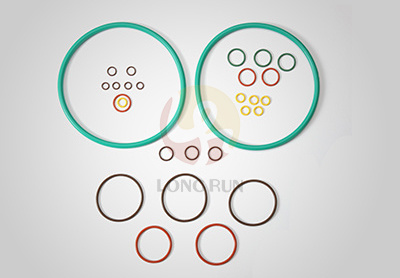
Viton O-Rings, made from fluorocarbon elastomer, are a type of sealing component widely used in automotive, aerospace, and industrial applications. Their unique composition gives them excellent resistance to high temperatures, chemicals, and aging. This makes them an ideal choice for sealing applications where traditional materials may fail.
Key Characteristics of Viton O-Rings
1. **High Temperature Resistance**: Viton O-Rings can withstand temperatures ranging from -20°F to +400°F (-29°C to +204°C). This temperature range allows them to perform effectively in various automotive environments.
2. **Chemical Resistance**: Viton offers unparalleled resistance to oils, fuels, and many aggressive chemicals. This property is critical in automotive applications where exposure to various fluids is inevitable.
3. **Low Compression Set**: Viton O-Rings maintain their shape and sealing capability over time, ensuring that they provide a reliable seal even after prolonged exposure to stress.
4. **Durability**: The robust nature of Viton O-Rings makes them resistant to wear, tear, and aging, which is essential for long-lasting performance in automotive systems.
Understanding Automotive Fluids
Automotive fluids encompass a wide range of substances used in vehicles, including engine oil, transmission fluid, coolant, brake fluid, and fuel. Each fluid has distinct properties and chemical compositions that can interact differently with sealing materials like Viton O-Rings.
Types of Automotive Fluids
1. **Engine Oil**: Engine oils lubricate engine components and prevent wear. They come in various formulations, including synthetic, semi-synthetic, and mineral-based oils.
2. **Transmission Fluid**: This fluid lubricates and cools the transmission components, ensuring smooth gear shifts. Different types of transmissions (automatic vs. manual) require specific fluid formulations.
3. **Coolant**: Coolants, or antifreeze, regulate engine temperature, preventing overheating. They contain a mixture of water and antifreeze agents, often ethylene glycol or propylene glycol.
4. **Brake Fluid**: Brake fluids are essential for the hydraulic brake system, allowing efficient transfer of force. The most common types are DOT 3, DOT 4, and DOT 5 fluids.
5. **Fuel**: Automotive fuels primarily include gasoline and diesel, each with distinct chemical properties and potential impacts on sealing materials.
Compatibility of Viton O-Rings with Automotive Fluids
When selecting Viton O-Rings for automotive applications, it is crucial to assess their compatibility with specific fluids. The following sections will explore how Viton interacts with various automotive fluids.
Engine Oil Compatibility
Viton O-Rings demonstrate excellent compatibility with engine oils, including petroleum-based and synthetic options. They resist degradation and maintain sealing properties even when exposed to high temperatures and pressure. This makes Viton a preferred choice for oil seals in engines.
Transmission Fluid Compatibility
Viton O-Rings are also highly compatible with both automatic and manual transmission fluids. Their ability to withstand the chemical composition of these fluids ensures reliable sealing in transmission systems, mitigating the risk of leaks and enhancing overall performance.
Coolant Compatibility
When it comes to coolants, Viton O-Rings can withstand the various additives present in antifreeze solutions. This compatibility prevents O-Ring degradation and ensures that seals remain effective under temperature fluctuations, supporting vehicle cooling systems efficiently.
Brake Fluid Compatibility
Brake fluids can be particularly challenging for sealing materials due to their hygroscopic nature. However, Viton O-Rings exhibit excellent compatibility with both glycol-based and silicone-based brake fluids. Their chemical resistance helps maintain the integrity of the brake system, ensuring optimal safety and performance.
Fuel Compatibility
Viton O-Rings are well-suited for use with automotive fuels, including gasoline and diesel. Their resistance to fuel additives and high temperatures makes them ideal for fuel system applications, from fuel injectors to fuel tanks. This compatibility ensures long-lasting seals that perform reliably under various operating conditions.
Advantages of Using Viton O-Rings in Automotive Applications
Utilizing Viton O-Rings in automotive applications comes with several advantages:
1. Enhanced Performance
The superior properties of Viton O-Rings contribute to improved performance in automotive systems. Their ability to maintain a reliable seal under pressure ensures that fluid leaks are minimized, enhancing overall system efficiency.
2. Reduced Maintenance Costs
By selecting Viton O-Rings, automotive professionals can reduce maintenance and replacement costs. The durability and longevity of these O-Rings mean fewer replacements are necessary, leading to cost savings over time.
3. Improved Safety
Reliable sealing provided by Viton O-Rings enhances vehicle safety. Preventing fluid leaks and ensuring proper function of critical systems, such as brakes and fuel delivery, contributes to safer driving conditions.
4. Versatility in Applications
Viton O-Rings are versatile and can be used in various automotive applications, making them a go-to choice for many manufacturers. From engines to transmissions, their adaptability ensures that they meet diverse sealing needs.
5. Environmental Resistance
In addition to chemical resistance, Viton O-Rings are resilient against environmental factors such as moisture, ozone, and UV light. This resistance extends their lifespan and makes them suitable for outdoor applications.
How to Select the Right Viton O-Ring for Your Automotive Application
Selecting the right Viton O-Ring involves considering several factors to ensure compatibility and performance:
1. Determine Fluid Compatibility
Identify the specific automotive fluids that the O-Ring will encounter. Understanding the chemical composition of these fluids will guide you in selecting a Viton formulation that is compatible.
2. Assess Temperature and Pressure Conditions
Evaluate the temperature and pressure conditions in which the O-Ring will operate. Different Viton grades are available, some of which are better suited for extreme conditions than others.
3. Measure Proper Dimensions
Ensure accurate measurements of the O-Ring’s required dimensions. The inner diameter, outer diameter, and cross-section must align with the application to create a proper seal.
4. Consider Environmental Factors
Take into account any environmental factors that may affect the O-Ring, such as exposure to sunlight or moisture. Choosing a Viton formulation that provides the necessary resistance to these factors is essential.
5. Consult with Experts
If uncertain, consulting with industry experts or manufacturers can provide insights into the best Viton O-Rings for specific applications, ensuring optimal performance.
FAQs About Viton O-Rings and Automotive Fluids
1. Are Viton O-Rings suitable for all automotive fluids?
Yes, Viton O-Rings are compatible with a wide range of automotive fluids, including engine oil, transmission fluid, coolant, brake fluid, and fuel, due to their excellent chemical resistance.
2. How do I know if a Viton O-Ring is the right choice for my application?
Consider the compatibility of the O-Ring with the specific automotive fluids, temperature and pressure conditions, and environmental factors relevant to your application when selecting a Viton O-Ring.
3. What are the temperature limits for Viton O-Rings?
Viton O-Rings can typically withstand temperatures ranging from -20°F to +400°F (-29°C to +204°C), making them suitable for various automotive applications.
4. How often should I replace Viton O-Rings in automotive systems?
The replacement frequency of Viton O-Rings depends on the specific application and exposure conditions. However, their durability often means that they can last significantly longer than O-Rings made from other materials.
5. Can Viton O-Rings be used in high-pressure applications?
Yes, Viton O-Rings can handle high-pressure applications effectively, particularly when properly sized and selected for the specific conditions they will encounter.
Conclusion
Viton O-Rings are indispensable components in automotive applications, offering exceptional compatibility with various automotive fluids. Their high-temperature resistance, chemical resilience, and durability make them a preferred choice for automotive professionals seeking reliable sealing solutions. By understanding the properties of Viton O-Rings and their compatibility with automotive fluids, we can make informed decisions that enhance performance, reduce maintenance costs, and ensure safety in automotive systems. Investing in Viton O-Rings is a step towards achieving optimal results in any automotive application.
Related News
The Versatile World of Rubber Bonded Metal Products
Rubber bonded metal products represent a fascinating intersection of materials science and engineering, combining the flexibility and resilience of rubber with the strength and durability of metal. This unique pairing allows for the creation of products that are not only robust but also capable of absorbing shock, reducing vibrations, and providing a reliable seal against environmental factors. On
Sep 27,2026
Comparing Viton O Rings to Silicone: Which Material Reigns Supreme?
Comparing Viton O Rings to Silicone: Which Material Reigns Supreme? Table of Contents 1. Introduction to O Rings and Their Importance 2. What Are Viton O Rings? 3. What Are Silicone O Rings? 4. Key Differences Between Viton and Silicone O Rings 5. Performance in High Temperatures 6. Chemical Resistance: A Critical Comparison 7. Applications of Viton O Rings 8. Appl
Sep 24,2026
Understanding Molded Rubber Balls: Applications, Benefits, and Manufacturing Process
Molded rubber balls are manufactured from elastomeric materials, which are engineered to provide elasticity, resilience, and durability. These properties make them suitable for a variety of applications, ranging from industrial uses to consumer products. The molding process involves heating rubber compounds in a mold, allowing them to take on specific shapes while curing to achieve the desired str
Sep 21,2026
The Science Behind Rubber Balls: How They Bounce and Why It Matters
The Science Behind Rubber Balls: How They Bounce and Why It Matters Table of Contents 1. Introduction to Rubber Balls 2. The Material Properties of Rubber 3. How Rubber Balls Achieve Bounce 4. Manufacturing Processes of Rubber Balls 5. Applications of Rubber Balls in Sports 6. The Impact of Rubber Balls on Performance 7. Environmental Considerations in Rubber Ball Prod
Sep 18,2026
Understanding Rubber Flexible Connectors: Essential Components in the Chemical Industry
Rubber flexible connectors are essential components in the chemical industry, designed to absorb vibration, accommodate misalignment, and reduce stress on piping systems. These connectors are typically made from high-quality rubber materials, which provide them with the flexibility and resilience required for dynamic environments. Unlike rigid connections, rubber flexible connectors can adapt to c
Sep 15,2026

Add: Building # 7, No. 27, Songbai Ling Avenue, Zhonghan Huizhou Industrial Park, Zhongkai High-tech Zone, Huizhou, Guangdong, China 516032

LONGRUN
Privacy Policy | SEO | Support: 300.cn