


Exploring the Versatile Applications of Rubber Bonded Metals in the Chemical Industry
Publish:
2026-07-07


Exploring the Versatile Applications of Rubber Bonded Metals in the Chemical Industry
Rubber bonded metals have emerged as essential materials in the chemical industry, serving various applications that enhance performance and safety. These composites combine the durability of metal with the elasticity of rubber, creating a unique solution for challenging environments. In this article, we will del
Exploring the Versatile Applications of Rubber Bonded Metals in the Chemical Industry
Rubber bonded metals have emerged as essential materials in the chemical industry, serving various applications that enhance performance and safety. These composites combine the durability of metal with the elasticity of rubber, creating a unique solution for challenging environments. In this article, we will delve into their applications, benefits, and the factors driving their popularity in the chemical sector.
Table of Contents
1. Introduction to Rubber Bonded Metals
2. What Are Rubber Bonded Metals?
3. Importance of Rubber Bonded Metals in the Chemical Industry
4. Common Applications of Rubber Bonded Metals in the Chemical Industry
- 4.1 Sealing Applications
- 4.2 Vibration Damping
- 4.3 Insulation Solutions
- 4.4 Chemical Resistance Applications
5. Advantages of Rubber Bonded Metals
6. Future Trends in Rubber Bonded Metals
7. Challenges in the Use of Rubber Bonded Metals
8. Conclusion
9. Frequently Asked Questions
Introduction to Rubber Bonded Metals
Rubber bonded metals represent a fusion of two materials, yielding a product that possesses the beneficial properties of both. The combination offers enhanced adhesion, flexibility, and durability, making these composites ideal for demanding applications in the chemical industry. Understanding their dynamics is crucial for professionals looking to implement effective solutions in their operations.
What Are Rubber Bonded Metals?
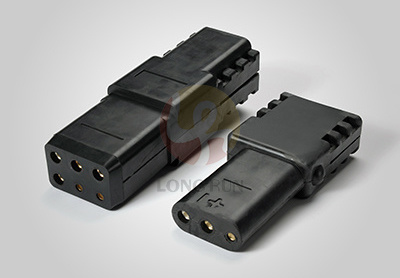
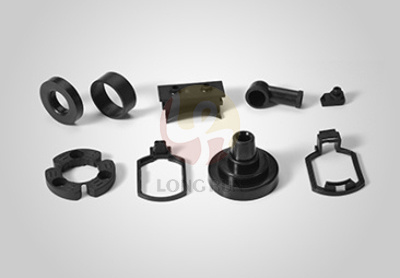
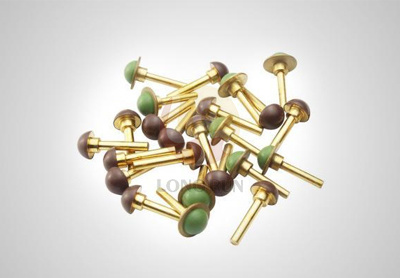
Rubber bonded metals are composites produced by securely bonding rubber to a metal substrate. This process often involves techniques such as molding, vulcanization, or adhesive bonding, resulting in a material that can withstand harsh conditions while providing cushioning or sealing properties. The metals commonly used include aluminum, steel, and various alloys, while the rubber can range from natural rubber to synthetic variants designed to resist specific chemicals and temperatures.
Importance of Rubber Bonded Metals in the Chemical Industry
In the chemical industry, where exposure to corrosive substances and extreme temperatures is commonplace, rubber bonded metals play a pivotal role. Their ability to mitigate wear, prevent leaks, and dampen vibrations contributes to operational efficiency and safety. Moreover, these materials are critical for extending the lifespan of equipment and machinery, ultimately leading to cost savings and reduced downtime.
Common Applications of Rubber Bonded Metals in the Chemical Industry
Rubber bonded metals find a variety of applications within the chemical sector, addressing numerous challenges faced by industry players. Below, we explore some specific applications:
Sealing Applications
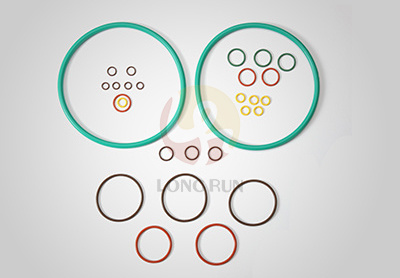
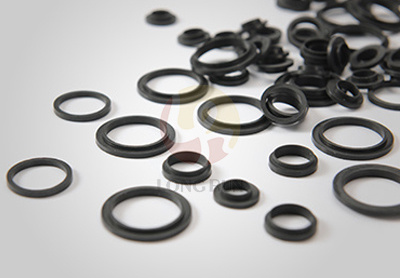
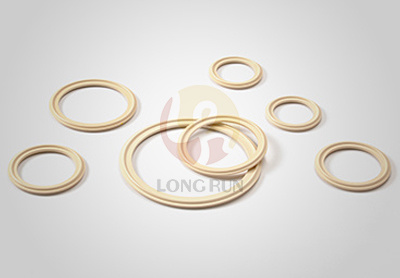
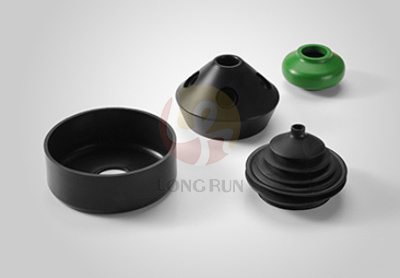
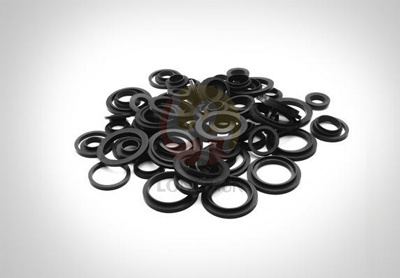
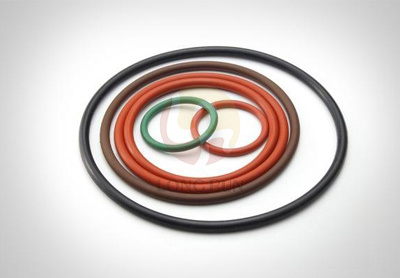
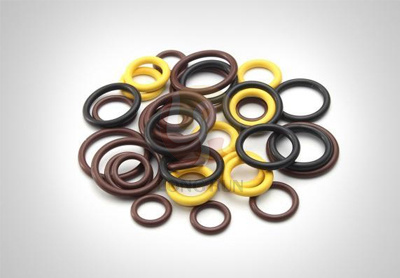
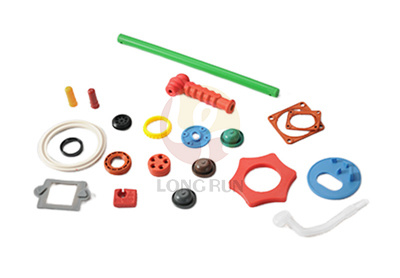
One of the primary applications of rubber bonded metals is in sealing components. The inherent flexibility of rubber allows for effective sealing in environments where traditional materials might fail. This is particularly important in chemical processing plants, where containment of hazardous substances is critical. Gaskets, O-rings, and seals made from rubber bonded metals provide reliable solutions that ensure integrity and safety in operations.
Vibration Damping
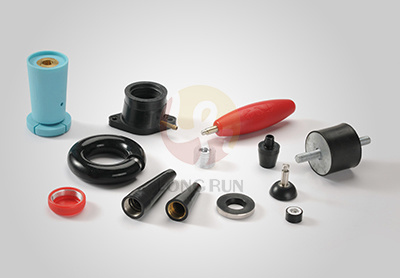
Machinery in the chemical industry often experiences significant vibrations due to operational processes. Rubber bonded metals can absorb and dampen these vibrations, reducing noise and protecting sensitive components from wear. This vibration damping capability extends the life of machinery while enhancing worker comfort and safety.
Insulation Solutions
Thermal and electrical insulation is another crucial application for rubber bonded metals. The rubber component provides excellent insulation properties, while the metal ensures structural integrity. This combination is particularly useful in the chemical industry, where temperature control is essential for maintaining product quality and safety.
Chemical Resistance Applications
Certain rubber bonded metals are engineered to withstand exposure to aggressive chemicals. This resistance is vital in environments where caustic substances are handled. The right selection of rubber type can create a composite that not only endures chemical exposure but also maintains its physical properties over time.
Advantages of Rubber Bonded Metals
The benefits of rubber bonded metals are numerous and contribute to their widespread use in the chemical industry. Some key advantages include:
- **Durability**: These composites are designed to endure extreme conditions, reducing the need for frequent replacements.
- **Flexibility**: The rubber component provides flexibility, allowing for better fitting and adaptability in various applications.
- **Cost-Effectiveness**: By extending the lifespan of equipment and reducing downtime, rubber bonded metals can lead to significant cost savings.
- **Enhanced Safety**: The ability to contain hazardous materials securely decreases the risk of accidents or leaks.
- **Versatile Applications**: Their adaptability makes rubber bonded metals suitable for various uses within the chemical sector.
Future Trends in Rubber Bonded Metals
As technology advances, the development of rubber bonded metals is likely to evolve. Innovations may focus on improving the chemical resistance of rubber compounds, enhancing bonding techniques, and incorporating smart technologies for monitoring performance. Research into biocompatible materials may also open new avenues for applications in pharmaceutical and food processing sectors.
Challenges in the Use of Rubber Bonded Metals
Despite their advantages, there are challenges to consider when using rubber bonded metals. Factors such as the compatibility of rubber with specific chemicals, the required bonding techniques, and the environmental impact of manufacturing processes must be evaluated. Furthermore, sourcing high-quality materials that meet industry standards is critical for ensuring performance and safety.
Conclusion
Rubber bonded metals are versatile materials that provide critical solutions in the chemical industry. Their unique properties enable a wide range of applications, from sealing and insulation to vibration damping and chemical resistance. As the industry continues to evolve, the demand for these composites is likely to increase, driven by the need for enhanced safety, durability, and cost-effectiveness. Understanding their applications and benefits can empower professionals in the field to make informed decisions, ultimately improving operational efficiency and safety.
Frequently Asked Questions
1. What are rubber bonded metals made of?
Rubber bonded metals consist of a metal substrate, such as steel or aluminum, bonded with a layer of rubber, which can be either natural or synthetic.
2. How are rubber bonded metals used in sealing applications?
These materials are used to create gaskets, seals, and O-rings that provide effective sealing for various chemical processes, preventing leaks and ensuring safety.
3. What advantages do rubber bonded metals offer over traditional materials?
Rubber bonded metals provide enhanced durability, flexibility, cost-effectiveness, and improved safety measures compared to traditional materials.
4. How do rubber bonded metals contribute to vibration damping?
The rubber component's elasticity absorbs vibrations, reducing noise and wear on machinery, thereby extending equipment lifespan.
5. Are rubber bonded metals resistant to all chemicals?
While many rubber bonded metals are designed for chemical resistance, their effectiveness depends on the specific type of rubber and the chemicals involved. Always consult material specifications before use.
Related News
The Benefits of Choosing Molded Rubber Balls Over Traditional Alternatives
The Benefits of Choosing Molded Rubber Balls Over Traditional Alternatives Table of Contents Introduction Understanding Molded Rubber Balls Advantages of Molded Rubber Balls Durability and Longevity Cost Efficiency Customizability Versatility in Applications Environmental Impact Comparison with Traditional Alternatives Selection Criteria for Molded Ru
Oct 06,2026
Unlocking the Versatility of Rubber Balls in the Chemical Industry
Rubber balls are a remarkable example of how a simple concept can manifest in numerous applications within the chemical sector and beyond. Their versatility makes them an essential component in various industries, including manufacturing, automotive, and sports. Understanding the properties and potential uses of rubber balls can empower businesses to harness their capabilities effectively. First a
Oct 03,2026
The Vital Role of Rubber Flexible Connectors in Modern Industrial Systems
The Vital Role of Rubber Flexible Connectors in Modern Industrial Systems Rubber flexible connectors are essential components in various industrial applications, playing a crucial role in facilitating the seamless operation of systems that rely on fluid and gas movement. In today's fast-paced industrial landscape, the significance of these connectors cannot be overstated. As industries evolve and
Sep 30,2026
The Versatile World of Rubber Bonded Metal Products
Rubber bonded metal products represent a fascinating intersection of materials science and engineering, combining the flexibility and resilience of rubber with the strength and durability of metal. This unique pairing allows for the creation of products that are not only robust but also capable of absorbing shock, reducing vibrations, and providing a reliable seal against environmental factors. On
Sep 27,2026
Comparing Viton O Rings to Silicone: Which Material Reigns Supreme?
Comparing Viton O Rings to Silicone: Which Material Reigns Supreme? Table of Contents 1. Introduction to O Rings and Their Importance 2. What Are Viton O Rings? 3. What Are Silicone O Rings? 4. Key Differences Between Viton and Silicone O Rings 5. Performance in High Temperatures 6. Chemical Resistance: A Critical Comparison 7. Applications of Viton O Rings 8. Appl
Sep 24,2026

Add: Building # 7, No. 27, Songbai Ling Avenue, Zhonghan Huizhou Industrial Park, Zhongkai High-tech Zone, Huizhou, Guangdong, China 516032

LONGRUN
Privacy Policy | SEO | Support: 300.cn