


The Essential Guide to Rubber Flexible Connectors: Benefits and Applications
Publish:
2026-08-16


Rubber flexible connectors are essential components in a variety of industrial settings, particularly in the chemical and rubber manufacturing sectors. These connectors are designed to accommodate the movement and misalignment of pipes and machinery, providing a reliable solution for a range of applications. Understanding the advantages and functionality of rubber flexible connectors can help busi
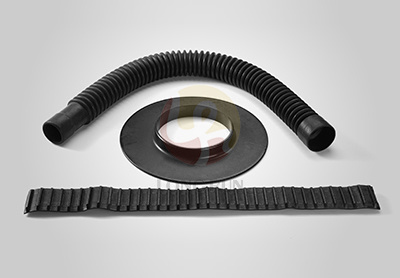
Rubber flexible connectors are essential components in a variety of industrial settings, particularly in the chemical and rubber manufacturing sectors. These connectors are designed to accommodate the movement and misalignment of pipes and machinery, providing a reliable solution for a range of applications. Understanding the advantages and functionality of rubber flexible connectors can help businesses optimize their operations and reduce downtime.
One of the primary benefits of rubber flexible connectors is their ability to absorb vibrations and dampen noise. In industrial environments, machinery often generates significant vibrations that can lead to wear and tear on rigid piping systems. By incorporating rubber flexible connectors, facilities can significantly reduce the impact of these vibrations, thus prolonging the life of the equipment and minimizing maintenance costs.
Moreover, rubber flexible connectors are excellent at handling thermal expansion and contraction. As temperatures fluctuate, materials can expand and contract, which can stress rigid connections and lead to leaks or failures. Rubber flexible connectors maintain their integrity under varying temperatures, allowing for safe and efficient operation in environments where temperature control is crucial.
These connectors are also resistant to a wide range of chemicals, making them particularly useful in the chemical industry. The ability to withstand corrosive substances ensures that rubber flexible connectors maintain their performance and do not compromise the integrity of the system they are part of. This characteristic is vital for ensuring safety and reliability in processes involving hazardous materials.
In terms of installation and maintenance, rubber flexible connectors are relatively easy to work with. They can be quickly installed without requiring specialized tools, which can save time and reduce labor costs. Furthermore, their flexibility allows for easier adjustments during installation, accommodating various configurations and requirements in industrial systems.
When selecting a rubber flexible connector, it is crucial to consider factors such as size, temperature rating, and chemical compatibility. Ensuring the right specifications are met will enhance the performance and longevity of the connector in your application. Additionally, regular inspection and maintenance of these connectors can help identify potential issues before they escalate, ensuring continuous operation and safety.
In conclusion, rubber flexible connectors are indispensable in the chemical and rubber industries. Their ability to absorb vibrations, tolerate thermal expansion, resist chemicals, and facilitate easy installation makes them a preferred choice for many applications. By understanding the importance and benefits of these connectors, businesses can make informed decisions that lead to improved efficiency and reduced operational risks.
One of the primary benefits of rubber flexible connectors is their ability to absorb vibrations and dampen noise. In industrial environments, machinery often generates significant vibrations that can lead to wear and tear on rigid piping systems. By incorporating rubber flexible connectors, facilities can significantly reduce the impact of these vibrations, thus prolonging the life of the equipment and minimizing maintenance costs.
Moreover, rubber flexible connectors are excellent at handling thermal expansion and contraction. As temperatures fluctuate, materials can expand and contract, which can stress rigid connections and lead to leaks or failures. Rubber flexible connectors maintain their integrity under varying temperatures, allowing for safe and efficient operation in environments where temperature control is crucial.
These connectors are also resistant to a wide range of chemicals, making them particularly useful in the chemical industry. The ability to withstand corrosive substances ensures that rubber flexible connectors maintain their performance and do not compromise the integrity of the system they are part of. This characteristic is vital for ensuring safety and reliability in processes involving hazardous materials.
In terms of installation and maintenance, rubber flexible connectors are relatively easy to work with. They can be quickly installed without requiring specialized tools, which can save time and reduce labor costs. Furthermore, their flexibility allows for easier adjustments during installation, accommodating various configurations and requirements in industrial systems.
When selecting a rubber flexible connector, it is crucial to consider factors such as size, temperature rating, and chemical compatibility. Ensuring the right specifications are met will enhance the performance and longevity of the connector in your application. Additionally, regular inspection and maintenance of these connectors can help identify potential issues before they escalate, ensuring continuous operation and safety.
In conclusion, rubber flexible connectors are indispensable in the chemical and rubber industries. Their ability to absorb vibrations, tolerate thermal expansion, resist chemicals, and facilitate easy installation makes them a preferred choice for many applications. By understanding the importance and benefits of these connectors, businesses can make informed decisions that lead to improved efficiency and reduced operational risks.
Related News
The Vital Role of Rubber Flexible Connectors in Modern Industrial Systems
The Vital Role of Rubber Flexible Connectors in Modern Industrial Systems Rubber flexible connectors are essential components in various industrial applications, playing a crucial role in facilitating the seamless operation of systems that rely on fluid and gas movement. In today's fast-paced industrial landscape, the significance of these connectors cannot be overstated. As industries evolve and
Sep 30,2026
The Versatile World of Rubber Bonded Metal Products
Rubber bonded metal products represent a fascinating intersection of materials science and engineering, combining the flexibility and resilience of rubber with the strength and durability of metal. This unique pairing allows for the creation of products that are not only robust but also capable of absorbing shock, reducing vibrations, and providing a reliable seal against environmental factors. On
Sep 27,2026
Comparing Viton O Rings to Silicone: Which Material Reigns Supreme?
Comparing Viton O Rings to Silicone: Which Material Reigns Supreme? Table of Contents 1. Introduction to O Rings and Their Importance 2. What Are Viton O Rings? 3. What Are Silicone O Rings? 4. Key Differences Between Viton and Silicone O Rings 5. Performance in High Temperatures 6. Chemical Resistance: A Critical Comparison 7. Applications of Viton O Rings 8. Appl
Sep 24,2026
Understanding Molded Rubber Balls: Applications, Benefits, and Manufacturing Process
Molded rubber balls are manufactured from elastomeric materials, which are engineered to provide elasticity, resilience, and durability. These properties make them suitable for a variety of applications, ranging from industrial uses to consumer products. The molding process involves heating rubber compounds in a mold, allowing them to take on specific shapes while curing to achieve the desired str
Sep 21,2026
The Science Behind Rubber Balls: How They Bounce and Why It Matters
The Science Behind Rubber Balls: How They Bounce and Why It Matters Table of Contents 1. Introduction to Rubber Balls 2. The Material Properties of Rubber 3. How Rubber Balls Achieve Bounce 4. Manufacturing Processes of Rubber Balls 5. Applications of Rubber Balls in Sports 6. The Impact of Rubber Balls on Performance 7. Environmental Considerations in Rubber Ball Prod
Sep 18,2026

Add: Building # 7, No. 27, Songbai Ling Avenue, Zhonghan Huizhou Industrial Park, Zhongkai High-tech Zone, Huizhou, Guangdong, China 516032

LONGRUN
Privacy Policy | SEO | Support: 300.cn