


Exploring the Benefits of Rubber Bonded Metal Products in Various Industries
Publish:
2026-08-13


Exploring the Benefits of Rubber Bonded Metal Products in Various Industries
Table of Contents
1. Introduction to Rubber Bonded Metal Products
2. What are Rubber Bonded Metal Products?
3. Key Advantages of Rubber Bonded Metal Products
3.1 Durability and Longevity
3.2 Vibration Damping Properties
3.3 Corrosion Resistance
3.4 Ligh
Exploring the Benefits of Rubber Bonded Metal Products in Various Industries
Table of Contents
- 1. Introduction to Rubber Bonded Metal Products
- 2. What are Rubber Bonded Metal Products?
- 3. Key Advantages of Rubber Bonded Metal Products
- 3.1 Durability and Longevity
- 3.2 Vibration Damping Properties
- 3.3 Corrosion Resistance
- 3.4 Lightweight Solutions
- 4. Applications Across Various Industries
- 4.1 Automotive Industry
- 4.2 Aerospace Industry
- 4.3 Construction Industry
- 4.4 Electronics Industry
- 4.5 Medical Industry
- 5. Manufacturing Techniques of Rubber Bonded Metal Products
- 6. Case Studies: Success Stories
- 7. The Future of Rubber Bonded Metal Products
- 8. Conclusion
- 9. Frequently Asked Questions
1. Introduction to Rubber Bonded Metal Products
In contemporary manufacturing, the integration of rubber with metal has emerged as a pivotal innovation. Rubber bonded metal products represent a unique fusion of materials that leverage the strengths of both substances. By binding rubber to metal, manufacturers create components that exhibit remarkable performance characteristics. This article explores the extensive benefits and applications of rubber bonded metal products across various sectors.
2. What are Rubber Bonded Metal Products?
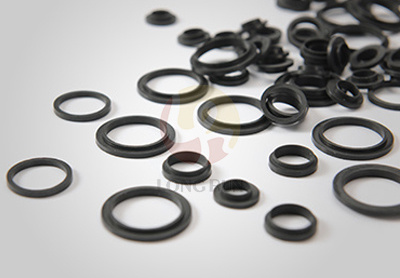
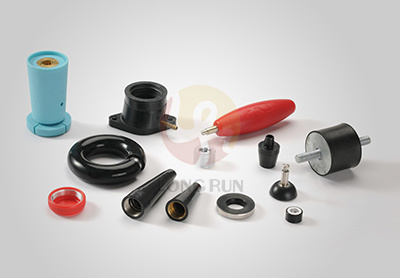
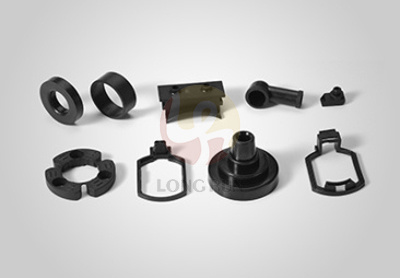
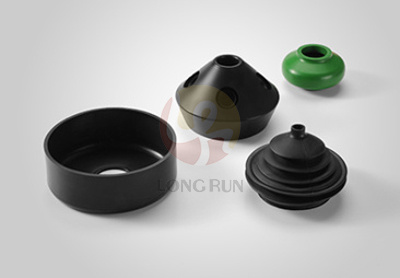
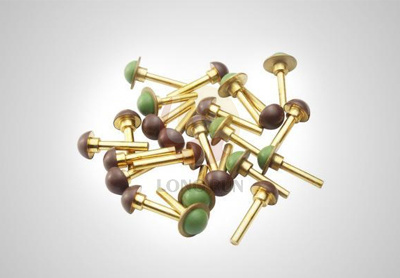
Rubber bonded metal products are composite materials that involve the adhesion of rubber to metal surfaces, forming a strong, durable bond. This process typically entails the use of specialized adhesives or vulcanization techniques, which enhance the bond's integrity. The combination of rubber’s elasticity with metal’s strength results in products that can withstand harsh environments, absorb shocks, and resist wear.
3. Key Advantages of Rubber Bonded Metal Products
Rubber bonded metal products offer a myriad of advantages, making them an ideal choice for various industrial applications. Here, we delve into some of the most significant benefits.
3.1 Durability and Longevity
One of the most compelling advantages of rubber bonded metal products is their exceptional durability. The rubber layer provides a protective barrier that shields the metal from environmental stresses, including moisture, heat, and chemicals. This protection significantly prolongs the lifespan of components, reducing the need for frequent replacements and repairs.
3.2 Vibration Damping Properties
Rubber bonded metal products are renowned for their ability to dampen vibrations. This characteristic is particularly advantageous in industries where machinery and equipment operate under high-frequency conditions. By absorbing vibrations, these products minimize noise, enhance operational safety, and improve overall comfort for operators.
3.3 Corrosion Resistance
The rubber component of bonded products provides excellent corrosion resistance. This property is critical in industries such as automotive and marine, where metal parts are exposed to corrosive elements. Rubber acts as a barrier, preventing direct contact between the metal and harmful substances, thereby extending the life of components.
3.4 Lightweight Solutions
In many applications, reducing weight without compromising strength is essential. Rubber bonded metal products are inherently lightweight compared to solid metal components, making them suitable for applications where weight reduction can lead to improved energy efficiency and performance.
4. Applications Across Various Industries
The versatility of rubber bonded metal products allows for their application in numerous industries. Below, we explore some key sectors where these innovative materials are making a significant impact.
4.1 Automotive Industry
In the automotive sector, rubber bonded metal products are used in various applications, including engine mounts, suspension components, and noise dampening systems. Their ability to absorb vibrations and impacts enhances vehicle performance and passenger comfort.
4.2 Aerospace Industry
The aerospace industry demands materials that can withstand extreme conditions while ensuring safety and reliability. Rubber bonded metal products are utilized in components such as seals, gaskets, and vibration isolators, where their lightweight and durable characteristics are crucial.
4.3 Construction Industry
In construction, these products are employed in building vibration isolation systems, expansion joints, and weather seals. Their resilience against environmental factors ensures structural integrity and longevity.
4.4 Electronics Industry
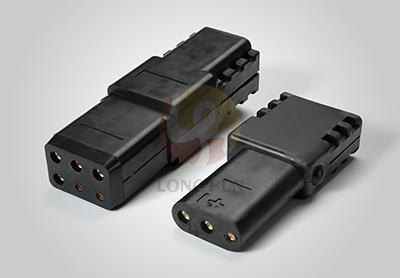
The electronics sector benefits from rubber bonded metal products in applications such as connectors and housings, where protection against moisture and mechanical stress is vital for product reliability.
4.5 Medical Industry
In the medical field, rubber bonded metal products are vital for devices that require sterilization and durability, such as surgical instruments and medical equipment casings. Their non-reactive properties make them ideal for sensitive applications.
5. Manufacturing Techniques of Rubber Bonded Metal Products
The production of rubber bonded metal products involves various manufacturing techniques, including compression molding, injection molding, and vulcanization. Understanding these processes is essential for optimizing product performance and ensuring quality.
Compression molding is often used to create rubber components, allowing for precise control over thickness and material distribution. Injection molding can produce complex shapes and high volumes efficiently. Vulcanization, a chemical process that cross-links rubber molecules, enhances the durability and elasticity of the rubber, ensuring a strong bond with the metal.
6. Case Studies: Success Stories
Several companies have successfully integrated rubber bonded metal products into their operations, achieving enhanced performance and cost savings. For instance, a major automotive manufacturer implemented rubber bonded engine mounts, resulting in a significant reduction in noise and vibration, leading to a more comfortable driving experience. Another case involved an aerospace company that used these materials for vibration dampers, improving equipment longevity and reliability.
7. The Future of Rubber Bonded Metal Products
As industries continue to evolve, the demand for innovative materials like rubber bonded metal products is expected to grow. Advancements in manufacturing technology and material science will likely lead to even greater improvements in product performance, sustainability, and cost-effectiveness. Future applications may include smart materials that respond to environmental changes, further expanding the scope of rubber bonded metal products.
8. Conclusion
Rubber bonded metal products offer a unique combination of durability, lightweight properties, and vibration damping capabilities that benefit numerous industries. Their versatility and performance make them an ideal choice for applications ranging from automotive to aerospace and beyond. As manufacturing technologies advance, we can anticipate even greater innovations in this field, paving the way for enhanced product performance and sustainability.
9. Frequently Asked Questions
What are the primary uses of rubber bonded metal products?
Rubber bonded metal products are primarily used in automotive, aerospace, construction, electronics, and medical industries for applications requiring durability, vibration dampening, and corrosion resistance.
How are rubber bonded metal products manufactured?
These products are manufactured through techniques such as compression molding, injection molding, and vulcanization, which enhance the bond between rubber and metal.
What advantages do rubber bonded metal products offer over traditional materials?
They offer superior durability, weight reduction, vibration damping, and corrosion resistance compared to traditional metal components.
Can rubber bonded metal products be customized for specific applications?
Yes, these products can be customized in terms of size, shape, and material properties to meet the specific requirements of various applications.
Are rubber bonded metal products environmentally friendly?
Many rubber bonded metal products are designed with sustainability in mind, utilizing recyclable materials and processes that minimize environmental impact.
Related News
Understanding Rubber Flexible Connectors: Essential Components for Chemical Applications
Rubber flexible connectors are vital components in various industrial applications, particularly within the chemical sector. These specialized connectors are designed to accommodate movement, vibrations, and misalignments between two systems, ensuring secure and reliable connections. Their unique properties make them ideal for handling the rigors of chemical processing, where flexibility, durabili
Nov 10,2026
The Role of Rubber Bonded Metal Products in Improving Industrial Efficiency
The Role of Rubber Bonded Metal Products in Improving Industrial Efficiency Table of Contents Introduction Understanding Rubber Bonded Metal Products Historical Development of Rubber Bonded Metal Technology Benefits of Rubber Bonded Metal Products Applications in Industrial Settings Impact on Industrial Efficiency Future Trends and Innovations Frequently Asked Ques
Oct 12,2026
The Essential Guide to Viton O-Rings: Key Benefits and Applications
Viton O-rings are vital components in various industrial applications, particularly in the chemical and rubber products sector. Known for their exceptional performance, these O-rings are made from a type of fluoroelastomer that exhibits remarkable resistance to heat, chemicals, and aging. This unique combination of properties makes Viton O-rings an ideal choice for demanding environments where tra
Oct 09,2026
The Benefits of Choosing Molded Rubber Balls Over Traditional Alternatives
The Benefits of Choosing Molded Rubber Balls Over Traditional Alternatives Table of Contents Introduction Understanding Molded Rubber Balls Advantages of Molded Rubber Balls Durability and Longevity Cost Efficiency Customizability Versatility in Applications Environmental Impact Comparison with Traditional Alternatives Selection Criteria for Molded Ru
Oct 06,2026
Unlocking the Versatility of Rubber Balls in the Chemical Industry
Rubber balls are a remarkable example of how a simple concept can manifest in numerous applications within the chemical sector and beyond. Their versatility makes them an essential component in various industries, including manufacturing, automotive, and sports. Understanding the properties and potential uses of rubber balls can empower businesses to harness their capabilities effectively. First a
Oct 03,2026

Add: Building # 7, No. 27, Songbai Ling Avenue, Zhonghan Huizhou Industrial Park, Zhongkai High-tech Zone, Huizhou, Guangdong, China 516032

LONGRUN
Privacy Policy | SEO | Support: 300.cn