


How Quality Fiber Reinforced Diaphragms Enhance Performance in Chemical Engineering
Publish:
2026-01-02


How Quality Fiber Reinforced Diaphragms Enhance Performance in Chemical Engineering
Table of Contents
1. Introduction to Fiber Reinforced Diaphragms
2. The Importance of Quality in Diaphragm Manufacturing
3. Material Composition and Its Impact
4. Performance Benefits of Fiber Reinforced Diaphragms
5. Applications in Chemical Engineering
6. Comparison with Traditional Diaph
How Quality Fiber Reinforced Diaphragms Enhance Performance in Chemical Engineering
Table of Contents
- 1. Introduction to Fiber Reinforced Diaphragms
- 2. The Importance of Quality in Diaphragm Manufacturing
- 3. Material Composition and Its Impact
- 4. Performance Benefits of Fiber Reinforced Diaphragms
- 5. Applications in Chemical Engineering
- 6. Comparison with Traditional Diaphragms
- 7. Challenges in Implementation and Solutions
- 8. The Future of Fiber Reinforced Diaphragms
- 9. Frequently Asked Questions
- 10. Conclusion
1. Introduction to Fiber Reinforced Diaphragms
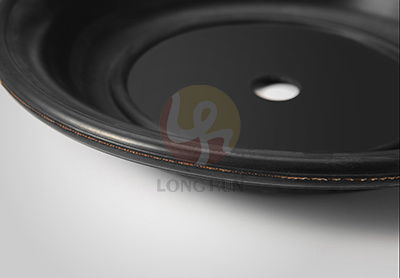
In the realm of chemical engineering, **fiber reinforced diaphragms** have emerged as essential components in various applications. These diaphragms are designed to withstand extreme conditions, ensuring durability and reliability in critical processes. Unlike traditional diaphragms, fiber reinforced options integrate advanced materials that enhance performance, making them indispensable in modern industrial setups.
2. The Importance of Quality in Diaphragm Manufacturing
Quality is paramount in the manufacturing of fiber reinforced diaphragms. High-quality materials and precise engineering directly influence the performance and lifespan of these components. When **manufacturers prioritize quality**, they ensure that their products can endure the stresses and strains typical in chemical engineering environments. The importance of selecting robust materials cannot be overstated, as it impacts not only operational efficiency but also safety.
2.1 Quality Control Processes
Implementing rigorous **quality control processes** during manufacturing ensures that each diaphragm meets the required specifications. These processes typically involve:
- Material testing for strength and flexibility
- Dimensional accuracy checks
- Performance testing under simulated operational conditions
These steps help in producing diaphragms that are reliable and effective in their roles.
3. Material Composition and Its Impact
The material composition of fiber reinforced diaphragms is critical in determining their effectiveness. Common materials used include various types of **polymer fibers**, elastomers, and composites. Each material offers unique properties that can enhance the diaphragm's performance.
3.1 Types of Reinforcement
The choice of reinforcement plays a pivotal role. **Glass fibers**, for instance, are renowned for their high tensile strength and resistance to chemical corrosion, making them ideal for harsh environments. On the other hand, **carbon fibers** provide exceptional stiffness and lightweight characteristics, which can lead to improved efficiency in applications.
3.2 Importance of Chemical Resistance
In chemical engineering, diaphragms frequently encounter aggressive substances. Thus, **chemical resistance** in material selection is essential to prevent degradation and ensure longevity. Properly selected materials can withstand exposure to acids, bases, and solvents without compromising structural integrity.
4. Performance Benefits of Fiber Reinforced Diaphragms
The integration of fiber reinforcement significantly enhances the performance of diaphragms in several ways.
4.1 Enhanced Strength and Durability
Fiber reinforced diaphragms offer superior strength compared to non-reinforced options. They can handle higher pressures and thermal fluctuations, ensuring consistent performance over time. This durability translates to lower maintenance costs and reduced downtime, increasing overall operational efficiency.
4.2 Improved Flexibility and Responsiveness
Flexibility is another critical advantage. Fiber reinforced diaphragms maintain their shape and functionality even under substantial stress. This characteristic allows for better responsiveness in dynamic systems, which is essential in controlling **fluid flow** and pressure.
4.3 Weight Reduction
One of the often-overlooked benefits is the potential for weight reduction. By utilizing lightweight materials, fiber reinforced diaphragms can contribute to the overall efficiency of machinery, reducing energy consumption during operation.
5. Applications in Chemical Engineering
Fiber reinforced diaphragms find applications in various sectors within chemical engineering, including:
5.1 Pump Systems
In pump systems, these diaphragms ensure reliable operation, maintaining pressure and preventing leaks. Their durability extends the lifespan of the pump, thereby enhancing overall system reliability.
5.2 Valve Actuators
In valve actuators, fiber reinforced diaphragms provide the necessary force to operate valves efficiently, ensuring precise control of fluid dynamics in complex processes.
5.3 Pressure Regulators
In pressure regulators, they play a crucial role in maintaining consistent pressure levels, which is essential for safety and efficiency in chemical processing.
6. Comparison with Traditional Diaphragms
When comparing fiber reinforced diaphragms to traditional options, several key differences emerge:
6.1 Performance Metrics
Fiber reinforced diaphragms outperform traditional alternatives in nearly all performance metrics, including strength, durability, and flexibility.
6.2 Cost-Effectiveness
While the initial investment may be higher, the long-term benefits—such as reduced maintenance and downtime—make fiber reinforced diaphragms a more cost-effective solution.
6.3 Lifespan Considerations
Their enhanced durability leads to an extended lifespan, further justifying the investment in high-quality materials.
7. Challenges in Implementation and Solutions
Despite their advantages, implementing fiber reinforced diaphragms can present challenges.
7.1 Initial Costs
The initial costs can be a barrier for some manufacturers. However, evaluating the long-term benefits can mitigate these concerns.
7.2 Compatibility Issues
Ensuring compatibility with existing systems requires careful consideration during the design and selection process. Collaborating with suppliers who understand the specific requirements of chemical applications can help alleviate these issues.
7.3 Training and Knowledge Gaps
Training staff to handle and maintain these advanced components is crucial. Investing in education and training can lead to more effective implementation and utilization.
8. The Future of Fiber Reinforced Diaphragms
The future of fiber reinforced diaphragms in chemical engineering looks promising. As technology evolves, we can expect advancements in materials and manufacturing processes that will further enhance their performance. Innovations such as smart materials that adapt to changing conditions could revolutionize diaphragm technology, making them even more effective in various applications.
9. Frequently Asked Questions
9.1 What are fiber reinforced diaphragms?
Fiber reinforced diaphragms are components made from composite materials that include fibers, enhancing their strength, flexibility, and reliability in demanding chemical engineering environments.
9.2 How do fiber reinforced diaphragms improve performance?
These diaphragms provide superior strength, durability, and flexibility, allowing them to withstand extreme conditions and ensure operational efficiency.
9.3 Are fiber reinforced diaphragms worth the investment?
Yes, although they may have higher upfront costs, their long-term benefits in terms of reduced maintenance and increased lifespan make them a cost-effective choice.
9.4 What industries use fiber reinforced diaphragms?
They are widely used in industries such as chemical processing, pharmaceuticals, oil and gas, and water treatment.
9.5 How should I maintain fiber reinforced diaphragms?
Regular inspections, ensuring compatibility with fluids, and following manufacturer guidelines can help maintain their integrity and performance.
10. Conclusion
In conclusion, **quality fiber reinforced diaphragms** play a vital role in enhancing performance within chemical engineering. Their superior material properties, coupled with the importance of quality manufacturing, provide significant benefits across various applications. As industries continue to seek efficient and reliable solutions, investing in these advanced components will undoubtedly lead to improved operational outcomes and long-term success. The future of diaphragm technology holds exciting possibilities, ensuring that fiber reinforced options will remain at the forefront of innovation in the chemical engineering landscape.
Related News
The Benefits of Choosing Molded Rubber Balls Over Traditional Alternatives
The Benefits of Choosing Molded Rubber Balls Over Traditional Alternatives Table of Contents Introduction Understanding Molded Rubber Balls Advantages of Molded Rubber Balls Durability and Longevity Cost Efficiency Customizability Versatility in Applications Environmental Impact Comparison with Traditional Alternatives Selection Criteria for Molded Ru
Oct 06,2026
Unlocking the Versatility of Rubber Balls in the Chemical Industry
Rubber balls are a remarkable example of how a simple concept can manifest in numerous applications within the chemical sector and beyond. Their versatility makes them an essential component in various industries, including manufacturing, automotive, and sports. Understanding the properties and potential uses of rubber balls can empower businesses to harness their capabilities effectively. First a
Oct 03,2026
The Vital Role of Rubber Flexible Connectors in Modern Industrial Systems
The Vital Role of Rubber Flexible Connectors in Modern Industrial Systems Rubber flexible connectors are essential components in various industrial applications, playing a crucial role in facilitating the seamless operation of systems that rely on fluid and gas movement. In today's fast-paced industrial landscape, the significance of these connectors cannot be overstated. As industries evolve and
Sep 30,2026
The Versatile World of Rubber Bonded Metal Products
Rubber bonded metal products represent a fascinating intersection of materials science and engineering, combining the flexibility and resilience of rubber with the strength and durability of metal. This unique pairing allows for the creation of products that are not only robust but also capable of absorbing shock, reducing vibrations, and providing a reliable seal against environmental factors. On
Sep 27,2026
Comparing Viton O Rings to Silicone: Which Material Reigns Supreme?
Comparing Viton O Rings to Silicone: Which Material Reigns Supreme? Table of Contents 1. Introduction to O Rings and Their Importance 2. What Are Viton O Rings? 3. What Are Silicone O Rings? 4. Key Differences Between Viton and Silicone O Rings 5. Performance in High Temperatures 6. Chemical Resistance: A Critical Comparison 7. Applications of Viton O Rings 8. Appl
Sep 24,2026

Add: Building # 7, No. 27, Songbai Ling Avenue, Zhonghan Huizhou Industrial Park, Zhongkai High-tech Zone, Huizhou, Guangdong, China 516032

LONGRUN
Privacy Policy | SEO | Support: 300.cn