
Why Automotive Engineers Prefer Viton O-Rings: Insights and Benefits
Publish:
2025-12-29


Why Automotive Engineers Prefer Viton O-Rings: Insights and Benefits
Table of Contents
1. Introduction to Viton O-Rings
2. What is Viton?
3. Advantages of Viton O-Rings in Automotive Engineering
4. Exceptional Chemical Resistance
5. High Temperature Resistance
6. Durability and Longevity of Viton O-Rings
7. Cost-Effectiveness in the Long Run
8. Common Applications
Why Automotive Engineers Prefer Viton O-Rings: Insights and Benefits
Table of Contents
- 1. Introduction to Viton O-Rings
- 2. What is Viton?
- 3. Advantages of Viton O-Rings in Automotive Engineering
- 4. Exceptional Chemical Resistance
- 5. High Temperature Resistance
- 6. Durability and Longevity of Viton O-Rings
- 7. Cost-Effectiveness in the Long Run
- 8. Common Applications of Viton O-Rings in Automotive
- 9. Conclusion
- 10. Frequently Asked Questions (FAQs)
1. Introduction to Viton O-Rings
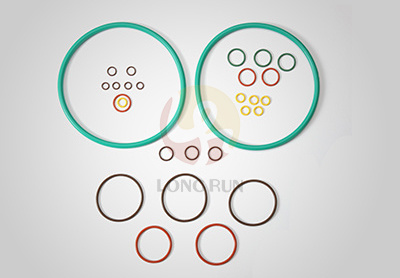
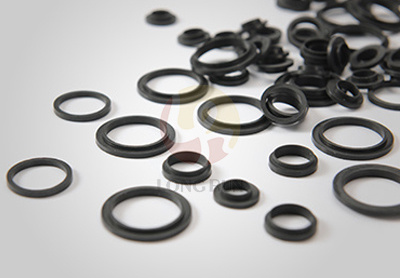
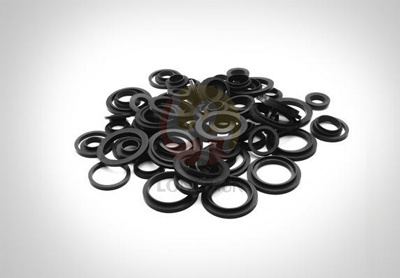
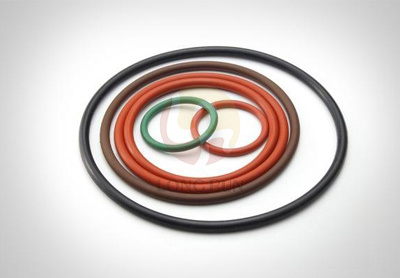
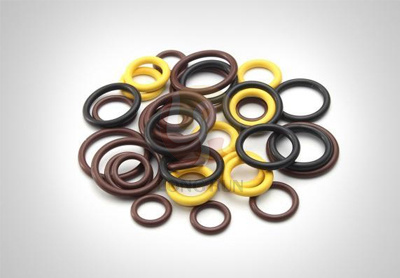
In the ever-evolving automotive industry, engineers are constantly on the lookout for materials that enhance performance and reliability. **Viton O-rings** have emerged as a favored choice in a variety of automotive applications. Known for their remarkable properties, Viton O-rings stand out due to their superior resistance to heat, chemicals, and wear. This article aims to explore the **insights and benefits** that make Viton O-rings a preferred option for automotive engineers.
2. What is Viton?
Viton is a brand name for a type of synthetic rubber known as **fluoroelastomer**. It was developed by DuPont in the 1950s and is characterized by its high-performance properties. The unique chemical composition of Viton includes fluorine, which contributes to its exceptional resilience against harsh environments. Automotive engineers rely on Viton O-rings for applications requiring **robust sealing solutions** that can withstand extreme conditions.
3. Advantages of Viton O-Rings in Automotive Engineering
Viton O-rings offer numerous advantages that have positioned them as a top choice for automotive applications. These benefits include:
4. Exceptional Chemical Resistance
One of the standout features of Viton O-rings is their **exceptional chemical resistance**. Automotive systems often utilize various fluids and chemicals, including oils, fuels, and solvents. Viton exhibits remarkable resistance to a wide range of chemicals, ensuring that O-rings maintain their integrity and seal quality over time. This resistance minimizes the risk of leaks and prolongs the lifespan of automotive components.
5. High Temperature Resistance
Automotive environments can be extremely hot, especially near engines and exhaust systems. Viton O-rings can withstand high temperatures, typically ranging from -20°F to 400°F (-29°C to 204°C), with some formulations even capable of higher limits. This **temperature resilience** ensures that Viton O-rings perform reliably in critical applications, including fuel systems, transmission systems, and HVAC components.
6. Durability and Longevity of Viton O-Rings
The durability of Viton O-rings significantly contributes to their appeal. Unlike traditional rubber materials, Viton is resistant to wear and degradation over time. This means that automotive engineers can trust Viton O-rings to deliver **consistent performance** throughout their operational life, reducing the need for frequent replacements. This long-lasting performance translates to lower maintenance costs and improved efficiency.
7. Cost-Effectiveness in the Long Run
While the initial cost of Viton O-rings may be higher than that of standard rubber options, their long-term performance and reliability often make them more cost-effective. Fewer replacements, lower maintenance expenses, and reduced downtime contribute to overall savings. Automotive engineers recognize that investing in Viton O-rings can lead to significant cost benefits over the life of the vehicle or component.
8. Common Applications of Viton O-Rings in Automotive
Viton O-rings find application across a wide range of automotive systems. Some common uses include:
- **Fuel Systems**: Viton O-rings ensure leak-proof seals in fuel injectors and fuel pumps, maintaining optimal fuel efficiency.
- **Transmission Seals**: They provide reliable sealing in automatic and manual transmission systems, reducing the risk of fluid leaks.
- **HVAC Systems**: Viton O-rings help maintain airtight seals in heating, ventilation, and air conditioning units, enhancing climate control in vehicles.
- **Engine Seals**: Used in various engine components, Viton O-rings withstand the high temperatures and corrosive environments typical in engines.
9. Conclusion
The adoption of **Viton O-rings** in automotive engineering is driven by their unparalleled advantages, including exceptional chemical resistance, high-temperature resilience, durability, and long-term cost-effectiveness. As automotive technology continues to advance, the demand for reliable sealing solutions like Viton O-rings will only increase. Automotive engineers have clearly recognized that these O-rings are not just seals; they are critical components that enhance the overall performance and reliability of automotive systems.
10. Frequently Asked Questions (FAQs)
1. What are the main benefits of using Viton O-rings in automotive applications?
Viton O-rings offer superior chemical resistance, high-temperature endurance, durability, and long-term cost-effectiveness, making them ideal for various automotive systems.
2. How do Viton O-rings compare to standard rubber O-rings?
Viton O-rings outperform standard rubber in terms of chemical resistance and temperature durability, making them a more reliable choice for demanding automotive environments.
3. Where are Viton O-rings commonly used in vehicles?
They are commonly used in fuel systems, transmission seals, HVAC systems, and engine components to ensure reliable sealing and prevent leaks.
4. Are Viton O-rings suitable for all automotive fluids?
Yes, Viton O-rings are compatible with a wide range of automotive fluids, including oils, fuels, and solvents.
5. What is the lifespan of a Viton O-ring in automotive applications?
The lifespan can vary based on specific conditions, but Viton O-rings generally last longer than standard rubber due to their durability and resistance to wear and degradation.
Prev:
Related News
Why Automotive Engineers Prefer Viton O-Rings: Insights and Benefits
Why Automotive Engineers Prefer Viton O-Rings: Insights and Benefits Table of Contents 1. Introduction to Viton O-Rings 2. What is Viton? 3. Advantages of Viton O-Rings in Automotive Engineering 4. Exceptional Chemical Resistance 5. High Temperature Resistance 6. Durability and Longevity of Viton O-Rings 7. Cost-Effectiveness in the Long Run 8. Common Applications
Dec 29,2025
Exploring the Versatility of Industrial Use Rubber Bonded Metal Products
Industrial use rubber bonded metal products are composite materials that combine rubber and metal to create versatile components suited for a wide range of applications. These products leverage the unique properties of both materials, effectively addressing challenges in various industrial settings, especially in the chemical and rubber industries. Rubber bonded metal products typically consist o
Dec 24,2025
Rubber Flexible Connector: Reliable Solution for Vibration and Noise Control
Rubber flexible connectors absorb vibration, reduce noise, and compensate for pipe movement, protecting pipelines and equipment in various systems.
Dec 23,2025
The Comprehensive Guide to the Manufacturing Process of Customized Molded Rubber Balls: A Deep Dive
The Comprehensive Guide to the Manufacturing Process of Customized Molded Rubber Balls: A Deep Dive Table of Contents Introduction to Customized Molded Rubber Balls Understanding Rubber Materials Used in Manufacturing The Design Process for Customized Rubber Balls Molding Techniques for Rubber Balls Quality Control Measures in Rubber Ball Manufacturing Applications of Cust
Dec 22,2025
Understanding Quality Fiber Reinforced Diaphragms: A Key Component in Chemical Applications
Fiber reinforced diaphragms are pivotal components in various industrial applications, particularly within the chemical sector. Their design and material composition significantly influence their performance, making quality a critical consideration. A quality fiber reinforced diaphragm typically consists of a composite material that enhances strength, durability, and resistance to various chemical
Dec 19,2025

Add: Building # 7, No. 27, Songbai Ling Avenue, Zhonghan Huizhou Industrial Park, Zhongkai High-tech Zone, Huizhou, Guangdong, China 516032

LONGRUN
Privacy Policy | SEO | Support: 300.cn