The Comprehensive Guide to the Manufacturing Process of Customized Molded Rubber Balls: A Deep Dive
Publish:
2025-12-22


The Comprehensive Guide to the Manufacturing Process of Customized Molded Rubber Balls: A Deep Dive
Table of Contents
Introduction to Customized Molded Rubber Balls
Understanding Rubber Materials Used in Manufacturing
The Design Process for Customized Rubber Balls
Molding Techniques for Rubber Balls
Quality Control Measures in Rubber Ball Manufacturing
Applications of Cust
The Comprehensive Guide to the Manufacturing Process of Customized Molded Rubber Balls: A Deep Dive
Table of Contents
- Introduction to Customized Molded Rubber Balls
- Understanding Rubber Materials Used in Manufacturing
- The Design Process for Customized Rubber Balls
- Molding Techniques for Rubber Balls
- Quality Control Measures in Rubber Ball Manufacturing
- Applications of Customized Molded Rubber Balls
- Benefits of Customizing Rubber Balls
- Eco-Friendly Practices in Rubber Manufacturing
- Frequently Asked Questions
- Conclusion
Introduction to Customized Molded Rubber Balls
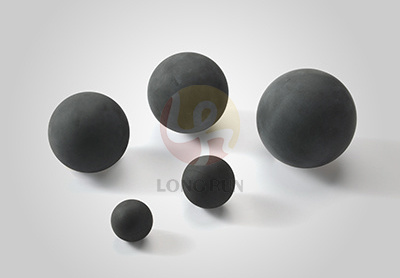
Customized molded rubber balls play a crucial role in various industries, ranging from sports to medical applications. These balls are not just simple spheres; they are engineered products designed to meet specific requirements. The manufacturing process involves several stages, including material selection, design, molding, and quality control. Understanding these stages is essential for anyone interested in the production of customized rubber balls.
Understanding Rubber Materials Used in Manufacturing
The choice of rubber material is fundamental in the production of customized molded rubber balls. Different types of rubber offer unique properties, making them suitable for various applications.
Types of Rubber Used
Natural rubber, synthetic rubber, and specialized elastomers are the primary materials used in the manufacturing process.
- Nitrile Rubber (NBR): Known for its excellent oil and wear resistance, NBR is often used in applications requiring durability.
- Silicone Rubber: Silicone is highly flexible and withstands extreme temperatures, making it ideal for specialized applications.
- EPDM Rubber: Ethylene Propylene Diene Monomer (EPDM) offers superior weather resistance, which is perfect for outdoor applications.
Factors Influencing Material Selection
When selecting materials, factors such as elasticity, hardness, temperature resistance, and environmental exposure must be considered. The combination of these properties determines the end-use performance of the rubber balls.
The Design Process for Customized Rubber Balls
Designing a customized rubber ball involves collaboration between engineers and clients to ensure that the final product meets specific functional and aesthetic requirements.
Initial Consultation and Requirements Gathering
The design process starts with an in-depth consultation to understand the client’s needs. This includes determining the ball's size, shape, color, and intended use.
Prototyping and CAD Modeling
Once the requirements are established, engineers create a Computer-Aided Design (CAD) model. This phase may involve prototyping, where a sample ball is produced for testing before proceeding to mass production.
Molding Techniques for Rubber Balls
The molding process is where the raw materials are transformed into finished products. There are several techniques, each with its advantages.
Compression Molding
In compression molding, rubber is placed in a heated mold where it is compressed to form the desired shape. This method is suitable for large production runs of simple shapes.
Injection Molding
Injection molding involves injecting molten rubber into a mold under high pressure. This technique allows for precise control of shape and dimensions, making it ideal for complex designs.
Transfer Molding
Transfer molding combines elements of both compression and injection molding. Rubber is preheated and then transferred into a mold through a runner system. This method is beneficial for creating intricate designs.
Quality Control Measures in Rubber Ball Manufacturing
Quality control is critical in ensuring that the customized molded rubber balls meet industry standards and client specifications.
Testing for Durability and Performance
Each batch of rubber balls undergoes rigorous testing to assess their durability, elasticity, and resistance to environmental factors. Tests may include tensile strength tests, tear resistance tests, and compression set tests.
Certification and Compliance
Manufacturers must comply with various regulations and standards, such as ASTM and ISO certifications, to guarantee product safety and performance.
Applications of Customized Molded Rubber Balls
Customized molded rubber balls find applications across various sectors, showcasing their versatility.
Sports Industry
In sports, customized rubber balls are used in games like basketball, soccer, and volleyball. Their performance characteristics can be tailored to enhance grip and control.
Medical Applications
In the medical field, these rubber balls are used in stress relief products and rehabilitation equipment. Customization ensures that they meet specific therapeutic needs.
Industrial Uses
Industries utilize molded rubber balls for seals, gaskets, and even as components in machinery. Custom solutions help improve efficiency and performance in these applications.
Benefits of Customizing Rubber Balls
Customization provides several advantages that enhance the usability and effectiveness of rubber balls.
Enhanced Performance
Customized rubber balls can be engineered to meet specific performance criteria, ensuring they perform optimally for their intended use.
Branding Opportunities
Customization allows businesses to incorporate their branding elements, which can enhance marketing and visibility in competitive markets.
Cost Efficiency
While initial costs may be higher for customized solutions, the long-term benefits often lead to reduced expenses, as these products are designed to last.
Eco-Friendly Practices in Rubber Manufacturing
As sustainability becomes increasingly important, many manufacturers are adopting eco-friendly practices in the production of rubber balls.
Use of Recycled Materials
Incorporating recycled rubber into the manufacturing process helps reduce waste and promotes environmental stewardship.
Energy-efficient Manufacturing Processes
Implementing energy-efficient machinery and practices can significantly lower the carbon footprint associated with rubber ball production.
Frequently Asked Questions
1. What materials are commonly used for manufacturing customized molded rubber balls?
Natural rubber, synthetic rubber like Nitrile and Silicone, and specialized elastomers are commonly used.
2. How is the quality of rubber balls ensured during manufacturing?
Quality is ensured through rigorous testing for durability, elasticity, and compliance with industry standards.
3. What advantages does customization offer in rubber ball manufacturing?
Customization enhances performance, allows for branding opportunities, and can provide cost efficiency in the long run.
4. What industries utilize customized molded rubber balls?
Industries range from sports and medical to industrial applications, each benefiting from tailored rubber ball solutions.
5. Are eco-friendly practices integrated into rubber ball manufacturing?
Yes, many manufacturers are adopting sustainable practices such as using recycled materials and energy-efficient processes.
Conclusion
The manufacturing process behind customized molded rubber balls is a complex and detailed endeavor that requires careful consideration of materials, design, and production techniques. As industries continue to evolve, the demand for high-quality, customized solutions is greater than ever. By understanding the intricacies of this manufacturing process, businesses can make informed decisions that enhance performance and meet specific needs. Investing in customized molded rubber balls not only improves functionality but also offers branding and sustainability opportunities, ensuring that products meet the challenges of the future.
Related News
Rubber Flexible Connector: Reliable Solution for Vibration and Noise Control
Rubber flexible connectors absorb vibration, reduce noise, and compensate for pipe movement, protecting pipelines and equipment in various systems.
Dec 23,2025
The Comprehensive Guide to the Manufacturing Process of Customized Molded Rubber Balls: A Deep Dive
The Comprehensive Guide to the Manufacturing Process of Customized Molded Rubber Balls: A Deep Dive Table of Contents Introduction to Customized Molded Rubber Balls Understanding Rubber Materials Used in Manufacturing The Design Process for Customized Rubber Balls Molding Techniques for Rubber Balls Quality Control Measures in Rubber Ball Manufacturing Applications of Cust
Dec 22,2025
Understanding Quality Fiber Reinforced Diaphragms: A Key Component in Chemical Applications
Fiber reinforced diaphragms are pivotal components in various industrial applications, particularly within the chemical sector. Their design and material composition significantly influence their performance, making quality a critical consideration. A quality fiber reinforced diaphragm typically consists of a composite material that enhances strength, durability, and resistance to various chemical
Dec 19,2025
The Essential Contribution of Rubber Bellows Manufacturers to Vehicle Durability
The Essential Contribution of Rubber Bellows Manufacturers to Vehicle Durability In the automotive industry, the durability of a vehicle is paramount. It not only affects performance but also influences safety and comfort. Among the many components that contribute to a vehicle's longevity, rubber bellows play a crucial role. This article delves into the significance of rubber bellows manufacturers
Dec 17,2025
Exploring the Role of Viton O-Rings in the Automotive Industry
Viton O-Rings have emerged as a crucial component in the automotive industry, particularly within the realm of chemical and rubber products. The unique properties of Viton, a type of fluoropolymer elastomer, make it an ideal choice for various automotive applications that demand durability and resilience. One of the standout features of Viton O-Rings is their excellent resistance to high temperatu
Dec 15,2025

Add: Building # 7, No. 27, Songbai Ling Avenue, Zhonghan Huizhou Industrial Park, Zhongkai High-tech Zone, Huizhou, Guangdong, China 516032

LONGRUN
Privacy Policy | SEO | Support: 300.cn