


Understanding Quality Fiber Reinforced Diaphragms: A Key Component in Chemical Applications
Publish:
2025-12-19


Fiber reinforced diaphragms are pivotal components in various industrial applications, particularly within the chemical sector. Their design and material composition significantly influence their performance, making quality a critical consideration. A quality fiber reinforced diaphragm typically consists of a composite material that enhances strength, durability, and resistance to various chemical
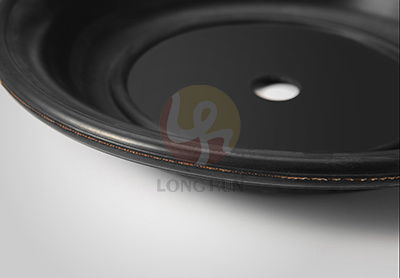
Fiber reinforced diaphragms are pivotal components in various industrial applications, particularly within the chemical sector. Their design and material composition significantly influence their performance, making quality a critical consideration. A quality fiber reinforced diaphragm typically consists of a composite material that enhances strength, durability, and resistance to various chemicals and environmental stresses.
One of the primary advantages of using fiber reinforced diaphragms is their exceptional mechanical properties. The incorporation of fibers—such as glass, carbon, or aramid—into the diaphragm material enhances its tensile strength and flexibility. This makes them ideal for applications requiring resistance to high pressures and dynamic movements, ensuring longevity and reliability in demanding environments.
In addition to mechanical strength, quality fiber reinforced diaphragms offer excellent chemical resistance. In the chemical industry, components are often exposed to harsh substances that can degrade standard materials. A well-crafted diaphragm can withstand exposure to corrosive agents, ensuring safe and efficient operation of pumps, valves, and other equipment. This resilience not only extends the lifespan of the diaphragm itself but also protects surrounding machinery, leading to reduced maintenance costs over time.
When selecting a fiber reinforced diaphragm, it is essential to consider the specific application and the operating conditions. Factors such as temperature fluctuations, chemical compatibility, and mechanical loads play a crucial role in determining the right type of diaphragm. Consulting with manufacturers or industry experts can provide valuable insights into selecting the most suitable diaphragm that meets both performance requirements and budget constraints.
Moreover, the manufacturing process of quality fiber reinforced diaphragms is crucial in determining their overall effectiveness. Advanced techniques, such as resin infusion and compression molding, can significantly impact the mechanical integrity of the final product. Ensuring that these processes are carried out under stringent quality control measures can lead to superior diaphragms that perform reliably over time.
In summary, quality fiber reinforced diaphragms are essential for achieving optimal performance in chemical applications. Their superior strength, flexibility, and chemical resistance make them indispensable components in various industrial processes. Understanding their properties and the factors influencing their quality will enable professionals in the chemical industry to make informed decisions, ultimately enhancing the efficiency and safety of their operations.
One of the primary advantages of using fiber reinforced diaphragms is their exceptional mechanical properties. The incorporation of fibers—such as glass, carbon, or aramid—into the diaphragm material enhances its tensile strength and flexibility. This makes them ideal for applications requiring resistance to high pressures and dynamic movements, ensuring longevity and reliability in demanding environments.
In addition to mechanical strength, quality fiber reinforced diaphragms offer excellent chemical resistance. In the chemical industry, components are often exposed to harsh substances that can degrade standard materials. A well-crafted diaphragm can withstand exposure to corrosive agents, ensuring safe and efficient operation of pumps, valves, and other equipment. This resilience not only extends the lifespan of the diaphragm itself but also protects surrounding machinery, leading to reduced maintenance costs over time.
When selecting a fiber reinforced diaphragm, it is essential to consider the specific application and the operating conditions. Factors such as temperature fluctuations, chemical compatibility, and mechanical loads play a crucial role in determining the right type of diaphragm. Consulting with manufacturers or industry experts can provide valuable insights into selecting the most suitable diaphragm that meets both performance requirements and budget constraints.
Moreover, the manufacturing process of quality fiber reinforced diaphragms is crucial in determining their overall effectiveness. Advanced techniques, such as resin infusion and compression molding, can significantly impact the mechanical integrity of the final product. Ensuring that these processes are carried out under stringent quality control measures can lead to superior diaphragms that perform reliably over time.
In summary, quality fiber reinforced diaphragms are essential for achieving optimal performance in chemical applications. Their superior strength, flexibility, and chemical resistance make them indispensable components in various industrial processes. Understanding their properties and the factors influencing their quality will enable professionals in the chemical industry to make informed decisions, ultimately enhancing the efficiency and safety of their operations.
Prev:
Related News
The Benefits of Choosing Molded Rubber Balls Over Traditional Alternatives
The Benefits of Choosing Molded Rubber Balls Over Traditional Alternatives Table of Contents Introduction Understanding Molded Rubber Balls Advantages of Molded Rubber Balls Durability and Longevity Cost Efficiency Customizability Versatility in Applications Environmental Impact Comparison with Traditional Alternatives Selection Criteria for Molded Ru
Oct 06,2026
Unlocking the Versatility of Rubber Balls in the Chemical Industry
Rubber balls are a remarkable example of how a simple concept can manifest in numerous applications within the chemical sector and beyond. Their versatility makes them an essential component in various industries, including manufacturing, automotive, and sports. Understanding the properties and potential uses of rubber balls can empower businesses to harness their capabilities effectively. First a
Oct 03,2026
The Vital Role of Rubber Flexible Connectors in Modern Industrial Systems
The Vital Role of Rubber Flexible Connectors in Modern Industrial Systems Rubber flexible connectors are essential components in various industrial applications, playing a crucial role in facilitating the seamless operation of systems that rely on fluid and gas movement. In today's fast-paced industrial landscape, the significance of these connectors cannot be overstated. As industries evolve and
Sep 30,2026
The Versatile World of Rubber Bonded Metal Products
Rubber bonded metal products represent a fascinating intersection of materials science and engineering, combining the flexibility and resilience of rubber with the strength and durability of metal. This unique pairing allows for the creation of products that are not only robust but also capable of absorbing shock, reducing vibrations, and providing a reliable seal against environmental factors. On
Sep 27,2026
Comparing Viton O Rings to Silicone: Which Material Reigns Supreme?
Comparing Viton O Rings to Silicone: Which Material Reigns Supreme? Table of Contents 1. Introduction to O Rings and Their Importance 2. What Are Viton O Rings? 3. What Are Silicone O Rings? 4. Key Differences Between Viton and Silicone O Rings 5. Performance in High Temperatures 6. Chemical Resistance: A Critical Comparison 7. Applications of Viton O Rings 8. Appl
Sep 24,2026

Add: Building # 7, No. 27, Songbai Ling Avenue, Zhonghan Huizhou Industrial Park, Zhongkai High-tech Zone, Huizhou, Guangdong, China 516032

LONGRUN
Privacy Policy | SEO | Support: 300.cn