
The Essential Contribution of Rubber Bellows Manufacturers to Vehicle Durability
Publish:
2025-12-17


The Essential Contribution of Rubber Bellows Manufacturers to Vehicle Durability
In the automotive industry, the durability of a vehicle is paramount. It not only affects performance but also influences safety and comfort. Among the many components that contribute to a vehicle's longevity, rubber bellows play a crucial role. This article delves into the significance of rubber bellows manufacturers
The Essential Contribution of Rubber Bellows Manufacturers to Vehicle Durability
In the automotive industry, the durability of a vehicle is paramount. It not only affects performance but also influences safety and comfort. Among the many components that contribute to a vehicle's longevity, rubber bellows play a crucial role. This article delves into the significance of rubber bellows manufacturers and how they enhance vehicle durability, ensuring that vehicles stand the test of time and conditions.
Table of Contents
- Understanding Rubber Bellows: Definition and Functions
- The Importance of Rubber Bellows in Automotive Applications
- The Manufacturing Process of Rubber Bellows
- Key Materials Used in Rubber Bellows Production
- Advancements in Rubber Bellows Technology
- Quality Control Measures in Rubber Bellows Manufacturing
- The Impact of Rubber Bellows on Vehicle Durability
- The Future Outlook of Rubber Bellows in the Automotive Industry
- Frequently Asked Questions
Understanding Rubber Bellows: Definition and Functions
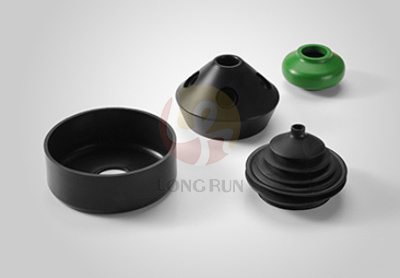
Rubber bellows are flexible, expandable components made of rubber that protect and enclose mechanical parts. They serve as seals to prevent dust, dirt, and moisture from entering sensitive areas, while also absorbing vibrations and accommodating movement within a vehicle's mechanical systems. The design of rubber bellows allows them to expand and contract, making them ideal for applications that require flexibility.
The Structure of Rubber Bellows
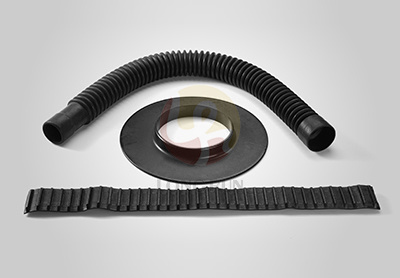
Typically, a rubber bellow consists of a cylindrical shape with a series of folds or corrugations. This design enables them to compress and expand as necessary, providing both flexibility and durability. Their resistance to wear and tear makes them essential in various automotive components, including suspension systems, steering mechanisms, and exhaust systems.
The Importance of Rubber Bellows in Automotive Applications
Rubber bellows serve several vital functions in vehicles, contributing significantly to their overall performance and longevity.
Protection Against Environmental Factors
One of the primary roles of rubber bellows is to protect mechanical components from environmental contaminants. These bellows act as barriers against dirt, moisture, and other harmful substances, which could lead to corrosion or failure of critical parts.
Vibration Dampening
Rubber bellows also play a vital role in absorbing vibrations that occur during vehicle operation. By mitigating these vibrations, they help maintain the integrity of mechanical connections and enhance the comfort of the ride.
Facilitating Movement
The flexibility of rubber bellows allows for movement in various systems, particularly in suspension and steering. This adaptability ensures that vehicles can handle various terrains while maintaining stability and control.
The Manufacturing Process of Rubber Bellows
The production of rubber bellows involves several key steps, each contributing to the final product's quality and performance.
Material Selection
The first step in manufacturing rubber bellows is selecting the appropriate materials. High-quality rubber compounds are chosen based on their specific properties, such as elasticity, durability, and resistance to environmental factors.
Molding Techniques
Once the materials are selected, the next phase involves molding the rubber into the desired shape. Various techniques, such as compression molding and injection molding, are employed to produce rubber bellows that meet precise specifications.
Curing Process
The curing process is crucial in developing the rubber's final properties. During curing, the rubber undergoes a chemical reaction that enhances its strength, elasticity, and durability, ensuring that the bellows can withstand the rigors of automotive use.
Key Materials Used in Rubber Bellows Production
Choosing the right materials is essential for the performance of rubber bellows. Several types of rubber compounds are commonly used, including:
Natural Rubber
Natural rubber offers excellent elasticity and resilience, making it suitable for applications requiring flexibility. However, it may have limitations in terms of resistance to oil and chemicals.
Synthetic Rubber
Synthetic rubber compounds, such as neoprene and EPDM, provide enhanced durability and resistance to harsh environmental conditions. These materials are often preferred for their superior performance in automotive applications.
Reinforced Rubber
Reinforced rubber bellows incorporate fibers or other materials to enhance strength and resistance to deformation. This type is particularly useful in high-stress applications, providing added durability where needed.
Advancements in Rubber Bellows Technology
The manufacturing of rubber bellows has benefited significantly from advancements in technology, leading to improved performance and durability.
3D Printing and Prototyping
Modern manufacturing techniques, such as 3D printing, allow for rapid prototyping and testing of rubber bellows. This innovation enables manufacturers to refine designs and produce customized solutions more efficiently.
Smart Materials
The incorporation of smart materials, which can adapt to environmental changes, is an emerging trend in rubber bellows manufacturing. These materials can enhance performance under various conditions, contributing to vehicle longevity.
Quality Control Measures in Rubber Bellows Manufacturing
Ensuring the quality of rubber bellows is critical for their performance in automotive applications. Manufacturers implement rigorous quality control measures throughout the production process.
Testing and Inspection
Comprehensive testing, including tensile strength tests, compression tests, and environmental simulations, is conducted to verify the performance of rubber bellows. Inspection during various stages of manufacturing ensures that any defects are identified and addressed promptly.
Compliance with Industry Standards
Manufacturers adhere to strict industry standards and regulations, ensuring that their products meet safety and performance requirements. Compliance with these standards is crucial for maintaining credibility and customer trust.
The Impact of Rubber Bellows on Vehicle Durability
The influence of rubber bellows on vehicle durability is profound. Their ability to protect essential components and absorb vibrations contributes significantly to the lifespan of vehicles.
Enhancing Component Longevity
By preventing contaminants from entering critical systems and dampening vibrations, rubber bellows play a vital role in prolonging the life of various vehicle components. This enhances overall vehicle durability, reducing the frequency and cost of repairs.
Improving Performance and Safety
Vehicles equipped with high-quality rubber bellows experience improved performance and safety. The stability provided by well-functioning bellows translates into better handling and overall driving experience, contributing to user satisfaction.
The Future Outlook of Rubber Bellows in the Automotive Industry
As the automotive industry continues to evolve, the role of rubber bellows is anticipated to grow. Innovations in materials and manufacturing processes will drive enhancements in performance and durability.
Shift Towards Sustainability
With an increasing focus on sustainability, manufacturers are exploring eco-friendly materials and production methods. The development of biodegradable rubber compounds could reshape the market, offering environmentally conscious solutions without compromising performance.
Integration with Electric and Hybrid Vehicles
The rise of electric and hybrid vehicles presents new challenges and opportunities for rubber bellows manufacturers. Adapting designs to meet the unique requirements of these vehicles will be essential for future success.
Frequently Asked Questions
What are rubber bellows used for in vehicles?
Rubber bellows are used to protect mechanical components from contaminants, absorb vibrations, and allow for flexible movement in various vehicle systems.
How do rubber bellows enhance vehicle durability?
By preventing dirt and moisture from entering critical components and reducing vibrations, rubber bellows contribute to the longevity and overall performance of a vehicle.
What materials are used in making rubber bellows?
Common materials include natural rubber, synthetic rubber compounds, and reinforced rubber, each chosen for their specific properties and applications.
What advancements are being made in rubber bellows technology?
Advancements include 3D printing for rapid prototyping and the use of smart materials that can adapt to changing environmental conditions.
How do manufacturers ensure the quality of rubber bellows?
Manufacturers implement rigorous testing and inspection processes, adhering to industry standards to ensure that rubber bellows meet safety and performance requirements.
Conclusion
The importance of rubber bellows manufacturers in enhancing vehicle durability cannot be overstated. These components are essential for protecting vital systems, absorbing vibrations, and facilitating movement. As technology advances and the automotive industry evolves, rubber bellows will continue to play a crucial role in improving vehicle performance and longevity. By understanding the intricacies of rubber bellows manufacturing and their impact on automotive durability, stakeholders can make informed decisions that lead to better, more reliable vehicles.
Related News
Rubber Flexible Connector: Reliable Solution for Vibration and Noise Control
Rubber flexible connectors absorb vibration, reduce noise, and compensate for pipe movement, protecting pipelines and equipment in various systems.
Dec 23,2025
The Comprehensive Guide to the Manufacturing Process of Customized Molded Rubber Balls: A Deep Dive
The Comprehensive Guide to the Manufacturing Process of Customized Molded Rubber Balls: A Deep Dive Table of Contents Introduction to Customized Molded Rubber Balls Understanding Rubber Materials Used in Manufacturing The Design Process for Customized Rubber Balls Molding Techniques for Rubber Balls Quality Control Measures in Rubber Ball Manufacturing Applications of Cust
Dec 22,2025
Understanding Quality Fiber Reinforced Diaphragms: A Key Component in Chemical Applications
Fiber reinforced diaphragms are pivotal components in various industrial applications, particularly within the chemical sector. Their design and material composition significantly influence their performance, making quality a critical consideration. A quality fiber reinforced diaphragm typically consists of a composite material that enhances strength, durability, and resistance to various chemical
Dec 19,2025
The Essential Contribution of Rubber Bellows Manufacturers to Vehicle Durability
The Essential Contribution of Rubber Bellows Manufacturers to Vehicle Durability In the automotive industry, the durability of a vehicle is paramount. It not only affects performance but also influences safety and comfort. Among the many components that contribute to a vehicle's longevity, rubber bellows play a crucial role. This article delves into the significance of rubber bellows manufacturers
Dec 17,2025
Exploring the Role of Viton O-Rings in the Automotive Industry
Viton O-Rings have emerged as a crucial component in the automotive industry, particularly within the realm of chemical and rubber products. The unique properties of Viton, a type of fluoropolymer elastomer, make it an ideal choice for various automotive applications that demand durability and resilience. One of the standout features of Viton O-Rings is their excellent resistance to high temperatu
Dec 15,2025

Add: Building # 7, No. 27, Songbai Ling Avenue, Zhonghan Huizhou Industrial Park, Zhongkai High-tech Zone, Huizhou, Guangdong, China 516032

LONGRUN
Privacy Policy | SEO | Support: 300.cn