
Exploring Innovations in Rubber Bellows Manufacturing for the Automotive Industry
Publish:
2026-01-10


Exploring Innovations in Rubber Bellows Manufacturing for the Automotive Industry
Table of Contents
Introduction to Rubber Bellows in Automotive Applications
The Importance of Rubber Bellows in Vehicles
Overview of the Rubber Bellows Manufacturing Process
Material Selection for Enhanced Performance
Key Design Considerations in Rubber Bellows
Exploring Innovations in Rubber Bellows Manufacturing for the Automotive Industry
Table of Contents
- Introduction to Rubber Bellows in Automotive Applications
- The Importance of Rubber Bellows in Vehicles
- Overview of the Rubber Bellows Manufacturing Process
- Innovations in Rubber Bellows Manufacturing Techniques
- The Role of 3D Printing in Bellows Manufacturing
- Integrating Smart Materials for Better Functionality
- Applications of Rubber Bellows in Modern Vehicles
- Future Trends in Rubber Bellows Manufacturing
- Challenges in Rubber Bellows Production
- Conclusion
Introduction to Rubber Bellows in Automotive Applications
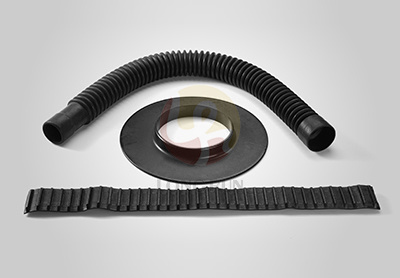
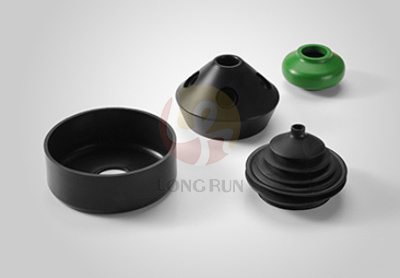
Rubber bellows are essential components in various automotive systems, designed to protect moving parts from dust, dirt, and moisture. Their primary function is to maintain a seal while allowing for movement, which is crucial in applications like suspension systems, engine compartments, and transmission assemblies. As the automotive industry evolves, so does the need for innovative manufacturing techniques that enhance the performance and lifespan of these components.
The Importance of Rubber Bellows in Vehicles
Rubber bellows play a vital role in vehicle performance and reliability. They safeguard critical components against environmental elements and mechanical wear, contributing to the overall durability of the vehicle. Moreover, the efficiency of rubber bellows directly impacts fuel consumption and emissions, making their optimization essential for modern automotive engineering.
Overview of the Rubber Bellows Manufacturing Process
The manufacturing of rubber bellows involves several intricate steps, each pivotal to achieving high-quality end products. Understanding this process helps manufacturers identify areas for innovation and improvement.
Material Selection for Enhanced Performance
Choosing the right materials is foundational to rubber bellows manufacturing. **Synthetic rubber compounds** such as EPDM (Ethylene Propylene Diene Monomer) and NBR (Nitrile Butadiene Rubber) are often utilized due to their excellent properties, including resistance to heat, oil, and UV radiation. Manufacturers are increasingly adopting **thermoplastic elastomers (TPE)**, which offer superior flexibility and recyclability.
Key Design Considerations in Rubber Bellows
Design is another critical factor in rubber bellows manufacturing. Engineers must consider factors such as **flexibility**, **compression set**, and **environmental resistance**. Advanced computer-aided design (CAD) tools enable precise modeling of bellows shapes and sizes, ensuring they meet specific application requirements while optimizing performance.
Innovations in Rubber Bellows Manufacturing Techniques
Recent advancements in manufacturing technologies have paved the way for significant innovations in rubber bellows production. These innovations focus on improving efficiency, reducing costs, and enhancing the characteristics of the final product.
The Role of 3D Printing in Bellows Manufacturing
3D printing has emerged as a transformative technology in rubber bellows manufacturing. This technique allows for rapid prototyping and customization, enabling manufacturers to produce complex geometries that were previously challenging to achieve using traditional methods. With 3D printing, manufacturers can quickly iterate designs, reducing lead times and costs in the production process.
Integrating Smart Materials for Better Functionality
The incorporation of **smart materials** in rubber bellows presents exciting opportunities for performance enhancement. These materials can respond dynamically to environmental changes, such as temperature fluctuations or pressure variations, improving the bellows' adaptability in various conditions. For example, shape memory alloys can provide additional structural stability, while self-healing materials can extend the service life of bellows by repairing minor damages autonomously.
Applications of Rubber Bellows in Modern Vehicles
Rubber bellows are used in a multitude of applications within the automotive industry. Their versatility ensures they meet the demanding needs of various systems.
Suspension Systems
In suspension systems, rubber bellows provide critical dampening and protection for sensitive components. They ensure smooth vehicle handling while absorbing shocks from uneven road surfaces.
Engine Compartment
In the engine compartment, rubber bellows act as seals for moving parts, preventing contaminants from entering while allowing for the necessary movement between components.
Transmission Assemblies
In transmission assemblies, rubber bellows help maintain fluid integrity and serve as vibration dampeners, enhancing overall vehicle performance.
Future Trends in Rubber Bellows Manufacturing
The future of rubber bellows manufacturing is set to be influenced by several key trends.
Increased Automation
Automation in manufacturing processes is expected to enhance production efficiency and quality. Automated systems can reduce human error, ensuring consistent product quality while allowing manufacturers to scale operations swiftly.
Sustainability Initiatives
Sustainability is becoming increasingly important in manufacturing. The automotive industry is focusing on reducing its environmental footprint, leading to a greater emphasis on recycled materials and eco-friendly manufacturing processes in rubber bellows production.
Challenges in Rubber Bellows Production
Despite advancements in manufacturing processes, several challenges persist in rubber bellows production.
Quality Control
Ensuring consistent quality in rubber components remains a significant challenge. Variability in raw materials and manufacturing processes can lead to defects, necessitating robust quality control measures.
Cost Management
Managing production costs while maintaining high-quality standards is another ongoing challenge. Manufacturers must balance the expense of advanced materials and technologies with the need for competitive pricing.
Conclusion
The rubber bellows manufacturing sector is undergoing remarkable transformations driven by technological innovations and evolving market demands. By understanding the advancements in materials, design, and manufacturing techniques, industry stakeholders can position themselves to leverage these changes effectively. As the automotive industry continues to push the boundaries of performance and efficiency, the role of rubber bellows will remain pivotal, ensuring vehicles are equipped to handle the challenges of modern driving environments. Embracing these innovations is essential for businesses aiming to thrive in this dynamic landscape, ultimately leading to enhanced performance and sustainability in the automotive sector.
FAQs
1. What are rubber bellows used for in vehicles?
Rubber bellows are used to protect moving parts from contaminants and to provide flexibility in various automotive applications, including suspension systems, engine compartments, and transmission assemblies.
2. What materials are commonly used in rubber bellows production?
Synthetic rubber compounds like EPDM and NBR are commonly used, as well as thermoplastic elastomers (TPE) for their superior flexibility and recyclability.
3. How does 3D printing benefit rubber bellows manufacturing?
3D printing allows for rapid prototyping, customization, and the production of complex geometries, significantly reducing lead times and costs.
4. What are smart materials, and how are they used in rubber bellows?
Smart materials respond to environmental changes. In rubber bellows, they can enhance adaptability and durability, with capabilities like self-healing and dynamic response to pressure variations.
5. What challenges do manufacturers face in rubber bellows production?
Manufacturers face challenges related to quality control, cost management, and maintaining consistent quality amidst variations in materials and processes.
Prev:
Related News
Exploring Innovations in Rubber Bellows Manufacturing for the Automotive Industry
Exploring Innovations in Rubber Bellows Manufacturing for the Automotive Industry Table of Contents Introduction to Rubber Bellows in Automotive Applications The Importance of Rubber Bellows in Vehicles Overview of the Rubber Bellows Manufacturing Process Material Selection for Enhanced Performance Key Design Considerations in Rubber Bellows
Jan 10,2026
Exploring the Role of Viton O-rings in the Automotive Industry
Viton O-rings play a crucial role in the automotive industry, particularly in applications requiring high-temperature resistance and chemical stability. As a type of fluoropolymer elastomer, Viton offers exceptional resistance to a wide range of automotive fluids, including oils, fuels, and refrigerants. This makes them an ideal choice for sealing applications in various automotive systems, includ
Jan 08,2026
How Rubber Bonded Metals Enhance Performance in Industrial Settings
How Rubber Bonded Metals Enhance Performance in Industrial Settings Introduction to Rubber Bonded Metals In today's industrial landscape, the demand for materials that can withstand harsh environments while maintaining optimal performance has never been higher. **Rubber bonded metals** have emerged as a revolutionary solution, combining the strength of metals with the flexibility and resilience of
Jan 06,2026
How Quality Fiber Reinforced Diaphragms Enhance Performance in Chemical Engineering
How Quality Fiber Reinforced Diaphragms Enhance Performance in Chemical Engineering Table of Contents 1. Introduction to Fiber Reinforced Diaphragms 2. The Importance of Quality in Diaphragm Manufacturing 3. Material Composition and Its Impact 4. Performance Benefits of Fiber Reinforced Diaphragms 5. Applications in Chemical Engineering 6. Comparison with Traditional Diaph
Jan 02,2026
Choosing the Right Rubber Bellows Manufacturer: Key Considerations for Automotive Components
When it comes to automotive applications, rubber bellows play a vital role in protecting and sealing components from contaminants, moisture, and dirt. As a professional in the automotive sector, choosing the right rubber bellows manufacturer can significantly impact the longevity and reliability of your products. Here are some key considerations to keep in mind when making your selection. **1. Mat
Dec 31,2025

Add: Building # 7, No. 27, Songbai Ling Avenue, Zhonghan Huizhou Industrial Park, Zhongkai High-tech Zone, Huizhou, Guangdong, China 516032

LONGRUN
Privacy Policy | SEO | Support: 300.cn