
Top 5 Advantages of Using Rubber Bonded Metal in Your Operations
Publish:
2026-01-26


Top 5 Advantages of Using Rubber Bonded Metal in Your Operations
Understanding Rubber Bonded Metal
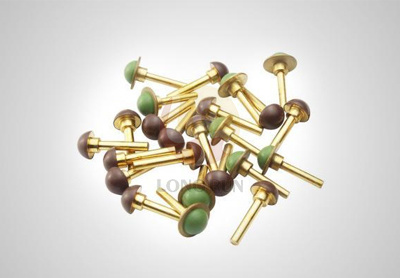
Rubber bonded metal is a composite material that combines the durability of metal with the elasticity of rubber. This unique combination results in a product that offers excellent performance in various industrial applications. The manufacturing process involves bonding rubber to metal surfaces,
Top 5 Advantages of Using Rubber Bonded Metal in Your Operations
Understanding Rubber Bonded Metal
Rubber bonded metal is a composite material that combines the durability of metal with the elasticity of rubber. This unique combination results in a product that offers excellent performance in various industrial applications. The manufacturing process involves bonding rubber to metal surfaces, creating a strong, durable connection that provides several benefits.
The Rise of Rubber Bonded Metal in Industrial Applications
In recent years, industries have increasingly turned to rubber bonded metal for its versatility and reliability. From automotive to aerospace, the uses of this composite material are vast, making it indispensable in modern manufacturing processes. The following sections will delve into the specific advantages of using rubber bonded metal in your operations.
1. Enhanced Vibration Damping
One of the most significant advantages of rubber bonded metal is its ability to absorb vibrations. In environments where machinery operates at high speeds, excessive vibrations can lead to wear and tear on equipment, impacting performance and lifespan.
Rubber bonded metal effectively dampens these vibrations, providing a cushioning effect that minimizes the risk of damage. This leads to:
- **Increased Equipment Longevity**: By reducing stress on machinery, the lifespan of your equipment can extend significantly.
- **Improved Worker Safety**: Less vibration translates to a safer working environment, as it reduces the risk of machinery-related accidents.
2. Superior Shock Absorption
In addition to vibration damping, rubber bonded metal excels at shock absorption. When machinery encounters sudden impacts or shocks, the rubber layer acts as a buffer, dispersing energy and preventing damage. This characteristic is particularly beneficial in applications such as:
- **Automotive Components**: Shock absorbers in vehicles benefit from rubber bonded metal, enhancing ride comfort and stability.
- **Heavy Machinery**: Equipment that operates in rugged environments relies on shock-absorbing features to maintain functionality.
The result is not just improved performance but also reduced maintenance costs, as fewer repairs are required due to damage from shocks.
3. Excellent Corrosion Resistance
Corrosion can be a significant issue in many industries, especially those that deal with harsh environments, such as chemicals and moisture. Rubber bonded metal offers an edge due to its inherent resistance to corrosion.
The rubber component forms a protective barrier that shields the metal from corrosive elements, leading to:
- **Extended Product Lifespan**: Components made from rubber bonded metal can last longer, even in challenging environments.
- **Lower Replacement Costs**: Reduced corrosion means fewer replacements, leading to significant cost savings over time.
By investing in rubber bonded metal, companies can mitigate the risks associated with corrosion and ensure their operations run smoothly.
4. Versatile Applications Across Industries
Rubber bonded metal is not limited to a single industry; its applications are diverse and plentiful. Some common uses include:
- **Automotive Manufacturing**: Used in components such as engine mounts and suspension systems.
- **Aerospace**: Applied in vibration isolators and various structural components.
- **Consumer Products**: Found in items like household appliances and tools.
This versatility means that companies across various sectors can benefit from integrating rubber bonded metal into their operations, making it a valuable investment.
5. Cost-Effectiveness and Efficiency**
In today's competitive landscape, businesses constantly seek ways to reduce costs while maintaining high-quality standards. Rubber bonded metal presents an ideal solution due to its cost-effectiveness. Key savings include:
- **Reduced Maintenance**: With improved durability and the need for less frequent repairs, maintenance costs drop significantly.
- **Energy Efficiency**: The vibration and shock absorption properties can lead to more efficient machinery operation, reducing energy consumption.
Incorporating rubber bonded metal leads to operational efficiencies that can positively impact the bottom line.
Real-World Case Studies
To illustrate the advantages of rubber bonded metal, consider the following real-world applications:
Automotive Industry Example
A leading automotive manufacturer implemented rubber bonded metal in the suspension systems of their vehicles. The result was a noticeable improvement in ride quality and a reduction in warranty claims related to suspension failures, showcasing the material's effectiveness in real-world conditions.
Aerospace Industry Example
In the aerospace sector, a company utilized rubber bonded metal for vibration isolation in aircraft components. This led to enhanced passenger comfort and reduced maintenance needs, proving the material's value in high-stakes environments.
FAQs About Rubber Bonded Metal
1. What is rubber bonded metal made of?
Rubber bonded metal is composed of a layer of rubber bonded to a metal substrate, creating a composite material that combines the best properties of both materials.
2. How does rubber bonded metal compare to traditional materials?
Rubber bonded metal offers superior vibration and shock absorption, corrosion resistance, and flexibility compared to traditional materials, making it a more effective choice in many applications.
3. In what industries is rubber bonded metal commonly used?
It is widely used in the automotive, aerospace, construction, and consumer goods industries, among others.
4. Can rubber bonded metal be customized for specific applications?
Yes, rubber bonded metal can be tailored to meet the specific requirements of various applications, including size, shape, and material properties.
5. What are the environmental benefits of using rubber bonded metal?
Rubber bonded metal reduces waste and the need for frequent replacements, leading to less environmental impact over time.
Conclusion
Rubber bonded metal presents numerous advantages that can significantly enhance operational efficiency and performance across various industries. From improved vibration damping and shock absorption to corrosion resistance and cost-effectiveness, this composite material is an invaluable asset for modern manufacturing. As industries continue to strive for innovation and efficiency, the incorporation of rubber bonded metal can provide a competitive edge, ensuring longevity and reliability in operations. Investing in this material not only benefits individual businesses but contributes to a more sustainable future in manufacturing and industrial processes.
Related News
Enhancing Performance with Quality Fiber Reinforced Diaphragms in the Chemical Industry
In the chemical industry, the demand for robust and reliable components is paramount, particularly when it comes to fluid handling and control. One such critical component is the quality fiber reinforced diaphragm. These diaphragms are essential for ensuring optimal performance and longevity in various applications, especially within the rubber and elastomer sectors. Quality fiber reinforced diap
Feb 02,2026
5 Key Questions to Ask Your Rubber Bellows Manufacturer for Optimal Quality and Performance
5 Key Questions to Ask Your Rubber Bellows Manufacturer for Optimal Quality and Performance Introduction In the automotive industry, the importance of high-quality components cannot be overstated. **Rubber bellows** play an essential role in various applications, from protecting critical parts to maintaining the integrity of systems. When selecting a manufacturer for your rubber bellows, understan
Jan 31,2026
The Role of Viton O-Rings in the Automotive Industry: Innovations and Applications
Viton O-rings, made from fluorocarbon elastomer, are increasingly becoming essential components in the automotive industry due to their superior resistance to heat, chemicals, and wear. These characteristics make them particularly suitable for various applications, ranging from engine seals to fuel systems. This article will delve into the reasons why Viton O-rings are favored in the automotive se
Jan 29,2026
Top 5 Advantages of Using Rubber Bonded Metal in Your Operations
Top 5 Advantages of Using Rubber Bonded Metal in Your Operations Understanding Rubber Bonded Metal Rubber bonded metal is a composite material that combines the durability of metal with the elasticity of rubber. This unique combination results in a product that offers excellent performance in various industrial applications. The manufacturing process involves bonding rubber to metal surfaces,
Jan 26,2026
Exploring the Versatility and Applications of Customized Molded Rubber Balls
Customized molded rubber balls represent an innovative solution within the rubber manufacturing sector, particularly catering to specialized applications across various industries. These balls are engineered from high-quality rubber compounds, allowing for a broad range of customization options that address specific requirements. The molding process employed ensures that each ball can be tailored
Jan 24,2026

Add: Building # 7, No. 27, Songbai Ling Avenue, Zhonghan Huizhou Industrial Park, Zhongkai High-tech Zone, Huizhou, Guangdong, China 516032

LONGRUN
Privacy Policy | SEO | Support: 300.cn