
5 Key Questions to Ask Your Rubber Bellows Manufacturer for Optimal Quality and Performance
Publish:
2026-01-31


5 Key Questions to Ask Your Rubber Bellows Manufacturer for Optimal Quality and Performance
Introduction
In the automotive industry, the importance of high-quality components cannot be overstated. **Rubber bellows** play an essential role in various applications, from protecting critical parts to maintaining the integrity of systems. When selecting a manufacturer for your rubber bellows, understan
5 Key Questions to Ask Your Rubber Bellows Manufacturer for Optimal Quality and Performance
Introduction
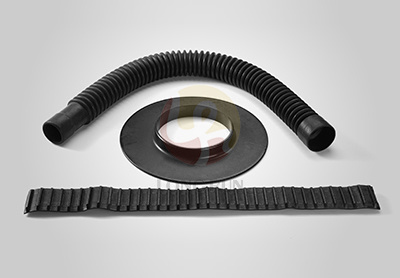
In the automotive industry, the importance of high-quality components cannot be overstated. **Rubber bellows** play an essential role in various applications, from protecting critical parts to maintaining the integrity of systems. When selecting a manufacturer for your rubber bellows, understanding their capabilities and processes is crucial. This article outlines five key questions to ask your rubber bellows manufacturer to ensure you receive products that meet your specifications and performance expectations.
Table of Contents
- 1. What Materials Do You Use for Rubber Bellows?
- 2. What is Your Manufacturing Process?
- 3. Can You Provide Certifications and Compliance Standards?
- 4. What is Your Quality Control Process?
- 5. What Are Your Lead Times and Pricing Structure?
- Conclusion
- Frequently Asked Questions
1. What Materials Do You Use for Rubber Bellows?
When engaging with a rubber bellows manufacturer, the first question to pose is about the materials used in production. The quality of the rubber directly influences the durability and functionality of the bellows, making it imperative to choose the right material for your specific application.
Understanding Material Properties
**Natural rubber**, **synthetic rubber**, and **thermoplastic elastomers (TPEs)** are common materials used in rubber bellows. Each type has unique properties:
- **Natural Rubber:** Offers excellent elasticity and resilience, making it suitable for dynamic applications.
- **Synthetic Rubber:** Varies in performance based on the type, providing advantages such as increased temperature resistance and chemical stability.
- **Thermoplastic Elastomers:** Combines the properties of rubber and plastics, offering versatility in applications that require high durability.
Application-Specific Requirements
Different applications may necessitate specific material choices based on factors like temperature, pressure, and exposure to chemicals. Inquire about the manufacturer's experience with various materials and their ability to tailor solutions to meet your demands.
2. What is Your Manufacturing Process?
Understanding the **manufacturing process** is crucial for evaluating the capabilities of your rubber bellows manufacturer. This knowledge helps ensure that the production aligns with your specifications and quality expectations.
Overview of Manufacturing Techniques
Common manufacturing methods for rubber bellows include:
- **Compression Molding:** Ideal for small production runs and varied designs, this process involves shaping rubber using heat and pressure.
- **Transfer Molding:** Suitable for larger volumes, this method allows for more precise designs and is often used for complex shapes.
- **Injection Molding:** Highly efficient for mass production, this method offers consistent quality and short cycle times.
Customization Options
Ask about the flexibility in their production techniques. Can they accommodate custom sizes, shapes, or features? Understanding their capabilities will help you determine if they can meet your unique requirements.
3. Can You Provide Certifications and Compliance Standards?
Quality assurance is paramount in the production of rubber bellows, especially in the automotive industry, where safety and performance are critical. Ensure your manufacturer adheres to industry standards.
Importance of Certifications
Inquire whether the manufacturer holds certifications such as ISO 9001, which ensures a commitment to quality management systems. Other relevant certifications may include:
- **IATF 16949:** Specifically for automotive supply chains.
- **RoHS Compliance:** Ensuring materials are free from hazardous substances.
Understanding Compliance Standards
Ask how the manufacturer ensures compliance with industry standards. This information will provide confidence that the products you receive are not only of high quality but also safe and reliable for your applications.
4. What is Your Quality Control Process?
A robust **quality control process** is essential for ensuring that the rubber bellows meet performance specifications and durability standards. Understanding how a manufacturer maintains quality can significantly influence your decision.
Quality Control Measures
Inquire about the specific quality control measures implemented throughout the manufacturing process. Look for practices such as:
- **Incoming Material Inspection:** Ensuring raw materials meet required specifications before production begins.
- **In-Process Inspections:** Regular checks during manufacturing to identify any potential issues early.
- **Final Product Testing:** Rigorous testing of finished products to verify performance and adherence to specifications.
Traceability and Documentation
Ask whether the manufacturer offers traceability for the products they supply. Detailed documentation of the production process and inspections provides added assurance of product quality and facilitates accountability.
5. What Are Your Lead Times and Pricing Structure?
Understanding the **lead times** and **pricing structure** is critical for planning your production schedules and budget. It’s essential to clarify these aspects upfront to avoid unexpected delays or costs.
Evaluating Lead Times
Inquire about the typical lead times for production based on your order volume and complexity. A reliable manufacturer should provide clear timelines for both prototypes and mass production.
Understanding Pricing Models
Discuss pricing openly to get a clear picture of costs involved. Ask about any additional charges for custom designs or expedited orders. Understanding the total cost of ownership will help you make informed purchasing decisions.
Conclusion
Choosing the right rubber bellows manufacturer is a critical decision that impacts the performance and reliability of your automotive applications. By asking these five key questions, you can gain valuable insights into their capabilities, quality assurance processes, and overall suitability for your needs. Prioritize suppliers that demonstrate a commitment to quality, flexibility in manufacturing, and transparency in communication. Making an informed choice will lead to long-term benefits in your production processes and product performance.
Frequently Asked Questions
1. What are rubber bellows used for in automotive applications?
Rubber bellows are used to protect moving parts, seal against contaminants, and accommodate movement in various automotive systems.
2. How do I know if a rubber bellows manufacturer is reliable?
Research their reputation, certifications, manufacturing processes, and customer reviews to assess their reliability.
3. Can rubber bellows be custom designed?
Yes, many manufacturers offer custom designs tailored to specific application needs, including size and shape specifications.
4. What maintenance is required for rubber bellows?
Regular inspections for wear and tear, along with cleaning to remove contaminants, can help prolong the lifespan of rubber bellows.
5. How can I ensure the rubber bellows will perform under extreme conditions?
Discuss material selection and testing standards with your manufacturer to ensure the chosen materials meet the performance requirements for your specific conditions.
By following this guide and asking the right questions, you can ensure that your selection of a rubber bellows manufacturer will meet your performance standards and contribute to the success of your projects in the automotive industry.
Related News
Enhancing Performance with Quality Fiber Reinforced Diaphragms in the Chemical Industry
In the chemical industry, the demand for robust and reliable components is paramount, particularly when it comes to fluid handling and control. One such critical component is the quality fiber reinforced diaphragm. These diaphragms are essential for ensuring optimal performance and longevity in various applications, especially within the rubber and elastomer sectors. Quality fiber reinforced diap
Feb 02,2026
5 Key Questions to Ask Your Rubber Bellows Manufacturer for Optimal Quality and Performance
5 Key Questions to Ask Your Rubber Bellows Manufacturer for Optimal Quality and Performance Introduction In the automotive industry, the importance of high-quality components cannot be overstated. **Rubber bellows** play an essential role in various applications, from protecting critical parts to maintaining the integrity of systems. When selecting a manufacturer for your rubber bellows, understan
Jan 31,2026
The Role of Viton O-Rings in the Automotive Industry: Innovations and Applications
Viton O-rings, made from fluorocarbon elastomer, are increasingly becoming essential components in the automotive industry due to their superior resistance to heat, chemicals, and wear. These characteristics make them particularly suitable for various applications, ranging from engine seals to fuel systems. This article will delve into the reasons why Viton O-rings are favored in the automotive se
Jan 29,2026
Top 5 Advantages of Using Rubber Bonded Metal in Your Operations
Top 5 Advantages of Using Rubber Bonded Metal in Your Operations Understanding Rubber Bonded Metal Rubber bonded metal is a composite material that combines the durability of metal with the elasticity of rubber. This unique combination results in a product that offers excellent performance in various industrial applications. The manufacturing process involves bonding rubber to metal surfaces,
Jan 26,2026
Exploring the Versatility and Applications of Customized Molded Rubber Balls
Customized molded rubber balls represent an innovative solution within the rubber manufacturing sector, particularly catering to specialized applications across various industries. These balls are engineered from high-quality rubber compounds, allowing for a broad range of customization options that address specific requirements. The molding process employed ensures that each ball can be tailored
Jan 24,2026

Add: Building # 7, No. 27, Songbai Ling Avenue, Zhonghan Huizhou Industrial Park, Zhongkai High-tech Zone, Huizhou, Guangdong, China 516032

LONGRUN
Privacy Policy | SEO | Support: 300.cn