Understanding the Role of Rubber Bonded Metal Products in the Chemical Sector
Publish:
2026-02-16


Understanding the Role of Rubber Bonded Metal Products in the Chemical Sector
Introduction to Rubber Bonded Metal Products
Rubber bonded metal products represent a fusion of resilience and versatility, making them invaluable in the **chemical sector**. These composite materials, which bond rubber to metal substrates, offer unique properties that enhance the performance and durability of various
Understanding the Role of Rubber Bonded Metal Products in the Chemical Sector
Introduction to Rubber Bonded Metal Products
Rubber bonded metal products represent a fusion of resilience and versatility, making them invaluable in the **chemical sector**. These composite materials, which bond rubber to metal substrates, offer unique properties that enhance the performance and durability of various applications. In this article, we will delve into the significance of rubber bonded metal products, exploring their benefits, applications, and the future of these materials in the chemical industry.
The Chemical Industry’s Dependence on Innovative Materials
The chemical sector is characterized by its constant need for **innovative materials** that can withstand harsh environments. From high temperatures to corrosive substances, the industry's demands are ever-increasing. As a result, manufacturers are continuously on the lookout for materials that not only resist degradation but also improve overall performance. Rubber bonded metal products stand out in this respect, providing a robust solution that meets these requirements.
What Are Rubber Bonded Metal Products?
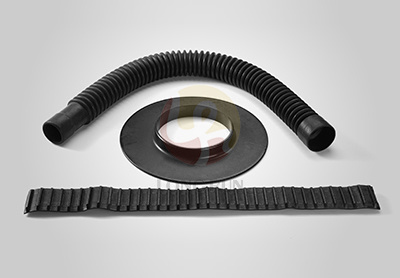
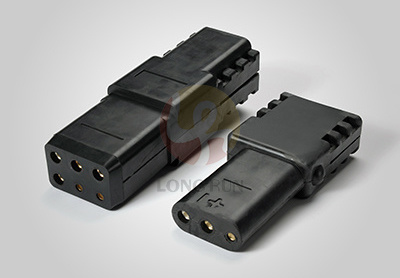
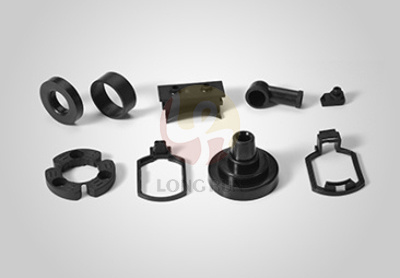
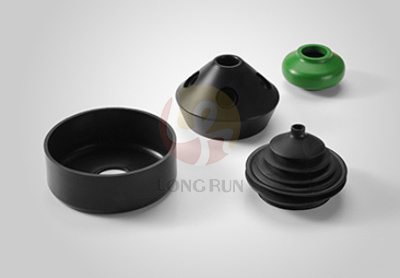
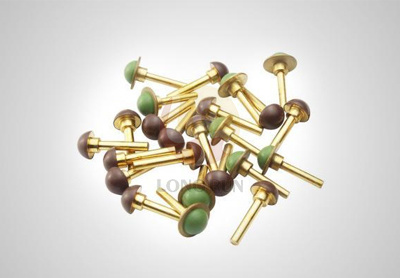
Rubber bonded metal products consist of a metal substrate, typically steel or aluminum, that is chemically or mechanically bonded to a layer of rubber. This combination results in a product that boasts the mechanical strength of metal while benefiting from the elasticity and chemical resistance of rubber. Common forms of rubber bonded metal products include gaskets, seals, bushings, and vibration dampers, each serving distinct functions in various applications.
Key Properties of Rubber Bonded Metal Products
The efficacy of rubber bonded metal products can be attributed to several key properties:
1. **Chemical Resistance**: These products are designed to withstand exposure to a wide range of chemicals, ensuring longevity and reliability.
2. **Vibration Damping**: The rubber layer effectively absorbs vibrations, protecting sensitive equipment and improving operational efficiency.
3. **Thermal Insulation**: Rubber bonded metal products offer excellent thermal insulation, making them suitable for applications involving heat transfer.
4. **Corrosion Resistance**: The metal substrate is often coated or treated to resist corrosion, enhancing durability in hostile environments.
5. **Customizability**: Manufacturers can tailor these products to meet specific demands, including size, shape, and material composition.
Applications of Rubber Bonded Metal Products in the Chemical Sector
The versatility of rubber bonded metal products enables their use in numerous applications within the chemical sector. Let's explore some prominent uses:
1. Seals and Gaskets
Seals and gaskets are crucial in preventing leaks in pipes, tanks, and other equipment. Rubber bonded metal gaskets provide a reliable barrier, ensuring that hazardous chemicals do not escape, thereby enhancing safety and reducing environmental impact.
2. Bushings and Bearings
Rubber bonded metal bushings and bearings are employed in various machinery to reduce friction and wear. Their ability to absorb shocks and vibrations aids in maintaining the integrity of mechanical systems, thereby extending their lifespan.
3. Vibration Dampers
In chemical plants, machinery often operates under significant vibration stress. Rubber bonded metal vibration dampers are used to mitigate these effects, preventing damage to both the equipment and the surrounding structures.
4. Insulating Supports
Rubber bonded metal products also serve as insulating supports for pipes and equipment, preventing heat loss and ensuring efficient operation. This is particularly vital in processes that involve high temperatures.
5. Custom Applications
Many companies in the chemical sector require unique solutions tailored to their specific needs. Rubber bonded metal products can be custom-engineered to meet these demands, providing the flexibility necessary for diverse applications.
Benefits of Using Rubber Bonded Metal Products
The adoption of rubber bonded metal products within the chemical sector offers numerous advantages:
1. Enhanced Safety
By effectively sealing and insulating various components, these products significantly reduce the risk of chemical leaks and spills, contributing to a safer working environment.
2. Increased Efficiency
The vibration damping and thermal insulation properties of rubber bonded metal products lead to improved operational efficiency, which can result in cost savings for manufacturers.
3. Longevity and Durability
With their ability to withstand extreme conditions, rubber bonded metal products have a longer lifespan compared to traditional materials, decreasing the frequency of replacements and repairs.
4. Reduced Maintenance Costs
The durability and reliability of these products lead to lower maintenance costs, allowing companies to allocate resources more effectively.
5. Sustainability
Many rubber bonded metal products are recyclable, contributing to sustainability efforts within the chemical industry.
Future Trends in Rubber Bonded Metal Products
As the chemical sector evolves, so too will the demand for rubber bonded metal products. Several trends are expected to shape the future of these materials:
1. Advancements in Material Science
Ongoing research in material science is likely to lead to the development of even more advanced rubber and metal combinations, enhancing performance and expanding application possibilities.
2. Focus on Sustainability
With increasing environmental awareness, the industry will likely prioritize sustainable materials and manufacturing processes, leading to innovations in rubber bonded metal products that reduce their ecological footprint.
3. Smart Technology Integration
The rise of smart technology in industrial applications could see rubber bonded metal products embedded with sensors, enabling real-time monitoring of system performance and health.
4. Customization and 3D Printing
As 3D printing technology advances, the customization of rubber bonded metal products will become more accessible, allowing companies to produce tailored solutions quickly and efficiently.
5. Global Market Expansion
As emerging markets grow, the demand for rubber bonded metal products is expected to rise, providing opportunities for manufacturers to expand their reach and cater to a broader audience.
FAQs About Rubber Bonded Metal Products
1. What materials are commonly used in rubber bonded metal products?
Rubber bonded metal products typically use metals like steel and aluminum, paired with various types of rubber such as nitrile, EPDM, or silicone.
2. How are rubber bonded metal products manufactured?
These products are manufactured through processes such as compression molding, injection molding, or bonding techniques that ensure a strong adhesion between rubber and metal.
3. Are rubber bonded metal products resistant to extreme temperatures?
Yes, rubber bonded metal products can be engineered to withstand a wide range of temperatures, making them suitable for various applications in the chemical sector.
4. Can rubber bonded metal products be recycled?
Many rubber bonded metal products can be recycled, although the process may vary depending on the materials used in their composition.
5. What are the safety advantages of rubber bonded metal products?
These products provide effective sealing and insulation, reducing the risk of chemical leaks and enhancing workplace safety.
Conclusion
Rubber bonded metal products play a crucial role in the chemical sector, providing essential solutions that enhance safety, efficiency, and durability. With their unique properties and versatility, these products are indispensable in various applications, from seals and gaskets to vibration dampers and custom solutions. As the industry continues to evolve, the future of rubber bonded metal products looks promising, with advancements in material science, sustainability, and technology paving the way for even greater innovations. Embracing these products not only benefits manufacturers but also contributes to a safer and more efficient chemical industry overall.
Related News
Top Benefits of Using Customized Molded Rubber Balls in Your Projects
Top Benefits of Using Customized Molded Rubber Balls in Your Projects Introduction to Customized Molded Rubber Balls In the realm of industrial applications, **customized molded rubber balls** stand out as versatile components that can significantly enhance the efficiency and effectiveness of a wide array of projects. From manufacturing to product design, these rubber balls offer unique benefits t
Feb 24,2026
Understanding Quality Fiber Reinforced Diaphragms in the Rubber Industry
In the realm of rubber products, particularly those used in the chemical industry, the quality of components such as fiber reinforced diaphragms is crucial. These diaphragms play an integral role in providing structural integrity and durability in various applications. The incorporation of fiber reinforcement into diaphragm designs enhances their performance, making them suitable for a wide range
Feb 22,2026
Understanding the Different Types of Rubber Bellows for Automotive Applications
Understanding the Different Types of Rubber Bellows for Automotive Applications Table of Contents 1. Introduction to Rubber Bellows 2. The Function and Importance of Rubber Bellows in Automobiles 3. Types of Rubber Bellows for Automotive Applications 3.1 Single-Ply Rubber Bellows 3.2 Multi-Ply Rubber Bellows 3.3 Custom-Made Rubber Bellows 4. Common Materials
Feb 20,2026
Understanding the Role of Viton O-Rings in the Automotive Industry
In the automotive industry, the reliability and performance of components are critical for overall vehicle efficiency and safety. One of the unsung heroes in this realm is the Viton O-ring, a highly specialized sealing solution derived from fluoroelastomer material. Viton O-rings are renowned for their exceptional resistance to heat, chemicals, and wear, making them a preferred choice for numerous
Feb 18,2026
Understanding the Role of Rubber Bonded Metal Products in the Chemical Sector
Understanding the Role of Rubber Bonded Metal Products in the Chemical Sector Introduction to Rubber Bonded Metal Products Rubber bonded metal products represent a fusion of resilience and versatility, making them invaluable in the **chemical sector**. These composite materials, which bond rubber to metal substrates, offer unique properties that enhance the performance and durability of various
Feb 16,2026

Add: Building # 7, No. 27, Songbai Ling Avenue, Zhonghan Huizhou Industrial Park, Zhongkai High-tech Zone, Huizhou, Guangdong, China 516032

LONGRUN
Privacy Policy | SEO | Support: 300.cn