

Understanding the Different Types of Rubber Bellows for Automotive Applications
Publish:
2026-02-20


Understanding the Different Types of Rubber Bellows for Automotive Applications
Table of Contents
1. Introduction to Rubber Bellows
2. The Function and Importance of Rubber Bellows in Automobiles
3. Types of Rubber Bellows for Automotive Applications
3.1 Single-Ply Rubber Bellows
3.2 Multi-Ply Rubber Bellows
3.3 Custom-Made Rubber Bellows
4. Common Materials
Understanding the Different Types of Rubber Bellows for Automotive Applications
Table of Contents
- 1. Introduction to Rubber Bellows
- 2. The Function and Importance of Rubber Bellows in Automobiles
- 3. Types of Rubber Bellows for Automotive Applications
- 4. Common Materials Used in Rubber Bellows
- 5. Key Applications of Rubber Bellows in the Automotive Industry
- 6. Installation and Maintenance of Rubber Bellows
- 7. How to Choose the Right Rubber Bellows for Your Vehicle
- 8. Frequently Asked Questions
- 9. Conclusion
1. Introduction to Rubber Bellows
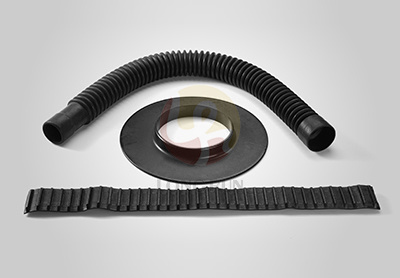
Rubber bellows are critical components in various automotive systems, serving as flexible seals that accommodate movement while protecting sensitive parts from contaminants. Understanding the different types of rubber bellows is essential for anyone involved in automotive maintenance, manufacturing, or repair. In this article, we will explore the various types of rubber bellows, their materials, applications, and installation processes to help you make the best choices for your automotive needs.
2. The Function and Importance of Rubber Bellows in Automobiles
Rubber bellows fulfill several vital functions in automotive applications. They serve to:
- **Protect sensitive components** from dirt, dust, and moisture.
- **Accommodate movement** between parts that need flexibility, such as drive shafts and suspension systems.
- **Reduce noise and vibration** by dampening impacts and absorbing shocks.
- **Enhance the longevity** of automotive systems by preventing wear and tear on critical components.
By performing these functions effectively, rubber bellows contribute significantly to the overall performance and durability of vehicles.
3. Types of Rubber Bellows for Automotive Applications
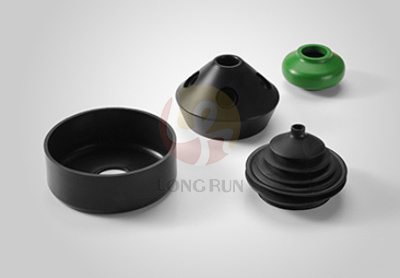
There are several types of rubber bellows suitable for automotive applications, each designed to meet specific needs. Understanding these types can help you select the right one for your vehicle.
3.1 Single-Ply Rubber Bellows
Single-ply rubber bellows are made from a single layer of rubber material. They are generally lightweight and flexible, allowing for easy installation in tight spaces. These bellows are ideal for applications where minimal movement occurs and are commonly used in:
- **Dust boots for ball joints**
- **Protective covers for sensors**
3.2 Multi-Ply Rubber Bellows
Multi-ply rubber bellows consist of multiple layers of rubber, providing enhanced durability and resistance to wear. They are designed to withstand greater stress and movement, making them suitable for more demanding applications, including:
- **Axle boots**
- **Shock absorber covers**
3.3 Custom-Made Rubber Bellows
Custom-made rubber bellows are tailored to fit specific requirements, dimensions, and performance characteristics. These bellows are ideal for unique applications where standard sizes do not fit. They can be engineered to meet precise specifications, ensuring optimal performance in specialized automotive components such as:
- **Engine mounts**
- **Transmission covers**
4. Common Materials Used in Rubber Bellows
The material used in rubber bellows significantly affects their performance, durability, and suitability for various applications. Common materials include:
- **Natural Rubber:** Offers good flexibility and resilience but may lack resistance to oil and heat.
- **EPDM (Ethylene Propylene Diene Monomer):** Known for its excellent weather and ozone resistance, making it ideal for outdoor applications.
- **Neoprene:** Provides better oil and heat resistance compared to natural rubber, suitable for use in engine compartments.
- **Silicone:** Offers high resistance to extreme temperatures and is often used in high-performance applications where heat is a concern.
Choosing the right material is essential for ensuring the longevity and effectiveness of rubber bellows in automotive systems.
5. Key Applications of Rubber Bellows in the Automotive Industry
Rubber bellows find applications across various automotive components and systems. Some notable uses include:
- **Suspension Systems:** Protecting components from dirt and debris while allowing for movement.
- **Engine Components:** Ensuring seals around various engine parts to prevent oil leaks and protecting against heat.
- **Transmission Systems:** Acting as protective covers for a range of moving parts to ensure smooth operation.
- **Steering Systems:** Providing flexibility and protection for tie rods and steering racks.
With their versatile nature, rubber bellows play a crucial role in maintaining vehicle performance and safety.
6. Installation and Maintenance of Rubber Bellows
Proper installation and maintenance of rubber bellows are essential to their functionality and longevity. Here are some steps and tips to keep in mind:
1. **Preparation:** Ensure the installation area is clean and free from debris. Check the surfaces for any damage that may affect the seal.
2. **Alignment:** Properly align the rubber bellows with the components they are protecting to avoid premature wear and tears.
3. **Secure Attachment:** Use appropriate clamps or fasteners to ensure a snug fit without overstressing the material, which could lead to failure.
4. **Regular Inspection:** Periodically inspect rubber bellows for signs of wear, cracking, or leakage, especially in high-stress areas.
5. **Replacement:** If you notice significant wear or damage, replace the rubber bellows promptly to avoid further damage to the components they protect.
Following these guidelines will help you maintain the functionality of rubber bellows in your automotive applications.
7. How to Choose the Right Rubber Bellows for Your Vehicle
Selecting the right rubber bellows involves considering several key factors:
- **Application Requirements:** Identify the specific function the bellows will serve, such as protection, flexibility, or vibration dampening.
- **Environmental Conditions:** Consider factors like temperature fluctuations, exposure to chemicals, and moisture that may affect the material choice.
- **Size and Fit:** Ensure the bellows are the correct size for the components they will be installed on to guarantee proper sealing and functionality.
- **Durability:** Choose materials that offer the right balance of flexibility and strength for the intended application.
By carefully evaluating these factors, you can choose rubber bellows that will enhance the performance and longevity of your vehicle.
8. Frequently Asked Questions
What are rubber bellows used for in automotive applications?
Rubber bellows are used primarily to protect sensitive automotive components from dirt, moisture, and vibration while allowing for necessary movement.
How do I know if my rubber bellows need replacement?
Signs of wear, such as cracks, tears, or leaks, indicate that rubber bellows may need replacement. Regular inspections can help identify these issues early.
Can I use any type of rubber bellows for my vehicle?
No, it’s essential to choose rubber bellows that are specifically designed for your vehicle’s application to ensure proper functionality and protection.
What materials are best for high-temperature applications?
Silicone rubber is an excellent choice for high-temperature applications due to its ability to withstand extreme heat without degradation.
How can I prolong the life of rubber bellows?
Regular inspections, proper installation, and using the right materials for the specific application can help prolong the life of rubber bellows.
9. Conclusion
Understanding the different types of rubber bellows and their applications in the automotive industry is essential for making informed decisions that enhance vehicle performance and longevity. From single-ply to custom-made options, each type of rubber bellows serves a unique purpose, contributing to the overall functionality of automotive systems. By selecting the right materials and ensuring proper installation and maintenance, we can ensure that our vehicles perform at their best while minimizing wear and tear on critical components.
Related News
Top Benefits of Using Customized Molded Rubber Balls in Your Projects
Top Benefits of Using Customized Molded Rubber Balls in Your Projects Introduction to Customized Molded Rubber Balls In the realm of industrial applications, **customized molded rubber balls** stand out as versatile components that can significantly enhance the efficiency and effectiveness of a wide array of projects. From manufacturing to product design, these rubber balls offer unique benefits t
Feb 24,2026
Understanding Quality Fiber Reinforced Diaphragms in the Rubber Industry
In the realm of rubber products, particularly those used in the chemical industry, the quality of components such as fiber reinforced diaphragms is crucial. These diaphragms play an integral role in providing structural integrity and durability in various applications. The incorporation of fiber reinforcement into diaphragm designs enhances their performance, making them suitable for a wide range
Feb 22,2026
Understanding the Different Types of Rubber Bellows for Automotive Applications
Understanding the Different Types of Rubber Bellows for Automotive Applications Table of Contents 1. Introduction to Rubber Bellows 2. The Function and Importance of Rubber Bellows in Automobiles 3. Types of Rubber Bellows for Automotive Applications 3.1 Single-Ply Rubber Bellows 3.2 Multi-Ply Rubber Bellows 3.3 Custom-Made Rubber Bellows 4. Common Materials
Feb 20,2026
Understanding the Role of Viton O-Rings in the Automotive Industry
In the automotive industry, the reliability and performance of components are critical for overall vehicle efficiency and safety. One of the unsung heroes in this realm is the Viton O-ring, a highly specialized sealing solution derived from fluoroelastomer material. Viton O-rings are renowned for their exceptional resistance to heat, chemicals, and wear, making them a preferred choice for numerous
Feb 18,2026
Understanding the Role of Rubber Bonded Metal Products in the Chemical Sector
Understanding the Role of Rubber Bonded Metal Products in the Chemical Sector Introduction to Rubber Bonded Metal Products Rubber bonded metal products represent a fusion of resilience and versatility, making them invaluable in the **chemical sector**. These composite materials, which bond rubber to metal substrates, offer unique properties that enhance the performance and durability of various
Feb 16,2026

Add: Building # 7, No. 27, Songbai Ling Avenue, Zhonghan Huizhou Industrial Park, Zhongkai High-tech Zone, Huizhou, Guangdong, China 516032

LONGRUN
Privacy Policy | SEO | Support: 300.cn