


Maximizing Efficiency with Rubber Bonded Metal Solutions in Industry
Publish:
2026-03-08


Maximizing Efficiency with Rubber Bonded Metal Solutions in Industry
Table of Contents
1. Introduction to Rubber Bonded Metal Solutions
2. What is Rubber Bonded Metal?
3. Applications of Rubber Bonded Metal in Various Industries
4. Advantages of Rubber Bonded Metal Solutions
5. The Engineering Behind Rubber Bonded Metal Solutions
6. How Rubber Bonded Metal Solutions Improv
Maximizing Efficiency with Rubber Bonded Metal Solutions in Industry
Table of Contents
- 1. Introduction to Rubber Bonded Metal Solutions
- 2. What is Rubber Bonded Metal?
- 3. Applications of Rubber Bonded Metal in Various Industries
- 4. Advantages of Rubber Bonded Metal Solutions
- 5. The Engineering Behind Rubber Bonded Metal Solutions
- 6. How Rubber Bonded Metal Solutions Improve Efficiency
- 7. Maintenance and Durability of Rubber Bonded Metal Components
- 8. Future Trends in Rubber Bonded Metal Technology
- 9. Frequently Asked Questions
- 10. Conclusion
1. Introduction to Rubber Bonded Metal Solutions
In the modern industrial landscape, the quest for enhanced efficiency and performance is relentless. **Rubber bonded metal solutions** have emerged as a game-changer, offering superior performance across various applications. From automotive to aerospace, the synergy between rubber and metal creates a robust yet flexible material that meets diverse industrial needs. This article delves into the intricacies of rubber bonded metal solutions, exploring their benefits, applications, and the engineering principles that make them so effective.
2. What is Rubber Bonded Metal?
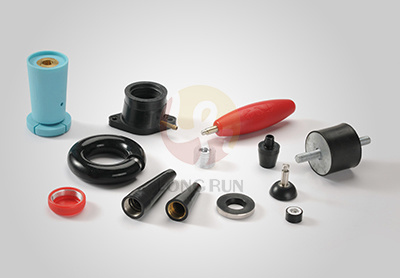
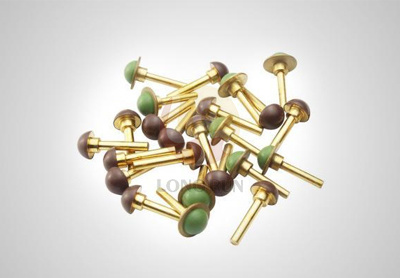
Rubber bonded metal refers to a composite material that integrates rubber with metal components through various bonding techniques. The primary goal of this combination is to leverage the unique properties of both materials. The **elasticity** and **vibration-dampening** capabilities of rubber are combined with the **strength** and **durability** of metals, resulting in a product that is both resilient and adaptable.
This bonding can be achieved through several methods, including:
- **Adhesive Bonding**: Utilizing adhesives to bond rubber and metal.
- **Mechanical Bonding**: Employing mechanical interlocks to secure the rubber to the metal substrate.
- **Compression Molding**: During the molding process, rubber is pressed around metal inserts.
3. Applications of Rubber Bonded Metal in Various Industries
Rubber bonded metal solutions have found a wide array of applications across different sectors, thanks to their versatile nature.
3.1 Automotive Industry
In the automotive sector, rubber bonded metals are crucial for producing components like engine mounts, bushings, and isolators. These parts significantly reduce vibrations and noise, contributing to a smoother ride.
3.2 Aerospace Industry
Aerospace applications benefit from rubber bonded metal solutions in structural components, where weight savings and durability are paramount. The combination helps maintain the integrity of aircraft structures while providing necessary flexibility.
3.3 Manufacturing and Machinery
In manufacturing, rubber bonded metal is commonly used in conveyor systems and machinery components. Their ability to absorb shocks and vibrations enhances operational efficiency and prolongs equipment life.
3.4 Construction and Civil Engineering
In construction, these materials are utilized in vibration isolation pads and soundproofing applications. They help mitigate noise pollution and structural vibrations, improving the overall comfort and safety of buildings.
4. Advantages of Rubber Bonded Metal Solutions
The integration of rubber and metal offers a variety of advantages that make rubber bonded metal solutions highly desirable in industrial applications.
4.1 Enhanced Vibration Damping
One of the primary benefits is the **excellent vibration damping** properties. This capability helps protect sensitive machinery and reduces wear and tear over time.
4.2 Improved Durability
Rubber bonded metals exhibit **superior durability** compared to traditional materials. They can withstand harsh environmental conditions, including extreme temperatures and corrosive substances.
4.3 Cost Effectiveness
These solutions often lead to **cost savings** by reducing maintenance needs and prolonging the lifespan of components. Companies can achieve lower operational costs through fewer replacements and repairs.
4.4 Lightweight Solution
The lightweight nature of rubber bonded metal components makes them an ideal choice for applications where weight reduction is critical, such as in aerospace and automotive industries.
5. The Engineering Behind Rubber Bonded Metal Solutions
Understanding the engineering principles behind rubber bonded metal solutions is essential to appreciating their effectiveness.
5.1 Material Selection
The choice of rubber and metal types significantly impacts performance. Engineers must select materials that not only bond well but also meet specific performance criteria.
5.2 Bonding Techniques
The method of bonding affects the mechanical properties of the final product. Factors like surface preparation, bond line thickness, and curing process are critical to achieving optimal adhesion.
5.3 Testing and Quality Control
Before deployment, rubber bonded metal components undergo rigorous testing to ensure they meet performance standards. This includes tensile testing, shear testing, and fatigue testing to guarantee reliability in real-world applications.
6. How Rubber Bonded Metal Solutions Improve Efficiency
Rubber bonded metal solutions play a pivotal role in enhancing operational efficiency across various industries.
6.1 Noise Reduction
By effectively dampening vibrations, these solutions contribute to a quieter work environment, which is essential for both safety and productivity.
6.2 Reduced Maintenance Downtime
The durability of rubber bonded metals means that machinery experiences less wear and tear, leading to fewer breakdowns and less downtime for maintenance.
6.3 Energy Savings
The reduction in vibration and noise can also lead to energy savings, as machinery operates more efficiently when components are not constantly subjected to excessive stress and strain.
7. Maintenance and Durability of Rubber Bonded Metal Components
Ensuring the longevity of rubber bonded metal components requires proper maintenance practices.
7.1 Regular Inspections
Industries should conduct regular inspections of rubber bonded metal components to identify any signs of wear or degradation early on.
7.2 Environmental Considerations
Understanding the environmental factors that can affect rubber bonded metal components, such as exposure to chemicals or extreme temperatures, is vital for maintaining their integrity.
7.3 Replacement Protocols
Establishing clear protocols for replacing worn components can help maintain system efficiency and reduce the risk of unexpected failures.
8. Future Trends in Rubber Bonded Metal Technology
The future of rubber bonded metal solutions looks promising, with several trends shaping the industry.
8.1 Advanced Materials
The development of new rubber formulations and metal alloys promises to enhance the performance characteristics of rubber bonded metal components.
8.2 Smart Technologies
Incorporating smart technologies, such as sensors that monitor the condition of bonded components, could lead to proactive maintenance strategies, further improving efficiency.
8.3 Sustainability Initiatives
As industries move towards more sustainable practices, the demand for eco-friendly rubber and metal solutions is likely to rise, driving innovation in material science.
9. Frequently Asked Questions
9.1 What industries benefit from rubber bonded metal solutions?
Rubber bonded metal solutions are widely used in automotive, aerospace, manufacturing, construction, and civil engineering industries.
9.2 How do rubber bonded metal solutions reduce vibration?
The rubber component's elasticity absorbs vibrations, while the metal provides structural support, effectively dampening noise and reducing wear.
9.3 What are common uses of rubber bonded metal in automotive applications?
Common applications include engine mounts, bushings, and isolators, which help improve ride quality by minimizing vibrations.
9.4 Are rubber bonded metal components easy to maintain?
Yes, regular inspections and adherence to maintenance protocols can significantly prolong their lifespan and operational efficiency.
9.5 What future advancements can we expect in rubber bonded metal technology?
Future advancements may include enhanced materials, incorporation of smart technologies, and increased focus on sustainability.
10. Conclusion
Rubber bonded metal solutions represent a vital innovation in modern industry, driving efficiency and performance across various applications. Their unique combination of properties enables businesses to improve operational efficiency, reduce costs, and enhance product quality. By understanding the engineering principles, applications, and benefits, industries can harness the full potential of these innovative materials. As technology continues to evolve, we can expect even more advancements in rubber bonded metal solutions, further solidifying their role in the industrial landscape.
Related News
The Essential Guide to Viton O Rings: Advantages and Applications in the Chemical Industry
Viton O rings are a type of elastomeric sealing solution that are widely used in various industries, particularly within the chemical sector due to their impressive resistance to extreme temperatures and aggressive chemicals. Composed of a fluoropolymer, Viton is renowned for its durability and high-performance characteristics, making it a preferred choice in applications where standard rubber may
Sep 09,2026
Exploring the Versatility of Molded Rubber Balls in Everyday Applications
Exploring the Versatility of Molded Rubber Balls in Everyday Applications Table of Contents Introduction to Molded Rubber Balls What Are Molded Rubber Balls? The Manufacturing Process of Molded Rubber Balls Benefits of Molded Rubber Balls Applications in Industrial Settings Recreational Uses of Molded Rubber Balls Environmental Impact and Sustainability Frequently
Sep 06,2026
Understanding Rubber Balls: Applications, Properties, and Innovations in the Rubber Industry
Rubber balls, a common yet versatile product, play a crucial role in various applications across multiple industries, including sports, recreational activities, and industrial uses. Made primarily from elastomers, rubber balls exhibit unique properties such as elasticity, durability, and resistance to wear and tear. These characteristics make them highly desirable in both consumer markets and indu
Sep 03,2026
Why Choose Rubber Flexible Connectors for Your Chemical Applications? Introduction to Rubber Flexible Connectors In the world of industrial applications, particularly within the chemical sector, the significance of choosing the right components cannot be overstated. Rubber flexible connectors play a pivotal role in ensuring the seamless transport of chemicals and other fluids. Their unique design
Aug 31,2026
Understanding Rubber Bonded Metal Products: Applications and Advantages
Rubber bonded metal products are specialized components that integrate rubber with metal substrates, creating a composite material that leverages the beneficial properties of both materials. This combination results in products that exhibit enhanced durability, flexibility, and resistance to environmental factors. The manufacturing process typically involves the application of rubber to a metal su
Aug 28,2026

Add: Building # 7, No. 27, Songbai Ling Avenue, Zhonghan Huizhou Industrial Park, Zhongkai High-tech Zone, Huizhou, Guangdong, China 516032

LONGRUN
Privacy Policy | SEO | Support: 300.cn