Rubber Gaskets: Reliable Sealing Solutions for Industrial and Automotive Applications
Publish:
2026-03-09


Rubber gaskets are essential sealing components used in automotive, industrial, and electronic equipment. They provide reliable sealing, prevent leakage, and enhance system stability with excellent flexibility, durability, and resistance to heat, oil, and chemicals.
The Importance of Rubber Gaskets in Modern Sealing Systems
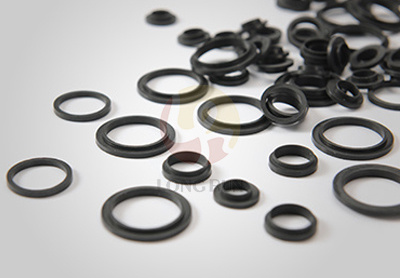
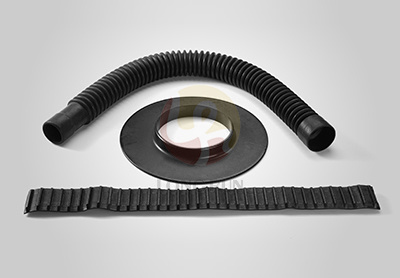
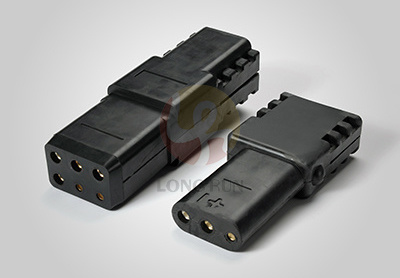
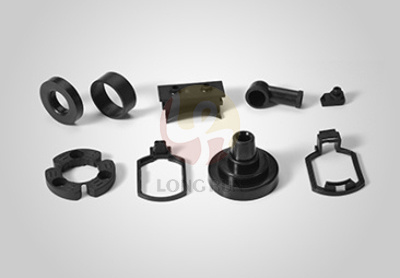
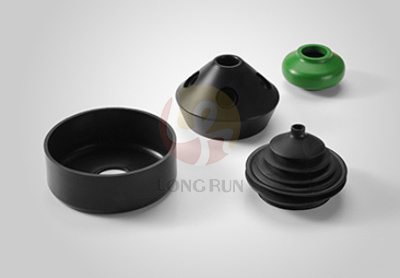
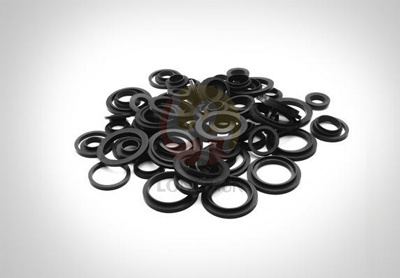
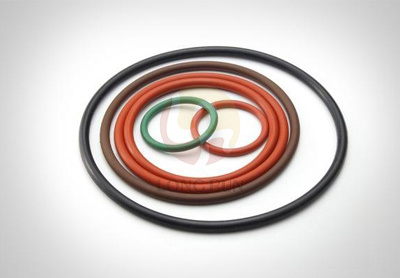
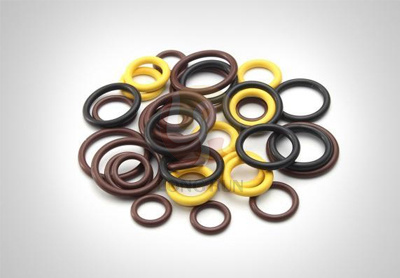
Rubber gaskets are essential sealing components widely used in mechanical systems, industrial equipment, and automotive assemblies. Their primary function is to create a tight seal between two surfaces, preventing leakage of liquids, gases, or contaminants while maintaining system pressure and stability. In modern manufacturing, rubber gaskets are valued for their flexibility, durability, and ability to adapt to irregular surfaces. These characteristics allow them to provide reliable sealing performance even under vibration, temperature variation, or mechanical stress. Rubber gasket products are commonly manufactured from materials such as NBR, EPDM, silicone, and FKM, each selected according to the operating environment and chemical compatibility requirements. These elastomer materials provide excellent resistance to oil, heat, corrosion, and environmental aging, making rubber gaskets suitable for both static and dynamic sealing applications. Rubber sealing products are widely used in industries such as automotive, electronics, home appliances, and telecommunications, where consistent sealing performance is critical to equipment safety and efficiency.
Materials and Structural Design of Rubber Gaskets
The performance of rubber gaskets depends heavily on material selection and structural design. Different rubber compounds provide unique advantages depending on the application environment. Nitrile rubber (NBR) offers excellent resistance to oil and fuels, making it suitable for automotive engines and fuel systems. EPDM rubber provides outstanding resistance to weathering, ozone, and UV radiation, making it ideal for outdoor equipment and water sealing systems. Silicone rubber maintains stable elasticity across a wide temperature range, while fluororubber (FKM) offers superior chemical and heat resistance for demanding industrial environments. In addition to material selection, gasket design also plays an important role in sealing efficiency. Engineers carefully control thickness, hardness, and compression characteristics to ensure the gasket maintains sufficient sealing pressure without causing excessive deformation. Precision molding technologies enable manufacturers to produce customized shapes and sizes that meet specific equipment requirements. Advanced manufacturing processes also improve dimensional accuracy, ensuring consistent sealing performance across large production batches.
Key Performance Advantages of Rubber Gaskets
Rubber gaskets provide several critical advantages that make them indispensable in modern engineering systems. One of the most important benefits is their excellent elasticity, which allows the gasket to conform closely to mating surfaces and maintain sealing even when minor misalignment or surface irregularities exist. This flexibility also enables rubber gaskets to absorb mechanical vibrations and compensate for thermal expansion between connected components. Another key advantage is durability. High-quality rubber compounds exhibit strong resistance to abrasion, compression, and environmental aging, allowing the gasket to maintain its sealing performance over long service periods. Additionally, rubber gaskets provide strong resistance to oils, chemicals, and moisture depending on the selected compound formulation. This chemical stability ensures reliable performance in harsh industrial environments. Modern rubber gasket products are also designed to meet strict international standards such as ISO and RoHS, ensuring safety, environmental compliance, and consistent product quality.
Applications Across Multiple Industries
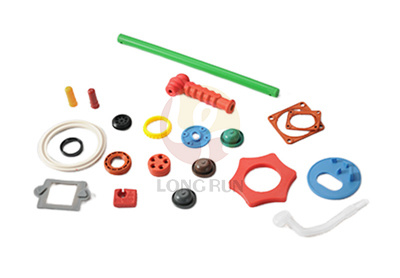
Rubber gaskets are used in a wide variety of industries due to their versatility and cost-effectiveness. In the automotive industry, rubber gaskets are used in engines, fuel systems, cooling systems, and battery sealing components to prevent fluid leakage and maintain operational efficiency. In the electronics and telecommunications sectors, rubber gaskets protect sensitive equipment from dust, moisture, and environmental contaminants. Industrial machinery relies on rubber gaskets to seal pumps, valves, compressors, and pipelines, ensuring safe and efficient operation. Household appliances such as washing machines, refrigerators, and air conditioners also depend on rubber gaskets to maintain airtight or watertight connections. Because rubber gaskets can be produced in custom shapes and sizes, manufacturers can design sealing solutions tailored to the precise requirements of different devices and operating environments.
Future Trends in Rubber Gasket Technology
With the continuous development of advanced manufacturing and materials engineering, rubber gasket technology is also evolving. Modern industries require sealing components that can operate under higher temperatures, stronger chemical exposure, and more demanding mechanical conditions. As a result, manufacturers are developing improved rubber formulations and composite materials to enhance performance and durability. New production techniques such as precision molding, automated inspection, and advanced material mixing are helping improve product consistency and quality control. At the same time, environmental regulations and sustainability goals are encouraging the development of eco-friendly rubber materials and energy-efficient production processes. In the future, rubber gaskets will continue to play a crucial role in industrial systems, helping ensure safety, reliability, and long-term equipment performance across multiple industries.
Related News
How to Identify a Trustworthy Rubber Bellows Manufacturer
How to Identify a Trustworthy Rubber Bellows Manufacturer Table of Contents 1. Introduction 2. Understanding Rubber Bellows 3. Importance of Quality in Manufacturing Rubber Bellows 4. Key Attributes of a Reputable Rubber Bellows Manufacturer 4.1 Certifications and Industry Standards 4.2 Experience and Expertise 4.3 Customer Service
Mar 12,2026
Exploring the Role of Viton O-Rings in the Automotive Industry
In the automotive industry, the demand for high-performance materials is crucial, especially in components that ensure the durability and reliability of vehicles. One such material that has gained prominence is Viton O-rings. Known for their superior properties, Viton O-rings play a vital role in various automotive applications, particularly where resistance to heat, chemicals, and wear is essenti
Mar 10,2026
Rubber Gaskets: Reliable Sealing Solutions for Industrial and Automotive Applications
Rubber gaskets are essential sealing components used in automotive, industrial, and electronic equipment. They provide reliable sealing, prevent leakage, and enhance system stability with excellent flexibility, durability, and resistance to heat, oil, and chemicals.
Mar 09,2026
Maximizing Efficiency with Rubber Bonded Metal Solutions in Industry
Maximizing Efficiency with Rubber Bonded Metal Solutions in Industry Table of Contents 1. Introduction to Rubber Bonded Metal Solutions 2. What is Rubber Bonded Metal? 3. Applications of Rubber Bonded Metal in Various Industries 4. Advantages of Rubber Bonded Metal Solutions 5. The Engineering Behind Rubber Bonded Metal Solutions 6. How Rubber Bonded Metal Solutions Improv
Mar 08,2026
Exploring the Versatility of Customized Molded Rubber Balls in Various Industries
Customized molded rubber balls are a significant innovation in the rubber industry, offering tailored solutions for a variety of applications. These balls are not just simple objects; they are specifically designed to meet the particular needs of different industries, ranging from sports to manufacturing and even medical fields. The customization aspect allows businesses to incorporate specific ma
Mar 06,2026

Add: Building # 7, No. 27, Songbai Ling Avenue, Zhonghan Huizhou Industrial Park, Zhongkai High-tech Zone, Huizhou, Guangdong, China 516032

LONGRUN
Privacy Policy | SEO | Support: 300.cn