
The Importance of Material Selection in Rubber Bellows Manufacturing: A Comprehensive Guide
Publish:
2026-05-13


The Importance of Material Selection in Rubber Bellows Manufacturing
Rubber bellows play a pivotal role in various industries, including automotive, aerospace, and electronics. These flexible components provide protection against dust, dirt, and moisture, while also accommodating movement between parts. However, the performance and longevity of rubber bellows heavily depend on the selection of mat
The Importance of Material Selection in Rubber Bellows Manufacturing
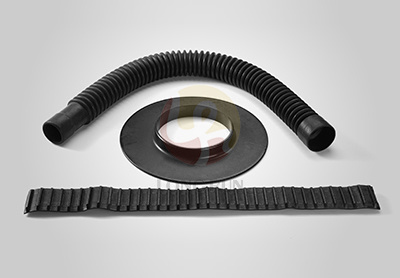
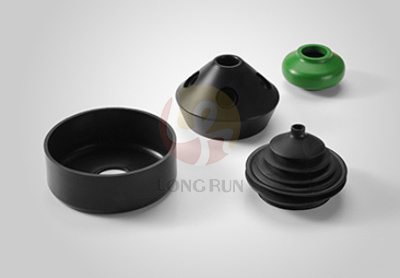
Rubber bellows play a pivotal role in various industries, including automotive, aerospace, and electronics. These flexible components provide protection against dust, dirt, and moisture, while also accommodating movement between parts. However, the performance and longevity of rubber bellows heavily depend on the selection of materials used in their manufacturing. This article delves into the factors influencing material selection and how it impacts the overall quality and functionality of rubber bellows.
Understanding Rubber Bellows: Functions and Applications
Rubber bellows are flexible, expandable components designed to protect moving parts from environmental factors. They are commonly used in:
- **Automotive Applications**: Protecting suspension systems, steering components, and drive shafts from contaminants.
- **Aerospace**: Ensuring reliability in critical systems exposed to extreme conditions.
- **Industrial Machinery**: Providing protection in environments where dust and debris can cause significant damage.
Each application demands specific material properties to ensure reliability and performance.
Key Factors Influencing Material Selection
Selecting the right material for rubber bellows is critical for achieving optimal performance. Here are the key considerations:
1. Environmental Resistance
Rubber bellows frequently encounter harsh environments. Resistance to ozone, UV radiation, and extreme temperatures is crucial. For instance, **EPDM (Ethylene Propylene Diene Monomer)** is favored for its superior weather resistance, while **Nitrile Rubber** offers excellent oil and fuel resistance, making it ideal for automotive applications.
2. Mechanical Properties
The mechanical properties of a rubber material, including tensile strength, elongation, and hardness, significantly impact the function of rubber bellows. **Silicone rubber**, for example, is known for its high flexibility and thermal stability, which are essential in applications that require extensive movement and exposure to varying temperatures.
3. Chemical Compatibility
Industries often use diverse chemicals that can interact with rubber. Understanding chemical compatibility is vital in preventing material degradation. **Fluoroelastomers** are commonly used in environments with aggressive chemicals, ensuring the longevity of rubber bellows.
4. Cost Considerations
While high-performance materials may offer superior characteristics, cost remains a significant factor. Manufacturers must balance material costs with performance requirements. Conducting a **cost-benefit analysis** can help determine the most economical choice without compromising quality.
5. Manufacturing Techniques
The chosen material must align with the manufacturing techniques employed. Some materials are more suited for molding processes, while others may require extrusion. This aspect influences the production efficiency and quality of the final product.
6. Regulatory Compliance
Different industries have specific regulations governing material usage, especially in sectors like food and pharmaceuticals. Ensuring that the selected materials comply with relevant standards is essential to avoid legal issues and ensure safety.
Common Materials Used in Rubber Bellows Manufacturing
Understanding the properties and uses of various materials will aid in making informed decisions during the selection process.
1. Natural Rubber
Natural rubber provides excellent flexibility and resilience, making it suitable for applications involving dynamic movements. However, it has limited resistance to aging and weathering.
2. Synthetic Rubber
- **Nitrile Rubber (NBR)**: Known for its excellent resistance to oil, fuels, and other petroleum products, making it ideal for automotive applications.
- **EPDM**: Offers outstanding resistance to UV rays and ozone, making it suitable for outdoor applications.
- **Neoprene**: Balances flexibility and chemical resistance, often used in industrial applications.
3. Silicone Rubber
Silicone rubber excels in high-temperature applications and is often used in aerospace and automotive industries. Its versatility and durability make it a popular choice.
4. Fluoroelastomers
Fluoroelastomers are designed for extreme conditions, providing excellent chemical resistance and high-temperature stability, making them suitable for specialized applications.
Best Practices for Material Selection in Rubber Bellows Manufacturing
To ensure optimal performance and longevity of rubber bellows, consider the following best practices:
1. Conduct Thorough Research
Gather data on the specific requirements and conditions that the rubber bellows will face. This includes understanding the operational environment, potential contaminants, and mechanical stresses.
2. Collaborate with Material Experts
Engage with material scientists or engineers who specialize in rubber materials. Their expertise can guide the selection process, ensuring that the chosen materials align with industry standards and performance requirements.
3. Perform Testing and Validation
Before full-scale production, conduct testing on selected materials to validate their performance under expected conditions. This might include stress testing, chemical exposure trials, and environmental simulations.
4. Stay Updated on Material Innovations
The field of material science is constantly evolving. Stay informed about the latest advancements in rubber materials and manufacturing techniques to leverage cutting-edge solutions.
5. Prioritize Sustainability
As industries shift towards more sustainable practices, consider using eco-friendly materials and processes in rubber bellows manufacturing. This not only enhances your brand's reputation but also contributes to environmental preservation.
Conclusion
In summary, the selection of materials in rubber bellows manufacturing is a multifaceted process that requires careful consideration of various factors. By understanding the specific requirements of your application, collaborating with experts, and prioritizing testing, manufacturers can produce high-quality, durable rubber bellows that meet the demands of diverse industries. The right material choice not only enhances performance but also ensures compliance with industry standards and contributes to sustainability efforts. As we navigate the complexities of material selection, we empower our operations to achieve greater efficiency and reliability.
FAQs
1. What is the best material for automotive rubber bellows?
The best material for automotive rubber bellows is typically Nitrile Rubber (NBR) due to its excellent oil resistance and durability.
2. How does temperature affect rubber bellows performance?
Temperature can significantly affect rubber bellows' flexibility and lifespan. Selecting materials with appropriate thermal stability is essential for high-temperature applications.
3. Can rubber bellows be recycled?
Yes, many rubber materials can be recycled, but the process depends on the specific type of rubber and its formulation.
4. What are the signs of rubber bellows failure?
Signs of rubber bellows failure include cracks, tears, or leaks, which can lead to contamination of internal components.
5. How can I improve the lifespan of rubber bellows?
Choosing the right materials, ensuring proper installation, and conducting regular maintenance can significantly improve the lifespan of rubber bellows.
Related News
Unlocking the Potential of Customized Molded Rubber Balls in Diverse Applications
Customized molded rubber balls are increasingly recognized for their versatility and practicality across a range of industries, particularly in the chemical and rubber sectors. By tailoring the design and material composition of these balls to meet specific requirements, businesses can unlock significant advantages for their applications. One of the primary benefits of customized molded rubber bal
May 14,2026
Rubber Bonded Metal Products: Essential Components for the Chemical Industry
Rubber Bonded Metal Products: Essential Components for the Chemical Industry Table of Contents Introduction to Rubber Bonded Metal Products What Are Rubber Bonded Metal Products? Importance of Rubber Bonded Metal in the Chemical Industry Applications of Rubber Bonded Metal Products Manufacturing Process of Rubber Bonded Metal Products Advantages of Using Rubber Bonded Meta
May 14,2026
Understanding the Role of Viton O-Rings in the Automotive Industry
Viton O-Rings have become an essential component in the automotive industry, primarily due to their excellent properties that cater to a wide range of applications. Viton, a brand name for a type of fluorocarbon elastomer, is known for its superior resistance to chemicals, heat, and aging. This makes it an ideal choice for sealing solutions in diverse automotive environments, where durability and
May 13,2026
The Importance of Material Selection in Rubber Bellows Manufacturing: A Comprehensive Guide
The Importance of Material Selection in Rubber Bellows Manufacturing Rubber bellows play a pivotal role in various industries, including automotive, aerospace, and electronics. These flexible components provide protection against dust, dirt, and moisture, while also accommodating movement between parts. However, the performance and longevity of rubber bellows heavily depend on the selection of mat
May 13,2026
Understanding Quality Fiber Reinforced Diaphragms in Chemical Applications
In the realm of chemical processing, the demand for durable and efficient materials is ever-increasing. One such material that has proven to be invaluable is the quality fiber reinforced diaphragm. These diaphragms are engineered to offer superior performance, making them essential in various applications within the chemical and rubber industries. Quality fiber reinforced diaphragms are designed t
May 13,2026

Add: Building # 7, No. 27, Songbai Ling Avenue, Zhonghan Huizhou Industrial Park, Zhongkai High-tech Zone, Huizhou, Guangdong, China 516032

LONGRUN
Privacy Policy | SEO | Support: 300.cn