
Rubber Bonded Metal Products: Essential Components for the Chemical Industry
Publish:
2026-05-14


Rubber Bonded Metal Products: Essential Components for the Chemical Industry
Table of Contents
Introduction to Rubber Bonded Metal Products
What Are Rubber Bonded Metal Products?
Importance of Rubber Bonded Metal in the Chemical Industry
Applications of Rubber Bonded Metal Products
Manufacturing Process of Rubber Bonded Metal Products
Advantages of Using Rubber Bonded Meta
Rubber Bonded Metal Products: Essential Components for the Chemical Industry
Table of Contents
- Introduction to Rubber Bonded Metal Products
- What Are Rubber Bonded Metal Products?
- Importance of Rubber Bonded Metal in the Chemical Industry
- Applications of Rubber Bonded Metal Products
- Manufacturing Process of Rubber Bonded Metal Products
- Advantages of Using Rubber Bonded Metal Products
- Challenges in the Use of Rubber Bonded Metal Products
- Future Trends in Rubber Bonded Metal Products
- Conclusion
- Frequently Asked Questions
Introduction to Rubber Bonded Metal Products
In the dynamic landscape of the chemical industry, the demand for innovative materials that enhance efficiency, durability, and safety continues to rise. **Rubber bonded metal products** have emerged as crucial components that not only meet these demands but also offer unique advantages in various applications. By understanding the importance and functionality of these products, professionals in the chemical industry can make informed decisions that drive productivity and ensure safety.
What Are Rubber Bonded Metal Products?
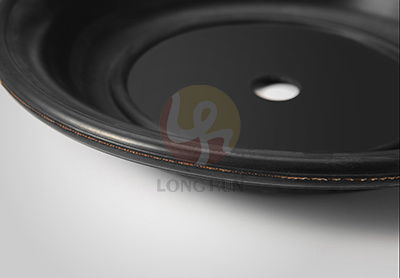
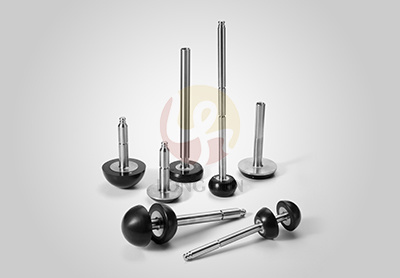
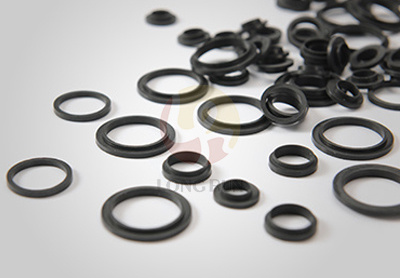
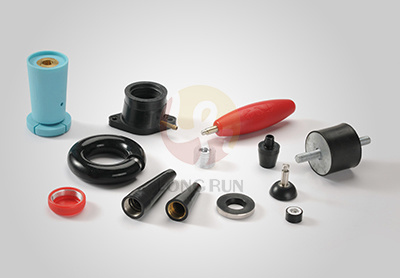
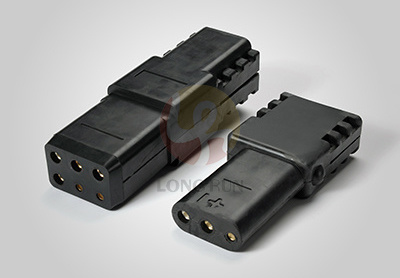
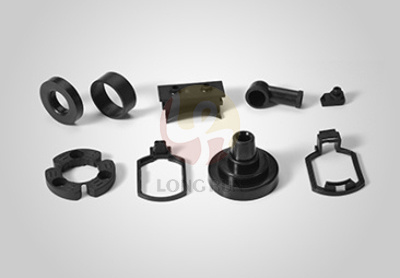
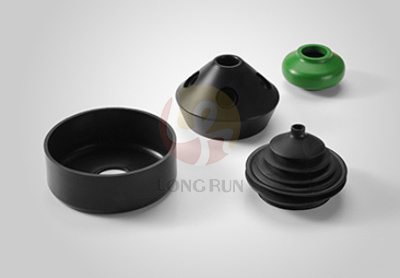
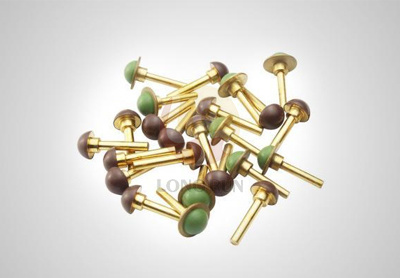
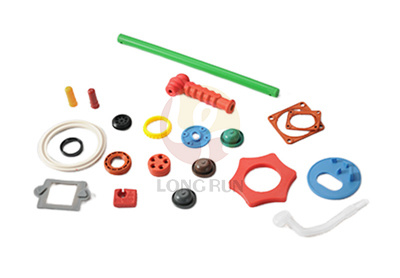
Rubber bonded metal products consist of a metal substrate that is bonded to a layer of rubber or elastomeric material. This combination allows for the unique properties of both materials to be utilized, making them ideal for applications requiring flexibility, vibration dampening, and resistance to chemicals. Common examples include rubber mounts, grommets, and seals, which are integral to many industrial systems.
Key Materials Used
The selection of materials plays a vital role in the performance of rubber bonded metal products. Typically, **metal substrates** such as steel, aluminum, or brass are used alongside various rubber types like natural rubber, nitrile, or silicone, depending on the application's specific requirements.
Importance of Rubber Bonded Metal in the Chemical Industry
The chemical industry is characterized by harsh operating conditions, including extreme temperatures, corrosive substances, and rigorous mechanical stresses. Rubber bonded metal products address these challenges by providing:
Chemical Resistance
The rubber component is often engineered to withstand specific chemicals, reducing the risk of degradation and failure. This resistance is crucial in environments where exposure to aggressive substances is common.
Vibration and Shock Absorption
In many operations, machinery generates vibrations that can lead to wear and tear. The rubber layer effectively absorbs shocks and dampens vibrations, extending the lifespan of equipment and enhancing safety.
Sealing Capabilities
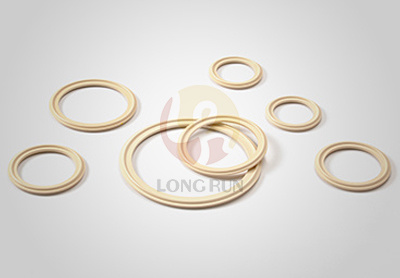
Rubber bonded metal products are frequently used as seals and gaskets, creating tight seals that prevent leaks and contamination, which is essential for maintaining product integrity and safety in chemical processes.
Applications of Rubber Bonded Metal Products
Rubber bonded metal products find applications in various areas of the chemical industry, including:
1. Pumps and Compressors
These components are commonly utilized in pumps and compressors to provide vibration isolation and protect sensitive equipment from mechanical shocks.
2. Valves and Fittings
In valves and fittings, rubber bonded products ensure secure seals, preventing leaks and maintaining pressure integrity within pipelines.
3. Machinery Mounts
Machines are often mounted on rubber isolators to minimize vibration transfer to surrounding structures, which enhances operational stability.
4. Chemical Storage Tanks
Rubber bonded metal gaskets are essential for tanks storing corrosive substances, ensuring that no leaks occur which could lead to catastrophic failures.
Manufacturing Process of Rubber Bonded Metal Products
The production of rubber bonded metal products involves several steps to ensure optimal performance and durability:
1. Material Selection
The first step involves selecting appropriate metal and rubber materials based on the application's specific needs, including temperature resistance and chemical compatibility.
2. Surface Preparation
The metal substrate must be meticulously prepared to enhance adhesion with the rubber. This may involve cleaning, roughening, or applying a primer to the surface.
3. Bonding Process
The bonding is typically achieved through processes such as vulcanization, where heat and pressure are applied to form a chemical bond between the rubber and metal.
4. Quality Control
After manufacturing, rigorous testing is conducted to ensure that the rubber bonded metal products meet industry standards for performance and safety.
Advantages of Using Rubber Bonded Metal Products
Utilizing rubber bonded metal products provides numerous benefits that can significantly enhance operations in the chemical industry:
1. Enhanced Durability
These products are designed to withstand harsh environments, reducing the frequency of replacements and maintenance.
2. Improved Safety
By providing effective sealing and vibration dampening, these products contribute to a safer working environment, minimizing the risk of accidents.
3. Cost-Effectiveness
Though initial costs may be higher, the long-term savings associated with reduced maintenance and downtime make rubber bonded metal products a wise investment.
4. Customization
Manufacturers can customize rubber bonded metal products to meet specific requirements, ensuring optimal performance in unique applications.
Challenges in the Use of Rubber Bonded Metal Products
While rubber bonded metal products offer significant advantages, there are challenges that need to be addressed:
1. Adhesion Issues
Achieving a strong bond between rubber and metal can be challenging, especially when dealing with different chemical environments that may affect adhesion.
2. Temperature Limitations
Each rubber type has temperature limitations, and exceeding these can lead to premature failure, necessitating careful material selection.
3. Aging and Degradation
Rubber materials can degrade over time due to environmental factors, requiring regular inspections to ensure continued effectiveness.
Future Trends in Rubber Bonded Metal Products
As technology and materials science continue to evolve, so too will the development of rubber bonded metal products. Some anticipated trends include:
1. Advanced Materials
Emerging materials that offer enhanced properties, such as higher resilience and greater chemical resistance, are likely to be incorporated into future products.
2. Improved Manufacturing Techniques
Innovations in manufacturing processes may lead to more efficient production methods, reducing costs and improving quality.
3. Sustainability
With an increasing focus on sustainability, manufacturers may explore eco-friendly materials and processes, aligning with global environmental goals.
Conclusion
Rubber bonded metal products are fundamental components in the chemical industry, providing critical advantages such as chemical resistance, vibration dampening, and sealing capabilities. Their unique properties make them indispensable in various applications, from pumps to storage tanks. As we look to the future, continued advancements in materials and manufacturing techniques will enhance these products' performance, ensuring their pivotal role in maintaining safety and efficiency in the chemical sector.
Frequently Asked Questions
1. What are the primary uses of rubber bonded metal products in the chemical industry?
Rubber bonded metal products are primarily used in pumps, valves, machinery mounts, and chemical storage tanks due to their vibration dampening and sealing properties.
2. How are rubber bonded metal products manufactured?
They are manufactured through a process involving material selection, surface preparation, bonding (often via vulcanization), and quality control testing.
3. What advantages do rubber bonded metal products offer over traditional materials?
They provide enhanced durability, improved safety, cost-effectiveness, and customization options tailored to specific application needs.
4. Are there any challenges associated with rubber bonded metal products?
Challenges include potential adhesion issues, temperature limitations, and degradation over time, necessitating careful material selection and regular maintenance.
5. What is the future outlook for rubber bonded metal products?
The future of rubber bonded metal products looks promising, with advancements in materials, manufacturing techniques, and a focus on sustainability driving innovation in the industry.
Related News
Unlocking the Potential of Customized Molded Rubber Balls in Diverse Applications
Customized molded rubber balls are increasingly recognized for their versatility and practicality across a range of industries, particularly in the chemical and rubber sectors. By tailoring the design and material composition of these balls to meet specific requirements, businesses can unlock significant advantages for their applications. One of the primary benefits of customized molded rubber bal
May 14,2026
Rubber Bonded Metal Products: Essential Components for the Chemical Industry
Rubber Bonded Metal Products: Essential Components for the Chemical Industry Table of Contents Introduction to Rubber Bonded Metal Products What Are Rubber Bonded Metal Products? Importance of Rubber Bonded Metal in the Chemical Industry Applications of Rubber Bonded Metal Products Manufacturing Process of Rubber Bonded Metal Products Advantages of Using Rubber Bonded Meta
May 14,2026
Understanding the Role of Viton O-Rings in the Automotive Industry
Viton O-Rings have become an essential component in the automotive industry, primarily due to their excellent properties that cater to a wide range of applications. Viton, a brand name for a type of fluorocarbon elastomer, is known for its superior resistance to chemicals, heat, and aging. This makes it an ideal choice for sealing solutions in diverse automotive environments, where durability and
May 13,2026
The Importance of Material Selection in Rubber Bellows Manufacturing: A Comprehensive Guide
The Importance of Material Selection in Rubber Bellows Manufacturing Rubber bellows play a pivotal role in various industries, including automotive, aerospace, and electronics. These flexible components provide protection against dust, dirt, and moisture, while also accommodating movement between parts. However, the performance and longevity of rubber bellows heavily depend on the selection of mat
May 13,2026
Understanding Quality Fiber Reinforced Diaphragms in Chemical Applications
In the realm of chemical processing, the demand for durable and efficient materials is ever-increasing. One such material that has proven to be invaluable is the quality fiber reinforced diaphragm. These diaphragms are engineered to offer superior performance, making them essential in various applications within the chemical and rubber industries. Quality fiber reinforced diaphragms are designed t
May 13,2026

Add: Building # 7, No. 27, Songbai Ling Avenue, Zhonghan Huizhou Industrial Park, Zhongkai High-tech Zone, Huizhou, Guangdong, China 516032

LONGRUN
Privacy Policy | SEO | Support: 300.cn