
How to Select the Right Rubber Bonded Metal Products for Your Needs
Publish:
2026-05-27


How to Select the Right Rubber Bonded Metal Products for Your Needs
Table of Contents
Introduction to Rubber Bonded Metal Products
Understanding Rubber Bonded Metal Products
Key Factors in Selecting Rubber Bonded Metal Products
Material Compatibility
Manufacturing Processes
Performance Requirements
Applica
How to Select the Right Rubber Bonded Metal Products for Your Needs
Table of Contents
- Introduction to Rubber Bonded Metal Products
- Understanding Rubber Bonded Metal Products
- Key Factors in Selecting Rubber Bonded Metal Products
- Applications of Rubber Bonded Metal Products
- Industry Standards and Certifications
- Common Mistakes to Avoid When Selecting Products
- Maintenance and Care of Rubber Bonded Metal Products
- Frequently Asked Questions (FAQs)
- Conclusion
Introduction to Rubber Bonded Metal Products
Rubber bonded metal products serve as essential components across various industries, including automotive, aerospace, and construction. These products combine the durability of metal with the elasticity of rubber, creating interfaces that can withstand significant stress and environmental factors. Selecting the right rubber bonded metal products is crucial for ensuring longevity and performance in specific applications. In this guide, we will delve into the key considerations and factors to keep in mind when choosing these products to meet your unique needs.
Understanding Rubber Bonded Metal Products
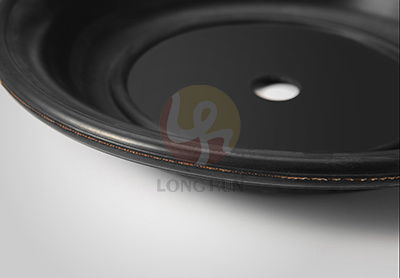
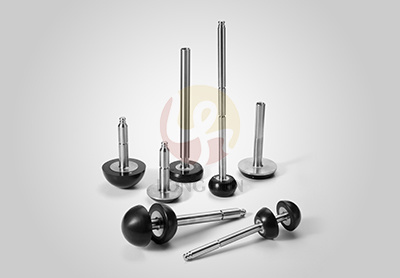
Rubber bonded metal products are typically manufactured by adhering rubber compounds to metal substrates. This bonding process enhances the metal's durability while providing the advantages of rubber, such as vibration dampening and chemical resistance. Common applications include vibration isolators, seals, and gaskets that require a combination of flexibility and strength.
Types of Rubber Bonded Metal Products
There are several types of rubber bonded metal products, including:
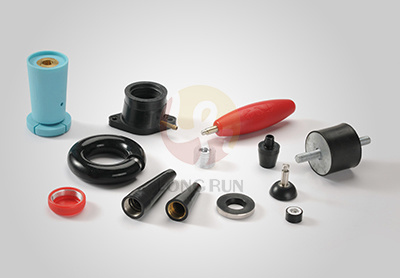
- **Vibration Dampers**: Used in machinery to absorb vibrations and reduce noise.
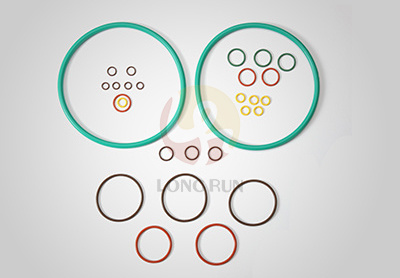
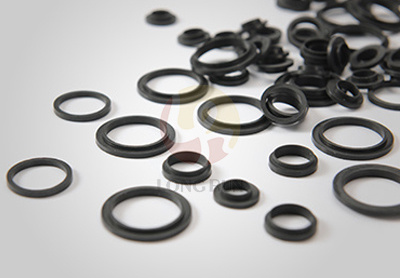
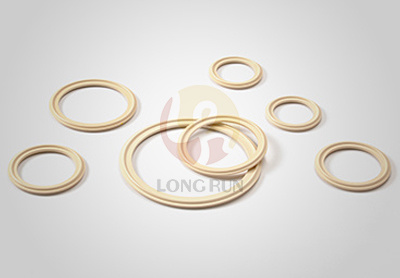
- **Seals and Gaskets**: Prevent leaks in a variety of applications, from plumbing to automotive.
- **Mounts and Bushings**: Support and stabilize equipment, ensuring consistent performance.
Understanding these types helps narrow down your choices based on your specific requirements.
Key Factors in Selecting Rubber Bonded Metal Products
Choosing the right rubber bonded metal products requires careful consideration of several factors. These elements ensure that the products selected will perform optimally in their designated applications.
Material Compatibility
**Material compatibility** is a primary consideration when selecting rubber bonded metal products. The type of rubber must align well with the metal substrate to create a strong bond. Common rubber materials include:
- **Natural Rubber**: Excellent elasticity and resilience, but limited in chemical resistance.
- **Neoprene**: Good resistance to oil, heat, and weathering, making it suitable for outdoor applications.
- **EPDM**: Known for its superior resistance to heat, ozone, and weathering, ideal for automotive seals.
Understanding the operational environment will help in selecting materials that can withstand specific conditions, such as exposure to chemicals or extreme temperatures.
Manufacturing Processes
The manufacturing process used to create rubber bonded metal products can significantly affect their performance and durability. Common methods include:
- **Compression Molding**: Involves pressing rubber into a mold with the metal component.
- **Injection Molding**: Offers better precision and can produce complex shapes, often used for high-volume production.
- **Bonding Techniques**: Both chemical and physical bonding methods can affect how well the rubber adheres to the metal.
Choosing the right manufacturing process depends on the complexity of the design, volume requirements, and specific application needs.
Performance Requirements
Performance requirements encompass factors such as load-bearing capacity, temperature tolerance, and resistance to wear and tear. Evaluating these requirements entails:
- **Load Capacity**: Understanding the forces that will act on the product during its lifespan.
- **Temperature Range**: Identifying the maximum and minimum temperatures the product will encounter.
- **Environmental Factors**: Considering exposure to chemicals, moisture, and UV light.
By matching these performance specifications to the right product, you can ensure long-lasting functionality.
Applications of Rubber Bonded Metal Products
Rubber bonded metal products find diverse applications across various industries. Understanding these applications helps to identify what type of product you need for your specific situation.
Automotive Industry
In the automotive sector, these products are used for engine mounts, bushings, and gaskets. They provide essential vibration dampening and sealing capabilities, contributing to smoother rides and improved vehicle performance.
Aerospace Industry
In aerospace, rubber bonded metal products are utilized in components requiring lightweight yet durable materials that can withstand extreme conditions. These include vibration isolators and seals that ensure the safety and reliability of aircraft.
Construction Industry
The construction industry employs these products in applications such as expansion joints, seismic isolation systems, and support structures. Their ability to absorb shocks and vibrations is invaluable in ensuring structural integrity.
Industry Standards and Certifications
Compliance with industry standards is paramount when selecting rubber bonded metal products. Look for certifications such as ISO 9001, which ensures quality management systems are in place, and specific material certifications that guarantee performance and safety.
Adhering to these standards not only ensures product reliability but also helps meet regulatory requirements that may be mandated in certain industries.
Common Mistakes to Avoid When Selecting Products
In the selection process, certain pitfalls can lead to suboptimal choices. Avoiding these mistakes can save time and resources:
- **Neglecting Material Compatibility**: Always verify that the chosen rubber and metal materials are compatible to prevent premature failure.
- **Overlooking Performance Specifications**: Failing to consider load and environmental factors can result in inadequate product performance.
- **Choosing Aesthetics Over Function**: While appearance can be important, functionality should always take precedence in industrial applications.
Maintenance and Care of Rubber Bonded Metal Products
Proper maintenance of rubber bonded metal products can significantly extend their lifespan. Key practices include:
- **Regular Inspections**: Check for signs of wear, cracks, or deterioration.
- **Cleaning**: Use appropriate cleaning agents to prevent buildup of debris and contaminants.
- **Storage**: Store products in a controlled environment to reduce exposure to extreme conditions.
Implementing these practices helps maintain the integrity and performance of the products over time.
Frequently Asked Questions (FAQs)
1. What are the main advantages of rubber bonded metal products?
Rubber bonded metal products offer excellent durability, vibration dampening, and resistance to environmental factors, making them suitable for various industrial applications.
2. How do I know which type of rubber to use?
Choosing the right rubber depends on the environment and specific requirements related to temperature, chemical exposure, and flexibility.
3. Can rubber bonded metal products be customized?
Yes, many manufacturers offer customization options to meet specific design and performance needs.
4. What is the typical lifespan of rubber bonded metal products?
The lifespan varies based on application and material, but with proper care, they can last several years.
5. How can I ensure the rubber and metal bond performs effectively?
Choosing compatible materials, following recommended manufacturing processes, and adhering to maintenance practices will help ensure effective bonding.
Conclusion
Selecting the right rubber bonded metal products is a critical process that requires careful consideration of various factors, including material compatibility, manufacturing methods, and performance requirements. By thoroughly understanding your needs and avoiding common pitfalls, you can make informed choices that enhance the performance and longevity of your selected products. As industries continue to evolve and innovate, staying informed about advancements in rubber bonded metal technology will empower you to make the best decisions for your applications.
Prev:
Related News
How to Select the Right Rubber Bonded Metal Products for Your Needs
How to Select the Right Rubber Bonded Metal Products for Your Needs Table of Contents Introduction to Rubber Bonded Metal Products Understanding Rubber Bonded Metal Products Key Factors in Selecting Rubber Bonded Metal Products Material Compatibility Manufacturing Processes Performance Requirements Applica
May 27,2026
Understanding Customized Molded Rubber Balls: Applications, Benefits, and Considerations
Customized molded rubber balls are increasingly becoming a preferred choice in various industries due to their versatility and adaptability. These specialized products are crafted to meet unique specifications, allowing businesses to tailor them for specific applications. One of the key advantages of customized molded rubber balls is their ability to be produced in various sizes, shapes, and mater
May 25,2026
Quality Fiber Reinforced Diaphragms: Revolutionizing the Rubber Product Landscape
Quality Fiber Reinforced Diaphragms: Revolutionizing the Rubber Product Landscape Table of Contents 1. Introduction to Fiber Reinforced Diaphragms 2. Understanding the Composition of Fiber Reinforced Diaphragms 3. The Unique Benefits of Fiber Reinforced Diaphragms 3.1 Enhanced Durability and Performance 3.2 Weight Reduction and Energy Efficiency 3.3 Versatility Across Industries 4. Applications of
May 23,2026
Exploring the Role of Rubber Bellows Manufacturers in the Automotive Industry
In the automotive industry, rubber bellows play a crucial role in various applications, particularly in automotive horizontal components and rubber hoses. As flexible and durable components, they are designed to accommodate movement, maintain pressure, and protect against contaminants. Rubber bellows are commonly used in areas such as suspension systems, exhaust systems, and steering systems, wher
May 21,2026
The Cost-Effectiveness of Implementing Viton O-Rings in Automotive Designs
The Cost-Effectiveness of Implementing Viton O-Rings in Automotive Designs Table of Contents 1. Introduction to Viton O-Rings and Their Importance in Automotive Engineering 2. Advantages of Viton O-Rings Over Traditional Materials 3. Cost Analysis: Initial Investment vs. Long-Term Savings 3.1 Breakdown of Costs Associated with Viton O-Rings 3.2 Comparison with Alternative Sealing Solutions 4. Perf
May 19,2026

Add: Building # 7, No. 27, Songbai Ling Avenue, Zhonghan Huizhou Industrial Park, Zhongkai High-tech Zone, Huizhou, Guangdong, China 516032

LONGRUN
Privacy Policy | SEO | Support: 300.cn