

Cost-Effective Solutions: Customized Molded Rubber Balls for Budget-Conscious Buyers
Publish:
2026-06-04


Cost-Effective Solutions: Customized Molded Rubber Balls for Budget-Conscious Buyers
Table of Contents
Introduction to Customized Molded Rubber Balls
The Benefits of Customized Molded Rubber Balls
Understanding Rubber Materials for Customized Solutions
Manufacturing Process of Molded Rubber Balls
Applications of Customized Molded Rubber Balls
Exploring Cost-Effective Optio
Cost-Effective Solutions: Customized Molded Rubber Balls for Budget-Conscious Buyers
Table of Contents
- Introduction to Customized Molded Rubber Balls
- The Benefits of Customized Molded Rubber Balls
- Understanding Rubber Materials for Customized Solutions
- Manufacturing Process of Molded Rubber Balls
- Applications of Customized Molded Rubber Balls
- Exploring Cost-Effective Options
- Maintaining Quality While Reducing Costs
- Frequently Asked Questions
- Conclusion
Introduction to Customized Molded Rubber Balls
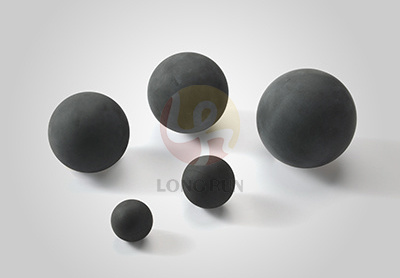
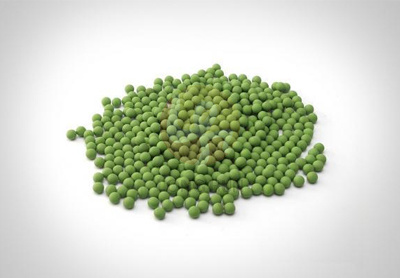
Customized molded rubber balls serve a diverse range of industries, from automotive to recreational applications. These products are designed to meet specific requirements while remaining budget-friendly. In this article, we will delve into the various aspects of customized molded rubber balls, focusing on their cost-effective solutions for buyers who are conscious of their spending.
The Benefits of Customized Molded Rubber Balls
Customized molded rubber balls offer several advantages:
1. Tailored Solutions for Unique Needs
Every industry has distinct requirements. Customized molded rubber balls can be designed to fit specific dimensions, hardness, and elasticity, making them ideal for any application.
2. Cost-Effectiveness
By opting for customized solutions, businesses can achieve significant savings. Bulk manufacturing and direct sourcing allow companies to reduce costs while maintaining quality.
3. Durability and Longevity
High-quality rubber materials ensure that customized balls withstand wear and tear, providing long-lasting performance. This durability means less frequent replacements, further saving costs over time.
4. Versatility
These rubber balls can be used in various applications such as industrial machinery, sports equipment, and even as promotional items. This versatility maximizes their utility across multiple sectors.
Understanding Rubber Materials for Customized Solutions
Choosing the right material is crucial for the performance of molded rubber balls. Let’s explore some commonly used rubber types:
1. Natural Rubber
Known for its excellent elasticity and resilience, natural rubber is ideal for applications requiring flexibility and durability.
2. Synthetic Rubber
Synthetic rubber, such as neoprene and silicone, is engineered to withstand extreme temperatures and environmental conditions, making it suitable for industrial applications.
3. EPDM Rubber
Ethylene Propylene Diene Monomer (EPDM) rubber is highly resistant to UV rays and ozone, making it perfect for outdoor applications.
4. Nitrile Rubber
For situations involving oil and chemical exposure, nitrile rubber is an excellent choice due to its resistance to degradation.
Manufacturing Process of Molded Rubber Balls
The manufacturing process of customized molded rubber balls typically involves several key steps:
1. Design and Prototyping
In this initial phase, designs are created based on customer specifications, often using CAD software to visualize the final product.
2. Material Selection
Selecting the appropriate rubber material is critical for achieving the desired performance characteristics.
3. Mixing and Compounding
The raw rubber is mixed with additives to enhance properties such as durability and flexibility.
4. Molding
The mixed rubber is then poured into molds of the desired shape and size. Techniques such as compression molding and injection molding are commonly used.
5. Curing
The molded rubber balls undergo a curing process, typically using heat, which helps achieve the desired hardness and elasticity.
6. Quality Control
Before shipping, each batch of molded rubber balls goes through rigorous quality checks to ensure consistency and performance standards are met.
Applications of Customized Molded Rubber Balls
Customized molded rubber balls find applications in various fields:
1. Industrial Applications
Used in machines and equipment, these rubber balls help reduce friction and wear, increasing operational efficiency.
2. Recreational Use
Customized balls are commonly used in sports, games, and toys, offering tailored solutions for specific activities.
3. Promotional Products
Businesses often use custom rubber balls as promotional items, allowing for branding opportunities that are functional and distinctive.
4. Medical Devices
Certain specialized rubber balls are used in medical applications, where they serve functions such as cushioning and protection.
Exploring Cost-Effective Options
When considering customized molded rubber balls, budget-conscious buyers have several options:
1. Bulk Orders
Ordering in bulk can significantly reduce unit costs, making it a smart choice for businesses with high demand.
2. Simplifying Designs
Opting for simpler designs can reduce manufacturing complexity and costs without compromising functionality.
3. Local vs. Overseas Manufacturing
Evaluating the cost-benefit of local versus overseas production can yield significant savings, depending on the specific project.
4. Long-Term Contracts
Negotiating long-term contracts with manufacturers can lead to discounts and better terms.
Maintaining Quality While Reducing Costs
Even when focusing on cost reduction, maintaining product quality is essential. Here’s how to achieve that balance:
1. Select Reputable Suppliers
Partnering with suppliers that prioritize quality assurance can result in better products at competitive prices.
2. Continuous Quality Checks
Implementing quality control processes throughout the manufacturing stage ensures that each product meets the required standards.
3. Feedback and Iteration
Utilizing customer feedback to refine and improve products can enhance quality and customer satisfaction.
Frequently Asked Questions
1. What are customized molded rubber balls used for?
Customized molded rubber balls are used in various applications, including industrial machinery, recreational sports, and promotional items.
2. How do I choose the right rubber material for my needs?
Consider factors such as environmental exposure, elasticity, and required durability to select the appropriate rubber material.
3. Can I get a sample before placing a bulk order?
Many manufacturers offer samples to ensure the product meets your specifications before committing to a bulk order.
4. What is the minimum order quantity for customized molded rubber balls?
Minimum order quantities vary by manufacturer, but many offer flexibility based on the project’s requirements.
5. How long does the manufacturing process take?
The manufacturing timeline can vary based on complexity, order size, and supplier capabilities, typically ranging from a few weeks to several months.
Conclusion
In conclusion, customized molded rubber balls present cost-effective solutions for budget-conscious buyers across various industries. By understanding the benefits, material options, manufacturing processes, and applications, businesses can make informed decisions that maximize their investment. With careful planning and strategic partnerships, achieving high-quality, customized products within a budget is not only feasible but also advantageous for long-term success.
Related News
The Role of Rubber Bonded Metal Products in Improving Industrial Efficiency
The Role of Rubber Bonded Metal Products in Improving Industrial Efficiency Table of Contents Introduction Understanding Rubber Bonded Metal Products Historical Development of Rubber Bonded Metal Technology Benefits of Rubber Bonded Metal Products Applications in Industrial Settings Impact on Industrial Efficiency Future Trends and Innovations Frequently Asked Ques
Oct 12,2026
The Essential Guide to Viton O-Rings: Key Benefits and Applications
Viton O-rings are vital components in various industrial applications, particularly in the chemical and rubber products sector. Known for their exceptional performance, these O-rings are made from a type of fluoroelastomer that exhibits remarkable resistance to heat, chemicals, and aging. This unique combination of properties makes Viton O-rings an ideal choice for demanding environments where tra
Oct 09,2026
The Benefits of Choosing Molded Rubber Balls Over Traditional Alternatives
The Benefits of Choosing Molded Rubber Balls Over Traditional Alternatives Table of Contents Introduction Understanding Molded Rubber Balls Advantages of Molded Rubber Balls Durability and Longevity Cost Efficiency Customizability Versatility in Applications Environmental Impact Comparison with Traditional Alternatives Selection Criteria for Molded Ru
Oct 06,2026
Unlocking the Versatility of Rubber Balls in the Chemical Industry
Rubber balls are a remarkable example of how a simple concept can manifest in numerous applications within the chemical sector and beyond. Their versatility makes them an essential component in various industries, including manufacturing, automotive, and sports. Understanding the properties and potential uses of rubber balls can empower businesses to harness their capabilities effectively. First a
Oct 03,2026
The Vital Role of Rubber Flexible Connectors in Modern Industrial Systems
The Vital Role of Rubber Flexible Connectors in Modern Industrial Systems Rubber flexible connectors are essential components in various industrial applications, playing a crucial role in facilitating the seamless operation of systems that rely on fluid and gas movement. In today's fast-paced industrial landscape, the significance of these connectors cannot be overstated. As industries evolve and
Sep 30,2026

Add: Building # 7, No. 27, Songbai Ling Avenue, Zhonghan Huizhou Industrial Park, Zhongkai High-tech Zone, Huizhou, Guangdong, China 516032

LONGRUN
Privacy Policy | SEO | Support: 300.cn