


Exploring the Versatility of Industrial-Use Rubber Bonded Metal Products
Publish:
2026-06-06


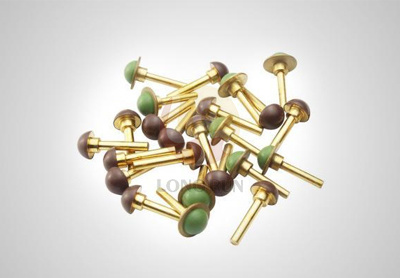
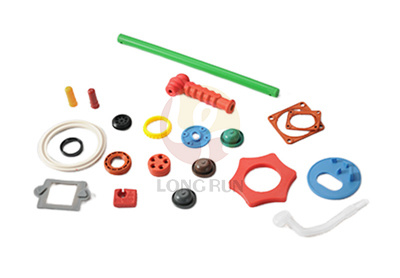
In the ever-evolving landscape of the chemical and rubber industries, the integration of industrial-use rubber bonded metal products has become increasingly vital. These products are engineered to provide enhanced durability, flexibility, and performance, making them ideal for a wide array of applications. From automotive components to industrial machinery, the versatility of these products is not
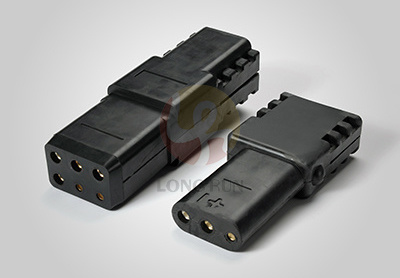
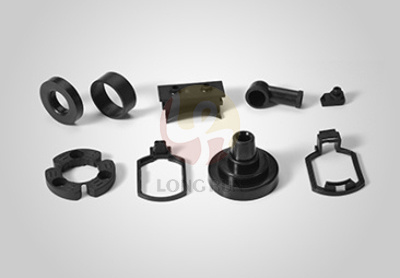
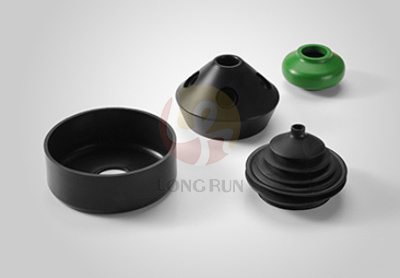
In the ever-evolving landscape of the chemical and rubber industries, the integration of industrial-use rubber bonded metal products has become increasingly vital. These products are engineered to provide enhanced durability, flexibility, and performance, making them ideal for a wide array of applications. From automotive components to industrial machinery, the versatility of these products is noteworthy.
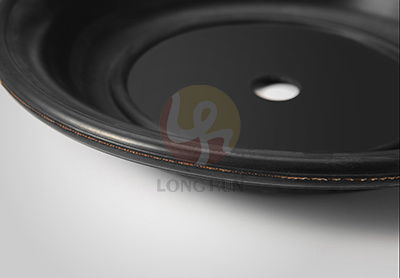
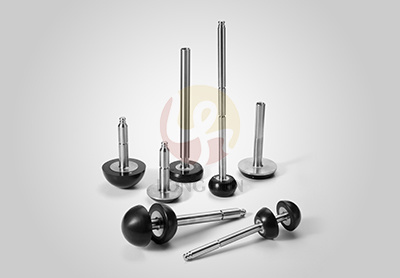
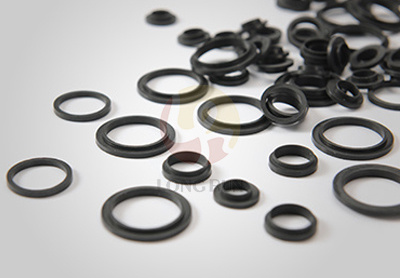
At the core of industrial-use rubber bonded metal products is the process of bonding rubber to metal substrates, creating a composite material that harnesses the strengths of both components. This bonding process is typically achieved through advanced manufacturing techniques, ensuring a robust connection that can withstand various environmental stresses, including temperature fluctuations, chemical exposure, and mechanical wear.
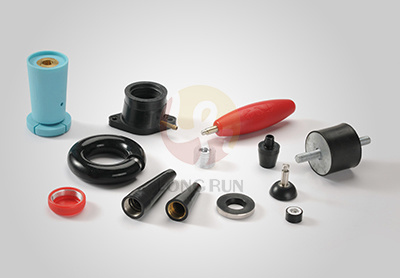
One of the primary applications of rubber bonded metal products is in vibration damping. In many industrial settings, machinery generates significant vibrations that can lead to wear and tear over time. By incorporating rubber bonded metal components, companies can effectively reduce these vibrations, extending the life of their equipment and minimizing maintenance costs. This application is particularly beneficial in industries such as automotive, aerospace, and manufacturing, where precision and longevity are paramount.
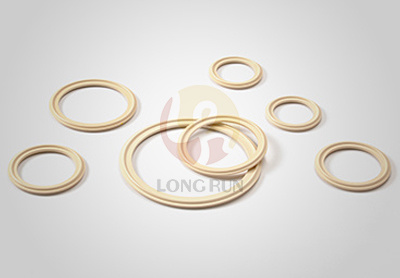
Another critical aspect of these products is their ability to provide excellent sealing properties. The rubber component acts as a barrier against contaminants, moisture, and gases, thereby enhancing the performance and safety of various systems. This feature is especially important in the chemical industry, where the integrity of seals can directly impact operational efficiency and safety standards.
Additionally, industrial-use rubber bonded metal products are known for their sound insulation capabilities. In environments that require noise reduction, such as factories or commercial spaces, these products can significantly improve working conditions by minimizing sound transmission. This not only enhances employee comfort but also contributes to regulatory compliance regarding noise levels.
From a manufacturing perspective, the customization potential of rubber bonded metal products is a significant advantage. Companies can tailor these components to meet specific performance requirements, including hardness, elasticity, and resistance to specific chemicals or temperatures. This adaptability makes them suitable for a diverse range of applications, from automotive bushings to seals in chemical processing equipment.
In conclusion, industrial-use rubber bonded metal products play a crucial role in the chemical and rubber industries, offering solutions that enhance durability, performance, and safety. By understanding their applications and benefits, businesses can leverage these innovative materials to improve operational efficiency and achieve their goals in an increasingly competitive market. Embracing the versatility of these products is not just about keeping pace with industry advancements; it's also about positioning oneself for future growth and success.
At the core of industrial-use rubber bonded metal products is the process of bonding rubber to metal substrates, creating a composite material that harnesses the strengths of both components. This bonding process is typically achieved through advanced manufacturing techniques, ensuring a robust connection that can withstand various environmental stresses, including temperature fluctuations, chemical exposure, and mechanical wear.
One of the primary applications of rubber bonded metal products is in vibration damping. In many industrial settings, machinery generates significant vibrations that can lead to wear and tear over time. By incorporating rubber bonded metal components, companies can effectively reduce these vibrations, extending the life of their equipment and minimizing maintenance costs. This application is particularly beneficial in industries such as automotive, aerospace, and manufacturing, where precision and longevity are paramount.
Another critical aspect of these products is their ability to provide excellent sealing properties. The rubber component acts as a barrier against contaminants, moisture, and gases, thereby enhancing the performance and safety of various systems. This feature is especially important in the chemical industry, where the integrity of seals can directly impact operational efficiency and safety standards.
Additionally, industrial-use rubber bonded metal products are known for their sound insulation capabilities. In environments that require noise reduction, such as factories or commercial spaces, these products can significantly improve working conditions by minimizing sound transmission. This not only enhances employee comfort but also contributes to regulatory compliance regarding noise levels.
From a manufacturing perspective, the customization potential of rubber bonded metal products is a significant advantage. Companies can tailor these components to meet specific performance requirements, including hardness, elasticity, and resistance to specific chemicals or temperatures. This adaptability makes them suitable for a diverse range of applications, from automotive bushings to seals in chemical processing equipment.
In conclusion, industrial-use rubber bonded metal products play a crucial role in the chemical and rubber industries, offering solutions that enhance durability, performance, and safety. By understanding their applications and benefits, businesses can leverage these innovative materials to improve operational efficiency and achieve their goals in an increasingly competitive market. Embracing the versatility of these products is not just about keeping pace with industry advancements; it's also about positioning oneself for future growth and success.
Related News
The Role of Rubber Bonded Metal Products in Improving Industrial Efficiency
The Role of Rubber Bonded Metal Products in Improving Industrial Efficiency Table of Contents Introduction Understanding Rubber Bonded Metal Products Historical Development of Rubber Bonded Metal Technology Benefits of Rubber Bonded Metal Products Applications in Industrial Settings Impact on Industrial Efficiency Future Trends and Innovations Frequently Asked Ques
Oct 12,2026
The Essential Guide to Viton O-Rings: Key Benefits and Applications
Viton O-rings are vital components in various industrial applications, particularly in the chemical and rubber products sector. Known for their exceptional performance, these O-rings are made from a type of fluoroelastomer that exhibits remarkable resistance to heat, chemicals, and aging. This unique combination of properties makes Viton O-rings an ideal choice for demanding environments where tra
Oct 09,2026
The Benefits of Choosing Molded Rubber Balls Over Traditional Alternatives
The Benefits of Choosing Molded Rubber Balls Over Traditional Alternatives Table of Contents Introduction Understanding Molded Rubber Balls Advantages of Molded Rubber Balls Durability and Longevity Cost Efficiency Customizability Versatility in Applications Environmental Impact Comparison with Traditional Alternatives Selection Criteria for Molded Ru
Oct 06,2026
Unlocking the Versatility of Rubber Balls in the Chemical Industry
Rubber balls are a remarkable example of how a simple concept can manifest in numerous applications within the chemical sector and beyond. Their versatility makes them an essential component in various industries, including manufacturing, automotive, and sports. Understanding the properties and potential uses of rubber balls can empower businesses to harness their capabilities effectively. First a
Oct 03,2026
The Vital Role of Rubber Flexible Connectors in Modern Industrial Systems
The Vital Role of Rubber Flexible Connectors in Modern Industrial Systems Rubber flexible connectors are essential components in various industrial applications, playing a crucial role in facilitating the seamless operation of systems that rely on fluid and gas movement. In today's fast-paced industrial landscape, the significance of these connectors cannot be overstated. As industries evolve and
Sep 30,2026

Add: Building # 7, No. 27, Songbai Ling Avenue, Zhonghan Huizhou Industrial Park, Zhongkai High-tech Zone, Huizhou, Guangdong, China 516032

LONGRUN
Privacy Policy | SEO | Support: 300.cn