


Viton O-Rings: A Game Changer in Automotive Manufacturing
Publish:
2026-06-08


Viton O-Rings: A Game Changer in Automotive Manufacturing
In the ever-evolving landscape of automotive manufacturing, the demand for high-performance materials that ensure durability and reliability is paramount. Among these innovative materials, **Viton O-Rings** have emerged as a game changer. This article delves deep into the world of Viton O-Rings, exploring their properties, applications, and
Viton O-Rings: A Game Changer in Automotive Manufacturing
In the ever-evolving landscape of automotive manufacturing, the demand for high-performance materials that ensure durability and reliability is paramount. Among these innovative materials, **Viton O-Rings** have emerged as a game changer. This article delves deep into the world of Viton O-Rings, exploring their properties, applications, and significance in automotive manufacturing. We aim to provide a comprehensive understanding of why these components are essential for today's vehicles.
Table of Contents
- What Are Viton O-Rings?
- Properties of Viton O-Rings
- Applications of Viton O-Rings in the Automotive Industry
- Benefits of Using Viton O-Rings
- Comparing Viton with Other O-Ring Materials
- Manufacturing Considerations for Viton O-Rings
- Maintenance and Lifespan of Viton O-Rings
- The Future of Viton O-Rings in Automotive Manufacturing
- FAQs About Viton O-Rings
What Are Viton O-Rings?
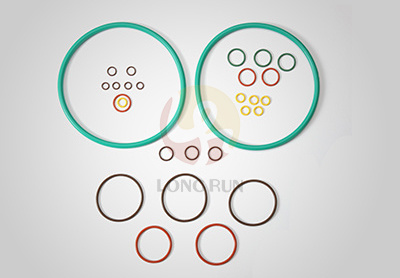
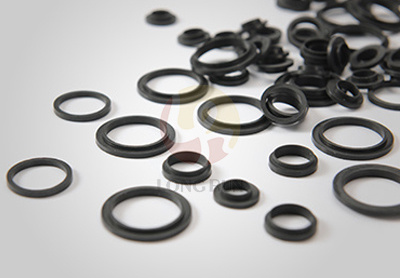
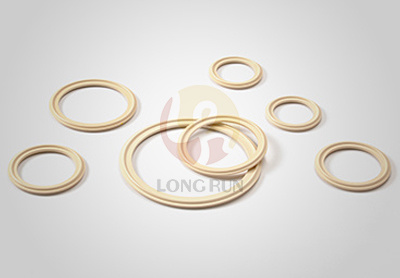
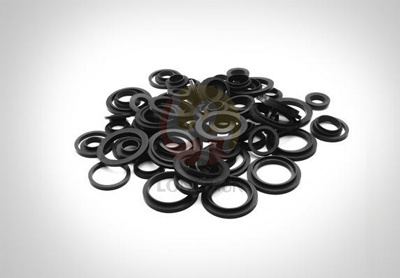
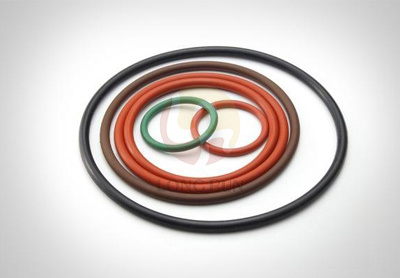
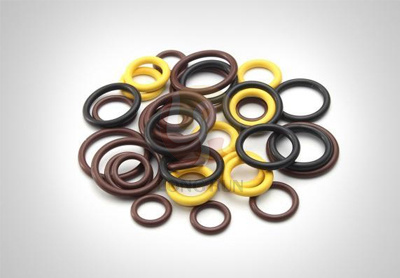
Viton O-Rings are sealing components made from a synthetic rubber known as **FKM (fluorocarbon elastomer)**. These O-Rings are designed to provide exceptional sealing capabilities in various applications, particularly in the automotive sector. Their unique chemical composition allows them to withstand extreme temperatures, aggressive chemicals, and high-pressure environments.
Properties of Viton O-Rings
The remarkable properties of Viton O-Rings make them a preferred choice in automotive manufacturing. Here are some of their key characteristics:
1. Chemical Resistance
Viton O-Rings exhibit outstanding resistance to a wide range of chemicals, including fuels, oils, and solvents. This property ensures that they can maintain their integrity in harsh environments, making them ideal for automotive applications where exposure to such substances is common.
2. Temperature Stability
These O-Rings can perform effectively in extreme temperature ranges, from -20°C to 200°C (-4°F to 392°F). This temperature stability is crucial in automotive environments where components can experience significant thermal fluctuations.
3. Durability and Longevity
Viton O-Rings are known for their durability. They resist wear, tear, and aging better than many traditional rubber materials, ensuring a longer lifespan and reducing the need for frequent replacements.
Applications of Viton O-Rings in the Automotive Industry
Viton O-Rings find extensive applications in various automotive components. Their versatility and reliability make them suitable for numerous functions:
1. Fuel Systems
In fuel systems, Viton O-Rings provide essential sealing for fuel injectors, fuel pumps, and other critical components. Their chemical resistance ensures that they do not degrade in the presence of fuels and additives.
2. Transmission Systems
Viton O-Rings are often used in automatic and manual transmission applications for sealing hydraulic systems. Their ability to withstand high pressures and temperatures ensures seamless operation.
3. Air Conditioning Systems
In automotive air conditioning systems, these O-Rings seal refrigerant lines and compressor components. Their excellent thermal stability contributes to the efficient operation of these systems.
4. Engine Components
Various engine components utilize Viton O-Rings for sealing purposes, including valve covers, oil pans, and gaskets. Their durability prevents oil leaks, which can lead to engine damage.
Benefits of Using Viton O-Rings
The adoption of Viton O-Rings in automotive manufacturing offers several advantages:
1. Enhanced Performance
Viton O-Rings deliver superior sealing performance, contributing to the overall efficiency and reliability of automotive systems. This enhances vehicle performance and safety.
2. Cost-Effectiveness
While the initial cost of Viton O-Rings may be higher than standard rubber options, their longevity and reduced maintenance needs lead to lower lifetime costs.
3. Improved Safety
Reliable sealing provided by Viton O-Rings reduces the risk of leaks, which can pose serious safety hazards in automotive applications. Safe driving conditions are ensured when components operate without failure.
Comparing Viton with Other O-Ring Materials
When considering O-Ring materials for automotive applications, it's essential to compare Viton with other options:
1. Nitrile Rubber (NBR)
Nitrile rubber is commonly used in O-Ring applications due to its good oil resistance. However, it lacks the temperature stability and chemical resistance of Viton, making it less suitable for extreme conditions.
2. Silicone Rubber
Silicone O-Rings offer excellent temperature resistance but may not withstand aggressive chemicals as effectively as Viton. This makes them less ideal for many automotive environments.
3. EPDM (Ethylene Propylene Diene Monomer)
EPDM is excellent for weather and steam resistance but does not perform well with oils and fuels, limiting its use in automotive applications compared to Viton.
Manufacturing Considerations for Viton O-Rings
When manufacturing Viton O-Rings, several factors need to be taken into account:
1. Mold Design
The design of the molds used in production impacts the quality and consistency of the O-Rings. Precision is vital to ensure proper sealing characteristics.
2. Curing Process
The curing process for Viton involves heat and time, which must be carefully controlled to achieve the desired hardness and elasticity of the O-Rings.
3. Quality Control
Implementing strict quality control measures during manufacturing is essential to maintain the integrity and performance of Viton O-Rings. Regular testing and inspections ensure that they meet industry standards.
Maintenance and Lifespan of Viton O-Rings
To maximize the lifespan of Viton O-Rings, proper maintenance and installation are crucial:
1. Installation Practices
Ensuring proper installation practices prevents damage during assembly. Lubrication with compatible substances can help reduce friction and wear.
2. Regular Inspections
Conducting regular inspections of O-Rings for signs of wear or damage can help identify potential issues before they lead to failure.
3. Environmental Considerations
Protecting Viton O-Rings from extreme environmental conditions, such as prolonged exposure to sunlight or ozone, can significantly enhance their lifespan.
The Future of Viton O-Rings in Automotive Manufacturing
As automotive technology continues to advance, the demand for reliable sealing solutions like Viton O-Rings is likely to grow. Innovations in materials and manufacturing processes may further enhance their properties, making them even more suitable for future automotive applications.
FAQs About Viton O-Rings
1. What is the temperature range for Viton O-Rings?
Viton O-Rings can typically withstand temperatures from -20°C to 200°C (-4°F to 392°F), depending on the specific formulation.
2. Are Viton O-Rings resistant to gasoline?
Yes, Viton O-Rings exhibit excellent resistance to gasoline and other fuel-related chemicals, making them ideal for fuel system applications.
3. How do I install Viton O-Rings properly?
Proper installation involves ensuring the O-Ring fits snugly in its groove, using compatible lubricants to prevent damage and facilitate assembly.
4. Can Viton O-Rings be reused?
While Viton O-Rings can be reused under some circumstances, it is generally recommended to replace them to ensure optimal sealing performance.
5. What industries besides automotive use Viton O-Rings?
Besides automotive manufacturing, Viton O-Rings are utilized in aerospace, chemical processing, and oil and gas industries due to their exceptional durability and chemical resistance.
Conclusion
In summary, **Viton O-Rings** have established themselves as a critical component in automotive manufacturing, offering unparalleled advantages in terms of chemical resistance, temperature stability, and durability. Their wide-ranging applications, coupled with the benefits they provide, make them indispensable in ensuring the reliability and performance of modern vehicles. As automotive technology continues to advance, the role of Viton O-Rings will only become more significant, solidifying their place as a game changer in the industry.
Related News
Exploring the Versatility of Molded Rubber Balls in Everyday Applications
Exploring the Versatility of Molded Rubber Balls in Everyday Applications Table of Contents Introduction to Molded Rubber Balls What Are Molded Rubber Balls? The Manufacturing Process of Molded Rubber Balls Benefits of Molded Rubber Balls Applications in Industrial Settings Recreational Uses of Molded Rubber Balls Environmental Impact and Sustainability Frequently
Sep 06,2026
Understanding Rubber Balls: Applications, Properties, and Innovations in the Rubber Industry
Rubber balls, a common yet versatile product, play a crucial role in various applications across multiple industries, including sports, recreational activities, and industrial uses. Made primarily from elastomers, rubber balls exhibit unique properties such as elasticity, durability, and resistance to wear and tear. These characteristics make them highly desirable in both consumer markets and indu
Sep 03,2026
Why Choose Rubber Flexible Connectors for Your Chemical Applications? Introduction to Rubber Flexible Connectors In the world of industrial applications, particularly within the chemical sector, the significance of choosing the right components cannot be overstated. Rubber flexible connectors play a pivotal role in ensuring the seamless transport of chemicals and other fluids. Their unique design
Aug 31,2026
Understanding Rubber Bonded Metal Products: Applications and Advantages
Rubber bonded metal products are specialized components that integrate rubber with metal substrates, creating a composite material that leverages the beneficial properties of both materials. This combination results in products that exhibit enhanced durability, flexibility, and resistance to environmental factors. The manufacturing process typically involves the application of rubber to a metal su
Aug 28,2026
Real-world Case Studies: Viton O Rings in Action – Unveiling the Durability and Versatility
Real-world Case Studies: Viton O Rings in Action Table of Contents 1. Introduction to Viton O Rings 2. Unique Properties of Viton O Rings 3. Case Study 1: Aerospace Applications 4. Case Study 2: Chemical Processing Industry 5. Case Study 3: Automotive Sector 6. Case Study 4: Food and Beverage Industry 7. Best Practices for Installation and Maintenance 8. Conclusion
Aug 25,2026

Add: Building # 7, No. 27, Songbai Ling Avenue, Zhonghan Huizhou Industrial Park, Zhongkai High-tech Zone, Huizhou, Guangdong, China 516032

LONGRUN
Privacy Policy | SEO | Support: 300.cn