


Understanding the Role of Rubber Bellows Manufacturers in the Automotive Industry
Publish:
2026-06-10


Rubber bellows are essential components in the automotive industry, providing flexible connections that accommodate movement, absorb shocks, and protect critical parts from environmental factors. As a specialized manufacturer in this sector, understanding the intricacies of rubber bellows production can significantly enhance your business operations and product offerings.
Rubber bellows are design
Rubber bellows are essential components in the automotive industry, providing flexible connections that accommodate movement, absorb shocks, and protect critical parts from environmental factors. As a specialized manufacturer in this sector, understanding the intricacies of rubber bellows production can significantly enhance your business operations and product offerings.
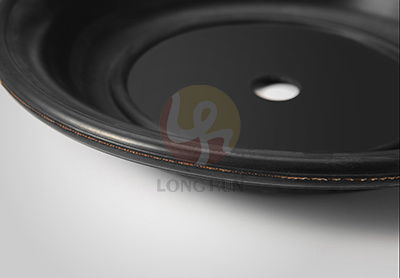
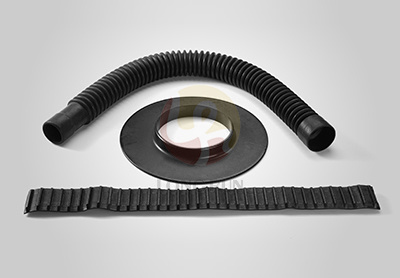
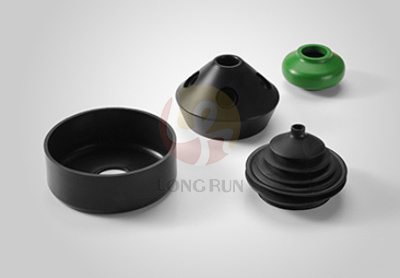
Rubber bellows are designed to facilitate the movement between connected parts, such as in steering systems, suspension components, and other critical applications. Their primary function is to cover and protect moving parts while allowing for flexibility, preventing dust and debris from contaminating vital components. This protection is crucial in maintaining the longevity and reliability of automotive systems.
The manufacturing of rubber bellows involves several key processes, including material selection, molding, curing, and quality control. High-quality rubber materials, often compounded with additives for enhanced performance, are selected based on the specific requirements of the automotive application. These materials must withstand extreme temperatures, exposure to chemicals, and mechanical stress, all of which are common in automotive environments.
The molding process is a critical step where the chosen rubber is shaped into bellows using techniques such as compression molding or injection molding. The specific method used can impact the final product's performance and durability. After molding, the rubber undergoes a curing process, where it is heated to achieve the desired physical properties. This step solidifies the shape and enhances the material's elasticity and strength.
Quality control is a vital aspect of rubber bellows manufacturing, ensuring that each product meets industry standards and customer specifications. Rigorous testing procedures must be in place to assess factors such as tensile strength, flexibility, and resistance to heat and chemical exposure. Manufacturers often employ advanced technologies, such as computer-aided design (CAD) and finite element analysis (FEA), to predict the performance of rubber bellows under various conditions, allowing for optimization before production.
In conclusion, rubber bellows manufacturers play a crucial role in the automotive industry by providing components that enhance vehicle performance and safety. A deep understanding of the manufacturing processes, material properties, and quality assurance practices is essential for professionals in this field. By focusing on these elements, manufacturers can ensure they produce high-quality, reliable rubber bellows that meet the evolving demands of the automotive market. This dedication not only contributes to the success of their own operations but also supports automotive manufacturers in delivering safe and efficient vehicles to consumers.
Rubber bellows are designed to facilitate the movement between connected parts, such as in steering systems, suspension components, and other critical applications. Their primary function is to cover and protect moving parts while allowing for flexibility, preventing dust and debris from contaminating vital components. This protection is crucial in maintaining the longevity and reliability of automotive systems.
The manufacturing of rubber bellows involves several key processes, including material selection, molding, curing, and quality control. High-quality rubber materials, often compounded with additives for enhanced performance, are selected based on the specific requirements of the automotive application. These materials must withstand extreme temperatures, exposure to chemicals, and mechanical stress, all of which are common in automotive environments.
The molding process is a critical step where the chosen rubber is shaped into bellows using techniques such as compression molding or injection molding. The specific method used can impact the final product's performance and durability. After molding, the rubber undergoes a curing process, where it is heated to achieve the desired physical properties. This step solidifies the shape and enhances the material's elasticity and strength.
Quality control is a vital aspect of rubber bellows manufacturing, ensuring that each product meets industry standards and customer specifications. Rigorous testing procedures must be in place to assess factors such as tensile strength, flexibility, and resistance to heat and chemical exposure. Manufacturers often employ advanced technologies, such as computer-aided design (CAD) and finite element analysis (FEA), to predict the performance of rubber bellows under various conditions, allowing for optimization before production.
In conclusion, rubber bellows manufacturers play a crucial role in the automotive industry by providing components that enhance vehicle performance and safety. A deep understanding of the manufacturing processes, material properties, and quality assurance practices is essential for professionals in this field. By focusing on these elements, manufacturers can ensure they produce high-quality, reliable rubber bellows that meet the evolving demands of the automotive market. This dedication not only contributes to the success of their own operations but also supports automotive manufacturers in delivering safe and efficient vehicles to consumers.
Related News
The Essential Guide to Viton O Rings: Advantages and Applications in the Chemical Industry
Viton O rings are a type of elastomeric sealing solution that are widely used in various industries, particularly within the chemical sector due to their impressive resistance to extreme temperatures and aggressive chemicals. Composed of a fluoropolymer, Viton is renowned for its durability and high-performance characteristics, making it a preferred choice in applications where standard rubber may
Sep 09,2026
Exploring the Versatility of Molded Rubber Balls in Everyday Applications
Exploring the Versatility of Molded Rubber Balls in Everyday Applications Table of Contents Introduction to Molded Rubber Balls What Are Molded Rubber Balls? The Manufacturing Process of Molded Rubber Balls Benefits of Molded Rubber Balls Applications in Industrial Settings Recreational Uses of Molded Rubber Balls Environmental Impact and Sustainability Frequently
Sep 06,2026
Understanding Rubber Balls: Applications, Properties, and Innovations in the Rubber Industry
Rubber balls, a common yet versatile product, play a crucial role in various applications across multiple industries, including sports, recreational activities, and industrial uses. Made primarily from elastomers, rubber balls exhibit unique properties such as elasticity, durability, and resistance to wear and tear. These characteristics make them highly desirable in both consumer markets and indu
Sep 03,2026
Why Choose Rubber Flexible Connectors for Your Chemical Applications? Introduction to Rubber Flexible Connectors In the world of industrial applications, particularly within the chemical sector, the significance of choosing the right components cannot be overstated. Rubber flexible connectors play a pivotal role in ensuring the seamless transport of chemicals and other fluids. Their unique design
Aug 31,2026
Understanding Rubber Bonded Metal Products: Applications and Advantages
Rubber bonded metal products are specialized components that integrate rubber with metal substrates, creating a composite material that leverages the beneficial properties of both materials. This combination results in products that exhibit enhanced durability, flexibility, and resistance to environmental factors. The manufacturing process typically involves the application of rubber to a metal su
Aug 28,2026

Add: Building # 7, No. 27, Songbai Ling Avenue, Zhonghan Huizhou Industrial Park, Zhongkai High-tech Zone, Huizhou, Guangdong, China 516032

LONGRUN
Privacy Policy | SEO | Support: 300.cn