


Understanding the Advantages of Quality Fiber Reinforced Diaphragms in Manufacturing
Publish:
2026-06-12


Understanding the Advantages of Quality Fiber Reinforced Diaphragms in Manufacturing
Fiber reinforced diaphragms have become a cornerstone in modern manufacturing, particularly in the chemical and rubber industries. As manufacturers seek to optimize performance while minimizing costs, these specialized components offer a host of benefits. This article explores the **advantages of quality fiber rei
Understanding the Advantages of Quality Fiber Reinforced Diaphragms in Manufacturing
Fiber reinforced diaphragms have become a cornerstone in modern manufacturing, particularly in the chemical and rubber industries. As manufacturers seek to optimize performance while minimizing costs, these specialized components offer a host of benefits. This article explores the **advantages of quality fiber reinforced diaphragms**, highlighting their unique properties that enhance productivity and efficiency in various applications.
Table of Contents
1. Introduction to Fiber Reinforced Diaphragms
2. What Are Fiber Reinforced Diaphragms?
3. Key Advantages of Quality Fiber Reinforced Diaphragms
3.1. Enhanced Structural Integrity
3.2. Superior Flexibility and Durability
3.3. Resistance to Chemicals and Environmental Factors
3.4. Cost-Effectiveness in Manufacturing
3.5. Versatility Across Industries
4. Applications of Fiber Reinforced Diaphragms
5. Selecting the Right Fiber Reinforced Diaphragm for Your Needs
6. Installation and Maintenance Considerations
7. Frequently Asked Questions (FAQs)
8. Conclusion
1. Introduction to Fiber Reinforced Diaphragms
Fiber reinforced diaphragms play a crucial role in the functionality and efficiency of various manufacturing processes. As the industry evolves, the need for reliable, high-performance materials has never been more pressing. This introduction will set the stage for understanding why these diaphragms are indispensable in modern manufacturing.
2. What Are Fiber Reinforced Diaphragms?
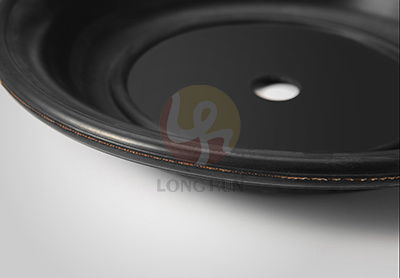
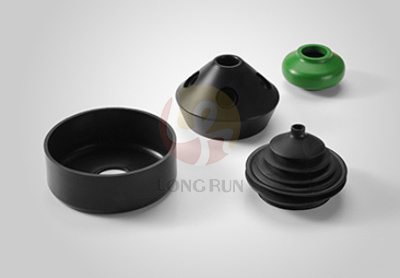
Fiber reinforced diaphragms are composite materials designed to enhance the mechanical properties of traditional diaphragm designs. They are typically made by embedding fiber materials—such as glass, aramid, or carbon—into a polymer matrix. This combination results in a product that not only maintains flexibility but also exhibits exceptional strength and durability.
The incorporation of fibers into diaphragms allows manufacturers to achieve a balance between performance and cost, making these components indispensable in various applications, from pumps and valves to pressure and flow controls.
3. Key Advantages of Quality Fiber Reinforced Diaphragms
When it comes to manufacturing, the advantages of using quality fiber reinforced diaphragms are plentiful. Below, we delve into the most significant benefits.
3.1. Enhanced Structural Integrity
One of the primary benefits of fiber reinforced diaphragms is their **enhanced structural integrity**. The fibers used in the matrix contribute to the overall strength of the diaphragm, allowing it to withstand higher pressures and stresses compared to traditional diaphragms. This robustness is particularly crucial in applications where safety and reliability are paramount.
3.2. Superior Flexibility and Durability
In addition to strength, these diaphragms maintain a high level of **flexibility**, enabling them to adapt to varying conditions without cracking or tearing. Their durability ensures a longer lifespan, reducing the need for frequent replacements and maintenance, thereby optimizing operational efficiency.
3.3. Resistance to Chemicals and Environmental Factors
Fiber reinforced diaphragms excel in environments where exposure to chemicals and environmental factors is a concern. Their resistance to corrosion and degradation from harsh substances makes them ideal for use in the chemical, pharmaceutical, and food processing industries. This characteristic ensures that the diaphragms maintain their integrity and performance over time.
3.4. Cost-Effectiveness in Manufacturing
While the initial investment in quality fiber reinforced diaphragms may be higher than traditional materials, the long-term savings are substantial. The durability and reduced maintenance requirements translate to lower operational costs. Additionally, their efficiency can lead to increased productivity, making them a cost-effective choice in the long run.
3.5. Versatility Across Industries
Another significant advantage is the **versatility** of fiber reinforced diaphragms. They can be tailored to suit diverse applications across multiple industries, including automotive, aerospace, and manufacturing. This adaptability makes them a powerful solution for many engineering challenges.
4. Applications of Fiber Reinforced Diaphragms
The applications of fiber reinforced diaphragms are vast and varied. They find use in:
- **Pneumatic Systems**: Providing reliable sealing and pressure containment.
- **Hydraulic Systems**: Ensuring smooth operation and responsiveness in hydraulic machinery.
- **Medical Devices**: Offering precision and reliability in sensitive medical equipment.
- **Automotive Components**: Enhancing performance in engines and transmission systems.
Understanding the specific applications helps manufacturers to choose the right diaphragm for their needs, ensuring optimal performance and reliability.
5. Selecting the Right Fiber Reinforced Diaphragm for Your Needs
Choosing the appropriate fiber reinforced diaphragm involves several considerations:
- **Material Compatibility**: Ensure that the diaphragm material is compatible with the fluids or gases it will encounter.
- **Pressure and Temperature Ratings**: Check the diaphragm's specifications to guarantee it can withstand the operating conditions.
- **Size and Shape**: Select a diaphragm that fits the design and space requirements of your application.
- **Performance Requirements**: Consider the specific performance characteristics needed, such as flexibility, durability, and chemical resistance.
By evaluating these factors, manufacturers can make informed choices that lead to successful outcomes.
6. Installation and Maintenance Considerations
Proper installation and maintenance are crucial for maximizing the lifespan of fiber reinforced diaphragms. Here are some key points to consider:
- **Installation**: Follow the manufacturer's guidelines for installation to prevent damage and ensure proper function. Use the correct tools and techniques during installation to avoid compromising the diaphragm's integrity.
- **Regular Inspections**: Conduct regular inspections to identify signs of wear or damage early. This proactive approach can prevent unexpected failures and costly downtimes.
- **Cleaning**: Keep the diaphragms clean and free from contaminants that may affect their performance. Use appropriate cleaning agents that do not compromise the material.
By adhering to these practices, manufacturers can enhance the reliability and performance of their fiber reinforced diaphragms.
7. Frequently Asked Questions (FAQs)
1. What materials are commonly used in fiber reinforced diaphragms?
Fiber reinforced diaphragms are typically made from materials like glass, aramid, carbon fibers, and various polymers, depending on the required properties.
2. How do fiber reinforced diaphragms compare to traditional diaphragms?
Fiber reinforced diaphragms offer enhanced strength, flexibility, and resistance to chemicals, making them superior to traditional diaphragms in many applications.
3. Are fiber reinforced diaphragms suitable for high-pressure applications?
Yes, they are designed to withstand higher pressures, making them ideal for applications where safety and reliability are critical.
4. What industries benefit from fiber reinforced diaphragms?
Industries such as chemicals, pharmaceuticals, automotive, and aerospace benefit significantly from the use of fiber reinforced diaphragms.
5. How can I ensure the longevity of my fiber reinforced diaphragm?
Regular inspections, proper installation, and adherence to maintenance guidelines are essential for maximizing the lifespan of fiber reinforced diaphragms.
8. Conclusion
Quality fiber reinforced diaphragms are indispensable components in the manufacturing industry, offering numerous advantages that enhance performance and efficiency. Their unique properties—such as enhanced structural integrity, superior flexibility, and resistance to harsh environments—make them a valuable choice for a wide range of applications. By selecting the right diaphragm and adhering to best practices for installation and maintenance, manufacturers can optimize their processes and achieve long-lasting results. As the manufacturing landscape continues to evolve, embracing these advanced materials will be key to staying competitive and meeting the demands of modern industry.
Related News
The Essential Guide to Viton O Rings: Advantages and Applications in the Chemical Industry
Viton O rings are a type of elastomeric sealing solution that are widely used in various industries, particularly within the chemical sector due to their impressive resistance to extreme temperatures and aggressive chemicals. Composed of a fluoropolymer, Viton is renowned for its durability and high-performance characteristics, making it a preferred choice in applications where standard rubber may
Sep 09,2026
Exploring the Versatility of Molded Rubber Balls in Everyday Applications
Exploring the Versatility of Molded Rubber Balls in Everyday Applications Table of Contents Introduction to Molded Rubber Balls What Are Molded Rubber Balls? The Manufacturing Process of Molded Rubber Balls Benefits of Molded Rubber Balls Applications in Industrial Settings Recreational Uses of Molded Rubber Balls Environmental Impact and Sustainability Frequently
Sep 06,2026
Understanding Rubber Balls: Applications, Properties, and Innovations in the Rubber Industry
Rubber balls, a common yet versatile product, play a crucial role in various applications across multiple industries, including sports, recreational activities, and industrial uses. Made primarily from elastomers, rubber balls exhibit unique properties such as elasticity, durability, and resistance to wear and tear. These characteristics make them highly desirable in both consumer markets and indu
Sep 03,2026
Why Choose Rubber Flexible Connectors for Your Chemical Applications? Introduction to Rubber Flexible Connectors In the world of industrial applications, particularly within the chemical sector, the significance of choosing the right components cannot be overstated. Rubber flexible connectors play a pivotal role in ensuring the seamless transport of chemicals and other fluids. Their unique design
Aug 31,2026
Understanding Rubber Bonded Metal Products: Applications and Advantages
Rubber bonded metal products are specialized components that integrate rubber with metal substrates, creating a composite material that leverages the beneficial properties of both materials. This combination results in products that exhibit enhanced durability, flexibility, and resistance to environmental factors. The manufacturing process typically involves the application of rubber to a metal su
Aug 28,2026

Add: Building # 7, No. 27, Songbai Ling Avenue, Zhonghan Huizhou Industrial Park, Zhongkai High-tech Zone, Huizhou, Guangdong, China 516032

LONGRUN
Privacy Policy | SEO | Support: 300.cn