


Quality Fiber Reinforced Diaphragms: Driving Efficiency in Chemical Processes
Publish:
2026-07-03


Quality Fiber Reinforced Diaphragms: Driving Efficiency in Chemical Processes
Table of Contents
1. Introduction to Fiber Reinforced Diaphragms
2. What Are Fiber Reinforced Diaphragms?
3. Benefits of Quality Fiber Reinforced Diaphragms
- 3.1 Enhanced Durability
- 3.2 Chemical Resistance
- 3.3 Cost-Effectiveness
4. Applications in Chemical Processes
- 4.1 Fluid Handling
- 4.2 Pumping
Quality Fiber Reinforced Diaphragms: Driving Efficiency in Chemical Processes
Table of Contents
1. Introduction to Fiber Reinforced Diaphragms
2. What Are Fiber Reinforced Diaphragms?
3. Benefits of Quality Fiber Reinforced Diaphragms
- 3.1 Enhanced Durability
- 3.2 Chemical Resistance
- 3.3 Cost-Effectiveness
4. Applications in Chemical Processes
- 4.1 Fluid Handling
- 4.2 Pumping Systems
- 4.3 Valve Systems
5. Design and Manufacturing of Fiber Reinforced Diaphragms
- 5.1 Materials Used
- 5.2 Manufacturing Process
6. Quality Control and Standards
7. The Future of Fiber Reinforced Diaphragms
8. Conclusion
9. FAQs
Introduction to Fiber Reinforced Diaphragms
In the realm of chemical processing, efficiency is paramount. As industries strive to optimize operations while ensuring safety and reliability, the role of **quality fiber reinforced diaphragms** has become increasingly significant. These diaphragms, crafted from advanced materials, are designed to withstand challenging environments, offering enhanced performance and longer lifespans. This article delves into the intricacies of fiber reinforced diaphragms, exploring their benefits, applications, and future prospects in the chemical sector.
What Are Fiber Reinforced Diaphragms?
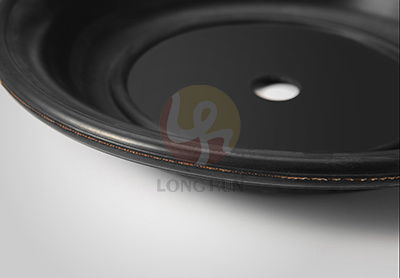
Fiber reinforced diaphragms are components used in various mechanical and chemical systems to separate and control the flow of fluids. They are typically constructed from a composite material that combines a polymer matrix with reinforcing fibers, such as glass or carbon. This unique combination imparts remarkable strength and flexibility, making them ideal for demanding applications in the chemical industry.
The design of these diaphragms allows for efficient pressure management and fluid containment, minimizing the risk of leaks and failures. As a result, they play a crucial role in enhancing the overall efficiency of chemical processes.
Benefits of Quality Fiber Reinforced Diaphragms
The adoption of fiber reinforced diaphragms in chemical processes offers numerous advantages, contributing to greater operational efficiency and safety.
Enhanced Durability
One of the standout features of fiber reinforced diaphragms is their **enhanced durability**. Unlike traditional rubber or plastic diaphragms, these reinforced variants can endure extreme conditions, including high pressures and temperatures. This durability translates to **longer service life**, reducing the frequency of replacements and maintenance.
Chemical Resistance
Chemical processes often involve harsh substances that can degrade standard materials. Fiber reinforced diaphragms exhibit exceptional **chemical resistance**, making them suitable for use with corrosive agents. This property ensures that the diaphragms maintain integrity over time, safeguarding the entire system from potential failures.
Cost-Effectiveness
While the initial investment in quality fiber reinforced diaphragms may be higher than traditional options, the long-term **cost-effectiveness** cannot be overstated. Their durability and resistance to wear lead to lower maintenance costs and fewer replacements, making them a wise investment for any chemical processing operation.
Applications in Chemical Processes
Fiber reinforced diaphragms find a wide range of applications within the chemical industry. Their versatility allows them to be used in various systems where reliable fluid management is essential.
Fluid Handling
In fluid handling systems, fiber reinforced diaphragms act as seals and barriers that ensure efficient transport of liquids and gases. Their ability to withstand pressure variations makes them indispensable in applications involving **pumps and compressors**, where leaks can result in significant losses.
Pumping Systems
In pumping systems, the diaphragm's role becomes critical as it regulates the flow and pressure of the fluid being transported. By utilizing fiber reinforced diaphragms, operators can achieve **greater accuracy** in pumping operations, leading to improved overall efficiency.
Valve Systems
Valves are essential components in chemical processing for controlling the flow of substances. Fiber reinforced diaphragms enhance the performance of valve systems by providing reliable sealing and minimizing the risk of leakage. This ensures that processes remain safe and efficient, thereby improving productivity.
Design and Manufacturing of Fiber Reinforced Diaphragms
The effectiveness of fiber reinforced diaphragms is greatly influenced by their design and manufacturing processes. Understanding these factors is crucial for achieving optimal performance.
Materials Used
The choice of materials in constructing fiber reinforced diaphragms significantly impacts their properties. Typically, a combination of polymers and reinforcing fibers is used to achieve the desired strength and flexibility. Common materials include **EPDM**, **NBR**, and various composite resins, each selected based on specific application requirements.
Manufacturing Process
The manufacturing process of fiber reinforced diaphragms involves several stages, including **molding**, **curing**, and **testing**. Advanced techniques such as **compression molding** and **injection molding** are commonly employed to ensure precise dimensions and consistency. Rigorous quality control measures are conducted throughout the process to guarantee that each diaphragm meets industry standards.
Quality Control and Standards
Ensuring the quality of fiber reinforced diaphragms is essential for their performance and reliability. Manufacturers adhere to stringent quality control protocols and compliance with industry standards such as ISO and ASTM to guarantee product integrity. Regular testing for properties like tensile strength, chemical resistance, and flexibility helps maintain high standards.
The Future of Fiber Reinforced Diaphragms
As industries continue to innovate, the demand for advanced materials like fiber reinforced diaphragms is expected to grow. Future developments may include the integration of smart technologies, allowing for real-time monitoring of diaphragm performance. Additionally, ongoing research into new composite materials could lead to even greater enhancements in **durability** and **chemical resistance**.
Conclusion
Quality fiber reinforced diaphragms are revolutionizing the chemical industry by driving efficiency and enhancing safety in various processes. Their unique properties, including durability, chemical resistance, and cost-effectiveness, make them a preferred choice for industry professionals. As we look to the future, the continued evolution of these diaphragms will undoubtedly contribute to even greater advancements in chemical processing.
FAQs
1. What are the primary materials used in fiber reinforced diaphragms?
The most common materials include polymers such as EPDM and NBR, combined with reinforcing fibers like glass or carbon to enhance strength and flexibility.
2. How do fiber reinforced diaphragms compare to traditional rubber diaphragms?
Fiber reinforced diaphragms offer superior durability and chemical resistance, making them more effective in high-pressure and corrosive environments compared to traditional rubber diaphragms.
3. What applications benefit most from fiber reinforced diaphragms?
Applications in fluid handling, pumping systems, and valve systems greatly benefit from the use of fiber reinforced diaphragms due to their reliability and efficiency.
4. Are there any industry standards governing the quality of fiber reinforced diaphragms?
Yes, manufacturers typically adhere to industry standards such as ISO and ASTM, ensuring that products meet stringent quality control measures.
5. What is the future outlook for fiber reinforced diaphragms in the chemical industry?
The future of fiber reinforced diaphragms looks promising, with potential advancements in materials and technology that may enhance their performance and application scope even further.
Prev:
Related News
Quality Fiber Reinforced Diaphragms: Driving Efficiency in Chemical Processes
Quality Fiber Reinforced Diaphragms: Driving Efficiency in Chemical Processes Table of Contents 1. Introduction to Fiber Reinforced Diaphragms 2. What Are Fiber Reinforced Diaphragms? 3. Benefits of Quality Fiber Reinforced Diaphragms - 3.1 Enhanced Durability - 3.2 Chemical Resistance - 3.3 Cost-Effectiveness 4. Applications in Chemical Processes - 4.1 Fluid Handling - 4.2 Pumping
Jul 03,2026
The Essential Guide to Choosing a Rubber Bellows Manufacturer for Automotive Applications
Rubber bellows are flexible, expandable components used in various automotive applications. They serve as protective covers for moving parts, preventing dirt, moisture, and contaminants from entering sensitive areas, thereby extending the lifespan of components and ensuring optimal performance. These bellows are particularly essential in vehicles where movement is constant, such as in suspension s
Jul 01,2026
The Compatibility of Viton O-Rings with Automotive Fluids: A Comprehensive Guide
The Compatibility of Viton O-Rings with Automotive Fluids Automotive applications require materials that can withstand harsh environments and maintain integrity over time. Viton O-Rings are a popular choice due to their superior chemical resistance and durability. Understanding the compatibility of Viton O-Rings with various automotive fluids is crucial for maximizing performance and longevity. Th
Jun 29,2026
Exploring the Versatile Applications of Industrial Use Rubber Bonded Metal Products
Rubber bonded metal products are integral components in numerous industrial applications, particularly within the chemical and rubber industries. These products combine the resilience and flexibility of rubber with the strength and durability of metal, resulting in solutions that meet the demanding requirements of various sectors. Understanding the characteristics and advantages of industrial use
Jun 27,2026
How Customized Molded Rubber Balls Can Enhance Athletic Performance in Sports Equipment
Introduction to Customized Molded Rubber Balls in Sports Equipment In the world of sports, performance is key. Athletes are constantly seeking ways to enhance their skills and gain a competitive edge. One often-overlooked component of sports equipment is the humble rubber ball. However, **customized molded rubber balls** are making waves by providing significant improvements in performance, durabi
Jun 25,2026

Add: Building # 7, No. 27, Songbai Ling Avenue, Zhonghan Huizhou Industrial Park, Zhongkai High-tech Zone, Huizhou, Guangdong, China 516032

LONGRUN
Privacy Policy | SEO | Support: 300.cn