


Overcoming Challenges with Viton O-Rings in Automotive Applications
Publish:
2026-07-19


Challenges and Solutions in Using Viton O-Rings in Cars
Table of Contents
1. Introduction to Viton O-Rings in Automotive Applications
2. Understanding Viton: Properties and Benefits
3. Common Challenges Faced with Viton O-Rings
1. Temperature Resistance Issues
2. Chemical Compatibility Concerns
3. Aging and Degradation Challenges
4. Effective Solutions to Overcome Challenges
1. Opt
Challenges and Solutions in Using Viton O-Rings in Cars
Table of Contents
1. Introduction to Viton O-Rings in Automotive Applications
2. Understanding Viton: Properties and Benefits
3. Common Challenges Faced with Viton O-Rings
1. Temperature Resistance Issues
2. Chemical Compatibility Concerns
3. Aging and Degradation Challenges
4. Effective Solutions to Overcome Challenges
1. Optimal Material Selection
2. Proper Installation Techniques
3. Maintenance Strategies for Longevity
5. Case Studies: Real-World Applications
6. Future Trends in Viton O-Ring Usage
7. Conclusion
8. Frequently Asked Questions
Introduction to Viton O-Rings in Automotive Applications
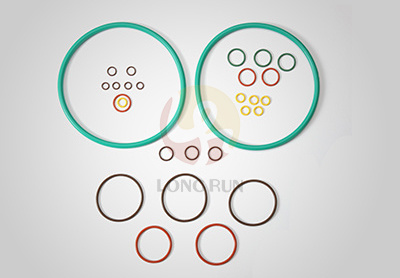
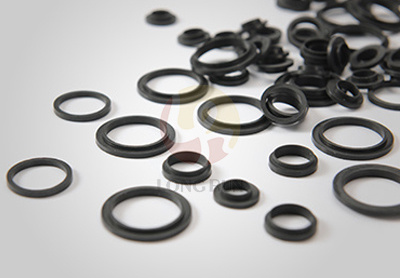
Viton O-Rings are renowned in the automotive industry for their superior sealing capabilities and resistance to extreme conditions. As vehicles evolve with advanced technologies, the importance of reliable sealing solutions such as Viton O-Rings becomes paramount. However, using these materials is not without challenges. In this article, we will explore these challenges and provide actionable solutions to ensure that Viton O-Rings perform optimally in automotive applications.
Understanding Viton: Properties and Benefits
Viton is a high-performance fluorocarbon elastomer that is highly regarded for its exceptional chemical resistance and temperature stability. Its unique properties make it an ideal choice for various automotive applications, including fuel systems, hydraulic systems, and engine components. The benefits of using Viton O-Rings include:
- **Excellent Heat Resistance**: Withstanding temperatures ranging from -20°C to 250°C (-4°F to 482°F) without losing elasticity.
- **Chemical Resistance**: Proficiency in resisting oils, solvents, and aggressive chemicals, making it suitable for fuel and oil seals.
- **Durability**: High resilience and ability to maintain sealing integrity over extended periods.
Despite these advantages, users must navigate certain challenges that can affect performance.
Common Challenges Faced with Viton O-Rings
Temperature Resistance Issues
While Viton is celebrated for its heat resistance, certain applications expose it to extreme thermal cycles that can lead to premature failure. High temperatures can cause hardening, while low temperatures may lead to brittleness. Understanding the specific temperature ranges for your application is crucial.
Chemical Compatibility Concerns
Not all chemicals are compatible with Viton O-Rings. Certain fuels or solvents can lead to chemical attack, resulting in swelling or reduction in mechanical properties. Conducting compatibility testing before deployment is essential to ensure long-term performance.
Aging and Degradation Challenges
Viton O-Rings can degrade over time due to environmental factors such as oxygen, ozone, and UV exposure. Aging can result in loss of flexibility and sealing effectiveness. Regular monitoring and replacement schedules are vital to address aging concerns.
Effective Solutions to Overcome Challenges
Optimal Material Selection
Selecting the right grade of Viton O-Ring is crucial. Different formulations exist, each designed for specific applications. For instance, Viton A, B, and F offer varying levels of performance based on temperature, pressure, and chemical exposure. Collaborate with suppliers to choose the most appropriate grade for your needs.
Proper Installation Techniques
Correct installation of Viton O-Rings can significantly affect their performance. Misalignment or excessive force during installation can lead to deformation and leakage. Implementing best practices such as lubrication and ensuring proper fit can enhance the durability of the O-Rings.
Maintenance Strategies for Longevity
Regular inspection and maintenance are key to prolonging the life of Viton O-Rings. This includes checking for signs of wear, degradation, or environmental damage. Establishing a routine maintenance schedule can prevent unexpected failures and costly repairs.
Case Studies: Real-World Applications
In this section, we will review several case studies where automotive manufacturers have successfully implemented Viton O-Rings, addressing challenges through innovative solutions.
- **Case Study 1**: An automotive manufacturer implemented a new Viton compound to enhance heat resistance in transmission systems, resulting in a significant reduction in leaks.
- **Case Study 2**: A racing team used advanced installation techniques and regular maintenance schedules, effectively increasing the lifespan of Viton O-Rings in high-performance engines.
Future Trends in Viton O-Ring Usage
The automotive industry continues to innovate, and so do the materials used. The future of Viton O-Rings may include:
- **Smart O-Rings**: Technology integration for real-time monitoring of temperature and pressure, ensuring optimal performance.
- **Advanced Formulations**: Development of new Viton grades that offer even greater resistance to emerging fuels and chemicals.
Conclusion
Navigating the challenges associated with Viton O-Rings in automotive applications requires a proactive approach. By understanding the material's properties, addressing common issues, and implementing effective solutions, automotive engineers can significantly improve performance and reliability. As the industry evolves, staying informed about new trends and innovations will further enhance the use of Viton O-Rings in vehicles.
Frequently Asked Questions
1. What are Viton O-Rings primarily used for in cars?
Viton O-Rings are used for sealing in various automotive applications, including fuel systems, hydraulic systems, and engine components due to their excellent chemical and heat resistance.
2. How can I determine the compatibility of Viton O-Rings with specific fluids?
Compatibility can be determined through testing and consulting material safety data sheets (MSDS) for the specific fluids.
3. What are the signs of aging in Viton O-Rings?
Signs of aging include loss of elasticity, surface cracking, and discoloration.
4. How often should Viton O-Rings be replaced?
Replacement schedules depend on application conditions, but regular inspections can help determine the necessary replacement frequency.
5. Can Viton O-Rings be reused?
Reusing Viton O-Rings is generally discouraged unless they are in excellent condition and have not been deformed during installation.
By addressing the challenges and implementing the solutions outlined in this article, we can maximize the performance and reliability of Viton O-Rings in automotive applications, ensuring that vehicles operate efficiently and safely.
Related News
The Role of Rubber Bonded Metal Products in Improving Industrial Efficiency
The Role of Rubber Bonded Metal Products in Improving Industrial Efficiency Table of Contents Introduction Understanding Rubber Bonded Metal Products Historical Development of Rubber Bonded Metal Technology Benefits of Rubber Bonded Metal Products Applications in Industrial Settings Impact on Industrial Efficiency Future Trends and Innovations Frequently Asked Ques
Oct 12,2026
The Essential Guide to Viton O-Rings: Key Benefits and Applications
Viton O-rings are vital components in various industrial applications, particularly in the chemical and rubber products sector. Known for their exceptional performance, these O-rings are made from a type of fluoroelastomer that exhibits remarkable resistance to heat, chemicals, and aging. This unique combination of properties makes Viton O-rings an ideal choice for demanding environments where tra
Oct 09,2026
The Benefits of Choosing Molded Rubber Balls Over Traditional Alternatives
The Benefits of Choosing Molded Rubber Balls Over Traditional Alternatives Table of Contents Introduction Understanding Molded Rubber Balls Advantages of Molded Rubber Balls Durability and Longevity Cost Efficiency Customizability Versatility in Applications Environmental Impact Comparison with Traditional Alternatives Selection Criteria for Molded Ru
Oct 06,2026
Unlocking the Versatility of Rubber Balls in the Chemical Industry
Rubber balls are a remarkable example of how a simple concept can manifest in numerous applications within the chemical sector and beyond. Their versatility makes them an essential component in various industries, including manufacturing, automotive, and sports. Understanding the properties and potential uses of rubber balls can empower businesses to harness their capabilities effectively. First a
Oct 03,2026
The Vital Role of Rubber Flexible Connectors in Modern Industrial Systems
The Vital Role of Rubber Flexible Connectors in Modern Industrial Systems Rubber flexible connectors are essential components in various industrial applications, playing a crucial role in facilitating the seamless operation of systems that rely on fluid and gas movement. In today's fast-paced industrial landscape, the significance of these connectors cannot be overstated. As industries evolve and
Sep 30,2026

Add: Building # 7, No. 27, Songbai Ling Avenue, Zhonghan Huizhou Industrial Park, Zhongkai High-tech Zone, Huizhou, Guangdong, China 516032

LONGRUN
Privacy Policy | SEO | Support: 300.cn