


Understanding the Role of Rubber Bellows Manufacturers in the Automotive Industry
Publish:
2026-07-21


In the automotive industry, rubber bellows are essential components that serve various functions, including protection, flexibility, and sealing. As a rubber bellows manufacturer, understanding the specific needs of automotive applications is crucial for delivering high-quality products that meet industry standards. Rubber bellows are typically utilized in a variety of automotive systems, includin
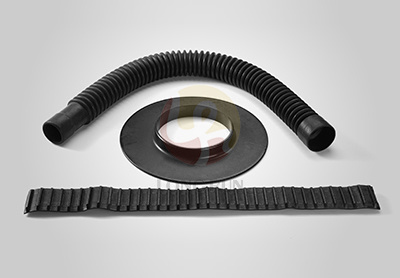
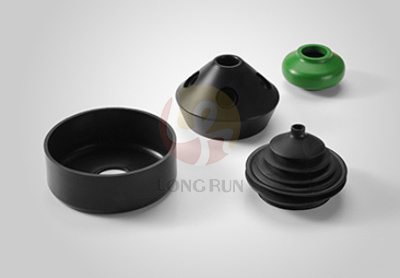
In the automotive industry, rubber bellows are essential components that serve various functions, including protection, flexibility, and sealing. As a rubber bellows manufacturer, understanding the specific needs of automotive applications is crucial for delivering high-quality products that meet industry standards. Rubber bellows are typically utilized in a variety of automotive systems, including suspension, steering, and transmission, where they help maintain performance and reliability.
The primary function of rubber bellows is to shield moving parts from contaminants such as dirt, dust, and moisture. This protective characteristic is vital in automotive applications where components are subject to harsh environmental conditions. By preventing the ingress of contaminants, rubber bellows manufacturers help ensure the longevity of critical automotive components, thereby improving vehicle reliability and performance.
Moreover, rubber bellows provide flexibility in automotive designs. They allow for movement between connected parts while maintaining a seal that prevents leaks. This flexibility is particularly important in areas where parts may expand or contract due to temperature changes or mechanical movements. A well-designed rubber bellow can accommodate these dynamic conditions, ensuring that vehicles operate smoothly and efficiently.
When selecting a rubber bellows manufacturer, professionals should consider several technical aspects. These include the material composition, manufacturing processes, and the specific performance characteristics required for different applications. Manufacturers often utilize various elastomers, such as natural rubber, neoprene, or silicone, each offering distinct advantages in terms of durability, temperature resistance, and chemical compatibility.
Additionally, the manufacturing process plays a significant role in the quality of the rubber bellows. Techniques such as molding, extrusion, and vulcanization are commonly employed to produce rubber bellows with precise dimensions and structural integrity. It is essential for manufacturers to adhere to strict quality control measures to ensure that the final products can withstand the rigors of automotive use.
In conclusion, rubber bellows manufacturers are integral to the automotive industry's supply chain. By producing high-quality rubber bellows that meet stringent performance criteria, they contribute to the overall functionality and reliability of vehicles. Professionals in the automotive sector must prioritize selecting manufacturers that offer expertise, quality materials, and advanced manufacturing processes to ensure that their vehicles can endure the challenges of everyday use. Understanding the role and significance of rubber bellows can ultimately lead to better decision-making and enhanced vehicle performance in the competitive automotive market.
The primary function of rubber bellows is to shield moving parts from contaminants such as dirt, dust, and moisture. This protective characteristic is vital in automotive applications where components are subject to harsh environmental conditions. By preventing the ingress of contaminants, rubber bellows manufacturers help ensure the longevity of critical automotive components, thereby improving vehicle reliability and performance.
Moreover, rubber bellows provide flexibility in automotive designs. They allow for movement between connected parts while maintaining a seal that prevents leaks. This flexibility is particularly important in areas where parts may expand or contract due to temperature changes or mechanical movements. A well-designed rubber bellow can accommodate these dynamic conditions, ensuring that vehicles operate smoothly and efficiently.
When selecting a rubber bellows manufacturer, professionals should consider several technical aspects. These include the material composition, manufacturing processes, and the specific performance characteristics required for different applications. Manufacturers often utilize various elastomers, such as natural rubber, neoprene, or silicone, each offering distinct advantages in terms of durability, temperature resistance, and chemical compatibility.
Additionally, the manufacturing process plays a significant role in the quality of the rubber bellows. Techniques such as molding, extrusion, and vulcanization are commonly employed to produce rubber bellows with precise dimensions and structural integrity. It is essential for manufacturers to adhere to strict quality control measures to ensure that the final products can withstand the rigors of automotive use.
In conclusion, rubber bellows manufacturers are integral to the automotive industry's supply chain. By producing high-quality rubber bellows that meet stringent performance criteria, they contribute to the overall functionality and reliability of vehicles. Professionals in the automotive sector must prioritize selecting manufacturers that offer expertise, quality materials, and advanced manufacturing processes to ensure that their vehicles can endure the challenges of everyday use. Understanding the role and significance of rubber bellows can ultimately lead to better decision-making and enhanced vehicle performance in the competitive automotive market.
Related News
The Role of Rubber Bonded Metal Products in Improving Industrial Efficiency
The Role of Rubber Bonded Metal Products in Improving Industrial Efficiency Table of Contents Introduction Understanding Rubber Bonded Metal Products Historical Development of Rubber Bonded Metal Technology Benefits of Rubber Bonded Metal Products Applications in Industrial Settings Impact on Industrial Efficiency Future Trends and Innovations Frequently Asked Ques
Oct 12,2026
The Essential Guide to Viton O-Rings: Key Benefits and Applications
Viton O-rings are vital components in various industrial applications, particularly in the chemical and rubber products sector. Known for their exceptional performance, these O-rings are made from a type of fluoroelastomer that exhibits remarkable resistance to heat, chemicals, and aging. This unique combination of properties makes Viton O-rings an ideal choice for demanding environments where tra
Oct 09,2026
The Benefits of Choosing Molded Rubber Balls Over Traditional Alternatives
The Benefits of Choosing Molded Rubber Balls Over Traditional Alternatives Table of Contents Introduction Understanding Molded Rubber Balls Advantages of Molded Rubber Balls Durability and Longevity Cost Efficiency Customizability Versatility in Applications Environmental Impact Comparison with Traditional Alternatives Selection Criteria for Molded Ru
Oct 06,2026
Unlocking the Versatility of Rubber Balls in the Chemical Industry
Rubber balls are a remarkable example of how a simple concept can manifest in numerous applications within the chemical sector and beyond. Their versatility makes them an essential component in various industries, including manufacturing, automotive, and sports. Understanding the properties and potential uses of rubber balls can empower businesses to harness their capabilities effectively. First a
Oct 03,2026
The Vital Role of Rubber Flexible Connectors in Modern Industrial Systems
The Vital Role of Rubber Flexible Connectors in Modern Industrial Systems Rubber flexible connectors are essential components in various industrial applications, playing a crucial role in facilitating the seamless operation of systems that rely on fluid and gas movement. In today's fast-paced industrial landscape, the significance of these connectors cannot be overstated. As industries evolve and
Sep 30,2026

Add: Building # 7, No. 27, Songbai Ling Avenue, Zhonghan Huizhou Industrial Park, Zhongkai High-tech Zone, Huizhou, Guangdong, China 516032

LONGRUN
Privacy Policy | SEO | Support: 300.cn