


From Concept to Creation: The Journey of Quality Fiber Reinforced Diaphragms
Publish:
2026-07-23


Understanding Fiber Reinforced Diaphragms
Fiber reinforced diaphragms play a crucial role in various industrial applications, ensuring reliability and durability. These components are engineered to perform under significant pressure and stress, making them essential in environments ranging from automotive to aerospace. In this article, we will take a detailed look at their journey from concept to
Understanding Fiber Reinforced Diaphragms
Fiber reinforced diaphragms play a crucial role in various industrial applications, ensuring reliability and durability. These components are engineered to perform under significant pressure and stress, making them essential in environments ranging from automotive to aerospace. In this article, we will take a detailed look at their journey from concept to creation, exploring the key materials, manufacturing processes, and applications that define high-quality diaphragms.
Table of Contents
1. What Are Fiber Reinforced Diaphragms?
2. The Importance of Fiber Reinforcement in Diaphragms
3. Key Materials Used in Diaphragm Manufacturing
4. The Design Process for Fiber Reinforced Diaphragms
5. Advanced Manufacturing Techniques
6. Testing and Quality Assurance Protocols
7. Broad Applications of Fiber Reinforced Diaphragms
8. The Future of Fiber Reinforced Diaphragms
9. Frequently Asked Questions (FAQs)
10. Conclusion
What Are Fiber Reinforced Diaphragms?
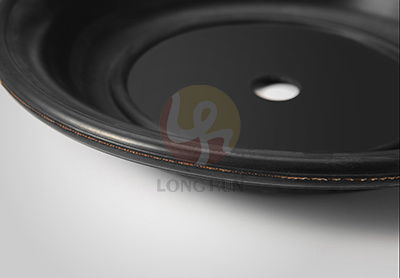
Fiber reinforced diaphragms are specialized components made from a composite of rubber and high-strength fibers. These diaphragms are primarily used in systems where flexibility and strength are essential. Their design allows them to effectively separate and contain fluids or gases under varying pressures. The incorporation of fibers enhances their tensile strength, making them resistant to deformation and failure.
The Role of Diaphragms in Industrial Applications
In many applications, diaphragms are crucial for the operation of pumps, valves, and actuators. They serve to control the flow of fluids and gases, often acting as a seal that can withstand extreme conditions. Understanding how these components function can provide insight into their importance in maintaining system integrity and efficiency.
The Importance of Fiber Reinforcement in Diaphragms
Fiber reinforcement significantly enhances the mechanical properties of diaphragms, allowing them to endure harsh working environments. Here are key reasons why fiber reinforcement is indispensable:
Improved Mechanical Strength
The addition of fibers improves the tensile and compressive strength of the diaphragm, allowing it to operate effectively even under high-stress conditions. This is particularly important in applications involving pressure fluctuations.
Enhanced Durability
With increased resistance to wear and tear, fiber reinforced diaphragms can last longer, reducing maintenance costs and downtime in industrial settings. This durability ensures that systems remain operational and efficient over time.
Resistance to Environmental Factors
Fiber reinforced diaphragms can be engineered to resist a variety of environmental factors, including temperature extremes, chemical exposure, and moisture. This makes them suitable for diverse applications across different industries.
Key Materials Used in Diaphragm Manufacturing
The performance of fiber reinforced diaphragms is heavily reliant on the materials used in their construction. The primary components include:
Rubber Compounds
Natural and synthetic rubber compounds are commonly used due to their elasticity and ability to withstand various temperatures and chemicals. These compounds can be tailored to meet specific application requirements.
Reinforcement Fibers
Commonly used fibers include aramid, glass, and carbon fibers. Each type offers unique benefits, such as increased tensile strength or resistance to high temperatures, depending on the intended application.
Adhesives and Bonding Agents
To ensure that layers of materials bond effectively, high-performance adhesives are utilized. These adhesives help maintain the integrity of the diaphragm during operation, preventing delamination and failure.
The Design Process for Fiber Reinforced Diaphragms
Creating a high-quality fiber reinforced diaphragm begins with a thorough design process. This process typically involves:
Concept Development
The initial concept phase includes identifying the specific requirements based on the application. This may involve consultations with engineers and designers to outline the desired performance characteristics.
Prototyping
Once the concept is finalized, prototypes are developed. These prototypes allow for testing and evaluation of the design, ensuring that it meets all necessary specifications before moving into large-scale production.
Simulation and Testing
Advanced software tools are used to simulate the diaphragm's performance under various conditions. This helps identify potential weaknesses and allows for adjustments to be made before finalizing the design.
Advanced Manufacturing Techniques
The manufacturing of fiber reinforced diaphragms employs several advanced techniques to ensure quality and consistency. Some of these techniques include:
Compression Molding
This traditional method involves placing a rubber compound in a heated mold, where it is pressed to form the diaphragm shape. Compression molding allows for high-volume production and uniformity in thickness.
Transfer Molding
Transfer molding is similar to compression molding but involves transferring the rubber into the mold using a plunger. This technique is often used for complex shapes and allows for better material control.
Injection Molding
Injection molding provides high precision and is ideal for large production runs. It involves injecting rubber compounds into a mold, allowing for intricate designs and tighter tolerances.
Testing and Quality Assurance Protocols
Quality assurance is paramount in the manufacturing of fiber reinforced diaphragms. Rigorous testing ensures that each diaphragm meets the required standards. Key testing methods include:
Pressure Testing
Diaphragms are subjected to pressure tests to evaluate their ability to withstand operational conditions without failure. This testing helps identify any weaknesses in the material or design.
Fatigue Testing
Fatigue testing involves cycling the diaphragm through various pressure levels to assess its durability over time. This simulates real-world conditions and helps predict the lifespan of the diaphragm.
Environmental Testing
Diaphragms are tested under extreme environmental conditions to ensure they can resist factors such as heat, cold, moisture, and chemical exposure. This ensures reliability in diverse applications.
Broad Applications of Fiber Reinforced Diaphragms
Fiber reinforced diaphragms are utilized in numerous industries, including:
Aerospace
In aerospace applications, diaphragms are used in fuel systems and hydraulic controls where reliability and weight savings are critical.
Automotive
In the automotive sector, they are employed in fuel pumps, brake systems, and engine controls, ensuring optimal performance and safety.
Industrial Machinery
Diaphragms are essential in various industrial machines, providing sealing and control in pumps and valves, enhancing overall operational efficiency.
Medical Devices
In medical applications, fiber reinforced diaphragms are crucial in devices like syringes and diagnostic equipment, where precision and reliability are paramount.
The Future of Fiber Reinforced Diaphragms
As technology continues to advance, the future of fiber reinforced diaphragms looks promising. Innovations in materials science and manufacturing processes are expected to lead to even more durable and efficient diaphragms. Additionally, the integration of smart technologies may allow for real-time monitoring and maintenance, further enhancing their reliability in critical applications.
Frequently Asked Questions (FAQs)
1. What materials are commonly used in fiber reinforced diaphragms?
The primary materials include rubber compounds, reinforcement fibers (like aramid or glass), and high-performance adhesives.
2. How do I choose the right diaphragm for my application?
Selecting the right diaphragm involves assessing factors such as pressure requirements, environmental conditions, and compatibility with the fluids or gases being managed.
3. What are the most common manufacturing techniques for diaphragms?
Common techniques include compression molding, transfer molding, and injection molding, each offering distinct advantages based on the application.
4. How can I ensure the quality of my diaphragm?
Quality can be assured through rigorous testing protocols, including pressure, fatigue, and environmental testing, along with adherence to industry standards.
5. What industries utilize fiber reinforced diaphragms?
These diaphragms are widely used in aerospace, automotive, industrial machinery, and medical devices, among others.
Conclusion
The journey of fiber reinforced diaphragms from concept to creation involves a complex interplay of design, materials, and manufacturing processes. By understanding the critical aspects of diaphragm production, stakeholders in the chemical and rubber industries can appreciate the significant role these components play in ensuring operational efficiency and safety across various applications. As advancements in technology continue to evolve, the future of fiber reinforced diaphragms shows great potential for enhanced performance and durability.
Related News
Exploring the Versatility of Molded Rubber Balls in Everyday Applications
Exploring the Versatility of Molded Rubber Balls in Everyday Applications Table of Contents Introduction to Molded Rubber Balls What Are Molded Rubber Balls? The Manufacturing Process of Molded Rubber Balls Benefits of Molded Rubber Balls Applications in Industrial Settings Recreational Uses of Molded Rubber Balls Environmental Impact and Sustainability Frequently
Sep 06,2026
Understanding Rubber Balls: Applications, Properties, and Innovations in the Rubber Industry
Rubber balls, a common yet versatile product, play a crucial role in various applications across multiple industries, including sports, recreational activities, and industrial uses. Made primarily from elastomers, rubber balls exhibit unique properties such as elasticity, durability, and resistance to wear and tear. These characteristics make them highly desirable in both consumer markets and indu
Sep 03,2026
Why Choose Rubber Flexible Connectors for Your Chemical Applications? Introduction to Rubber Flexible Connectors In the world of industrial applications, particularly within the chemical sector, the significance of choosing the right components cannot be overstated. Rubber flexible connectors play a pivotal role in ensuring the seamless transport of chemicals and other fluids. Their unique design
Aug 31,2026
Understanding Rubber Bonded Metal Products: Applications and Advantages
Rubber bonded metal products are specialized components that integrate rubber with metal substrates, creating a composite material that leverages the beneficial properties of both materials. This combination results in products that exhibit enhanced durability, flexibility, and resistance to environmental factors. The manufacturing process typically involves the application of rubber to a metal su
Aug 28,2026
Real-world Case Studies: Viton O Rings in Action – Unveiling the Durability and Versatility
Real-world Case Studies: Viton O Rings in Action Table of Contents 1. Introduction to Viton O Rings 2. Unique Properties of Viton O Rings 3. Case Study 1: Aerospace Applications 4. Case Study 2: Chemical Processing Industry 5. Case Study 3: Automotive Sector 6. Case Study 4: Food and Beverage Industry 7. Best Practices for Installation and Maintenance 8. Conclusion
Aug 25,2026

Add: Building # 7, No. 27, Songbai Ling Avenue, Zhonghan Huizhou Industrial Park, Zhongkai High-tech Zone, Huizhou, Guangdong, China 516032

LONGRUN
Privacy Policy | SEO | Support: 300.cn