


Innovative Uses of Rubber Bonded Metal Products in Chemical Manufacturing
Publish:
2025-12-13


Innovative Uses of Rubber Bonded Metal Products in Chemical Manufacturing
Table of Contents
1. Introduction to Rubber Bonded Metal Products
2. Benefits of Rubber Bonded Metal Products in Chemical Manufacturing
- 2.1 Durability and Resistance to Chemicals
- 2.2 Cost-Effectiveness of Rubber Bonded Metal
- 2.3 Safety Enhancements in Chemical Processes
3. Key Applications of Rubbe
Innovative Uses of Rubber Bonded Metal Products in Chemical Manufacturing
Table of Contents
1. Introduction to Rubber Bonded Metal Products
2. Benefits of Rubber Bonded Metal Products in Chemical Manufacturing
- 2.1 Durability and Resistance to Chemicals
- 2.2 Cost-Effectiveness of Rubber Bonded Metal
- 2.3 Safety Enhancements in Chemical Processes
3. Key Applications of Rubber Bonded Metal Products
- 3.1 Valves and Seals
- 3.2 Pumps and Gaskets
- 3.3 Protective Coatings
4. Sustainability and Environmental Impact
5. Future Trends in Rubber Bonded Metal Products
6. Frequently Asked Questions
7. Conclusion
Introduction to Rubber Bonded Metal Products
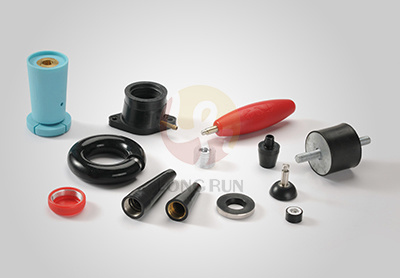
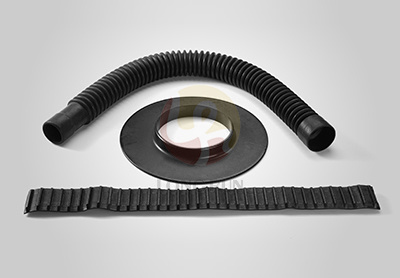
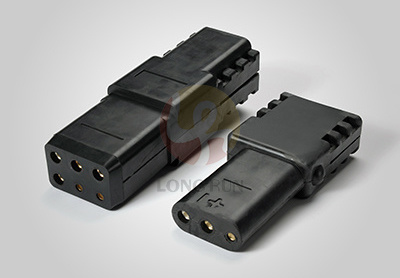
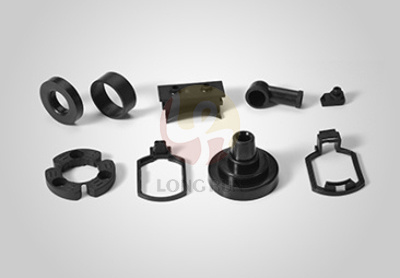
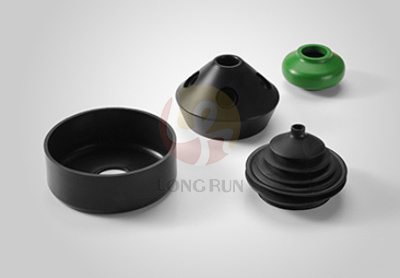
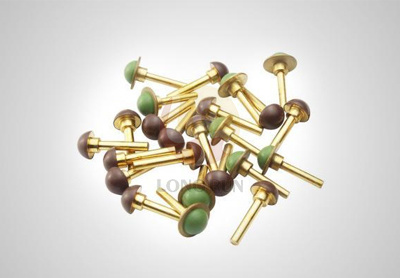
Rubber bonded metal products have emerged as a vital component in the **chemical manufacturing industry**, offering unique solutions that enhance performance, safety, and sustainability. These products marry the elasticity and chemical resistance of rubber with the strength and durability of metal, creating a versatile material that addresses various challenges faced by manufacturers.
As industries lean towards more **innovative solutions**, understanding the functionality and applications of rubber bonded metal products is paramount. This article delves into how these products are used in chemical manufacturing, highlighting their benefits and potential future developments.
Benefits of Rubber Bonded Metal Products in Chemical Manufacturing
Choosing rubber bonded metal products over traditional materials can yield significant advantages in chemical manufacturing. Below, we outline the key benefits that drive their adoption.
Durability and Resistance to Chemicals
One of the standout features of rubber bonded metal products is their exceptional **durability**. These products are engineered to withstand harsh environments, including extreme temperatures and aggressive chemicals. This resistance not only extends the lifespan of the components but also minimizes maintenance costs associated with replacements and repairs.
Cost-Effectiveness of Rubber Bonded Metal
Investing in rubber bonded metal products can lead to significant **cost savings** for manufacturers. Their longevity coupled with reduced maintenance needs means that companies can allocate resources more efficiently. Furthermore, the initial costs are often offset by the enhanced performance and reliability of these products.
Safety Enhancements in Chemical Processes
In the chemical industry, safety is paramount. Rubber bonded metal products contribute to safer operations by providing excellent sealing properties and reducing the risk of leaks. This capability is crucial in preventing hazardous material spills, protecting both employees and the environment.
Key Applications of Rubber Bonded Metal Products
Rubber bonded metal products are utilized in various applications within chemical manufacturing, showcasing their versatility and effectiveness. Here are some key areas where they make a significant impact.
Valves and Seals
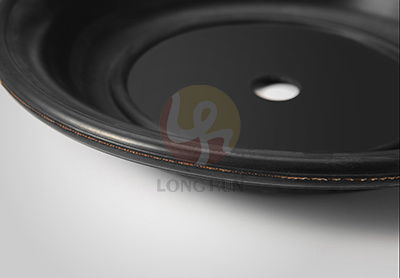
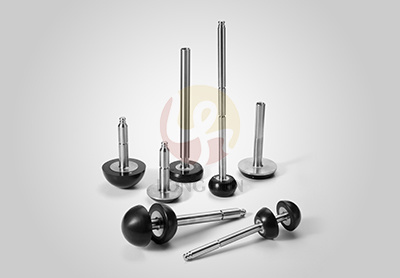
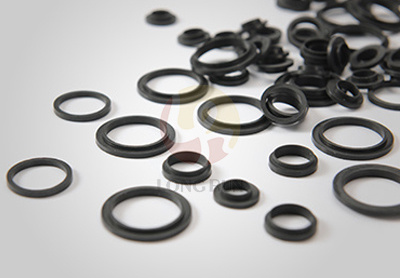
Valves are critical components in chemical processing, and the integration of rubber bonded metal significantly enhances their functionality. These valves benefit from improved sealing properties, reducing the chance of leaks and ensuring precise control over fluid flow. The combination of rubber's flexibility and metal's strength creates a robust system that can handle high pressures and aggressive chemicals.
Pumps and Gaskets
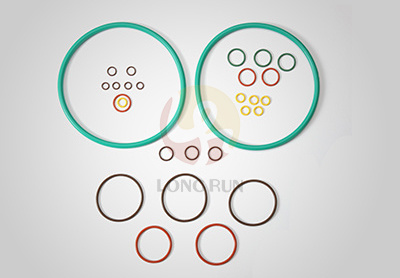
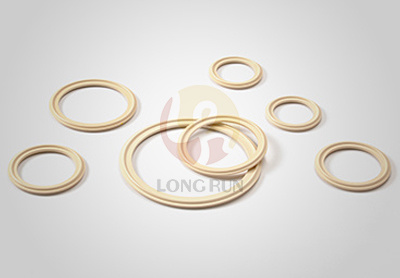
In pumping systems, rubber bonded metal products serve pivotal roles in enhancing reliability. Gaskets made from this composite material provide superior sealing capabilities, which is essential for preventing fluid loss and maintaining efficiency. The resilience of rubber bonded to metal allows for better performance in varying temperatures and pressures, minimizing downtime.
Protective Coatings
Rubber bonded metal products can also be used as protective coatings for equipment exposed to corrosive environments. These coatings serve as a barrier, preventing metal surfaces from deteriorating over time, which is especially important in chemical plants where equipment undergoes constant wear and tear. This application not only prolongs the life of expensive machinery but also reduces the environmental impact of equipment failures.
Sustainability and Environmental Impact
As the world shifts towards more sustainable practices, rubber bonded metal products align well with these goals. Their durability reduces waste, and their efficiency leads to lower energy consumption during operation. Furthermore, many manufacturers are exploring eco-friendly rubber materials that can be bonded with metals, further enhancing the sustainability profile of these products.
Implementing rubber bonded metal products helps chemical manufacturers comply with increasingly stringent environmental regulations. By minimizing leaks and improving operational efficiency, companies can significantly reduce their ecological footprint while maintaining productivity.
Future Trends in Rubber Bonded Metal Products
The future of rubber bonded metal products in chemical manufacturing is promising. Ongoing research and development are focusing on enhancing the properties of these products to accommodate even more demanding applications. Researchers are working on developing new rubber formulations that can withstand higher temperatures and more aggressive chemical environments.
Additionally, advancements in manufacturing techniques, such as 3D printing and enhanced bonding processes, are likely to improve the performance and reduce costs associated with rubber bonded metal products. Innovations in this field could lead to the creation of tailored solutions specifically designed for unique applications within the chemical industry.
As technologies evolve, we anticipate a growing trend towards utilizing smart materials that can provide real-time monitoring of conditions, offering insights that enhance operational efficiency and safety.
Frequently Asked Questions
1. What are rubber bonded metal products?
Rubber bonded metal products are composite materials that combine the flexibility and chemical resistance of rubber with the strength and durability of metal. They are widely used in various applications, including valves, seals, and protective coatings in chemical manufacturing.
2. Why are rubber bonded metal products preferred in chemical manufacturing?
These products are preferred due to their exceptional durability, cost-effectiveness, safety enhancements, and versatility in handling aggressive chemicals and extreme conditions.
3. How do rubber bonded metal products enhance safety in chemical processes?
They enhance safety by providing excellent sealing properties, which minimize leaks and spills of hazardous materials, thus protecting employees and the environment.
4. What are the sustainability benefits of using rubber bonded metal products?
Sustainability benefits include reduced waste due to their durability, lower energy consumption during operation, and the potential for eco-friendly materials in their production.
5. What future developments can we expect in rubber bonded metal products?
Future developments may include enhanced rubber formulations for extreme conditions, advancements in manufacturing techniques, and the integration of smart materials for real-time monitoring in chemical processes.
Conclusion
Rubber bonded metal products are revolutionizing the landscape of chemical manufacturing by offering innovative solutions that enhance durability, safety, and sustainability. As the industry continues to evolve, the adoption of these materials will likely increase, driven by their unique properties and the ongoing demand for efficient, eco-friendly manufacturing practices. By investing in rubber bonded metal products, chemical manufacturers can not only improve their operational efficiency but also contribute to a more sustainable future. The future is bright for these innovative materials, and as technology advances, their applications will only expand, paving the way for a greener and more efficient chemical industry.
Related News
The Benefits of Choosing Molded Rubber Balls Over Traditional Alternatives
The Benefits of Choosing Molded Rubber Balls Over Traditional Alternatives Table of Contents Introduction Understanding Molded Rubber Balls Advantages of Molded Rubber Balls Durability and Longevity Cost Efficiency Customizability Versatility in Applications Environmental Impact Comparison with Traditional Alternatives Selection Criteria for Molded Ru
Oct 06,2026
Unlocking the Versatility of Rubber Balls in the Chemical Industry
Rubber balls are a remarkable example of how a simple concept can manifest in numerous applications within the chemical sector and beyond. Their versatility makes them an essential component in various industries, including manufacturing, automotive, and sports. Understanding the properties and potential uses of rubber balls can empower businesses to harness their capabilities effectively. First a
Oct 03,2026
The Vital Role of Rubber Flexible Connectors in Modern Industrial Systems
The Vital Role of Rubber Flexible Connectors in Modern Industrial Systems Rubber flexible connectors are essential components in various industrial applications, playing a crucial role in facilitating the seamless operation of systems that rely on fluid and gas movement. In today's fast-paced industrial landscape, the significance of these connectors cannot be overstated. As industries evolve and
Sep 30,2026
The Versatile World of Rubber Bonded Metal Products
Rubber bonded metal products represent a fascinating intersection of materials science and engineering, combining the flexibility and resilience of rubber with the strength and durability of metal. This unique pairing allows for the creation of products that are not only robust but also capable of absorbing shock, reducing vibrations, and providing a reliable seal against environmental factors. On
Sep 27,2026
Comparing Viton O Rings to Silicone: Which Material Reigns Supreme?
Comparing Viton O Rings to Silicone: Which Material Reigns Supreme? Table of Contents 1. Introduction to O Rings and Their Importance 2. What Are Viton O Rings? 3. What Are Silicone O Rings? 4. Key Differences Between Viton and Silicone O Rings 5. Performance in High Temperatures 6. Chemical Resistance: A Critical Comparison 7. Applications of Viton O Rings 8. Appl
Sep 24,2026

Add: Building # 7, No. 27, Songbai Ling Avenue, Zhonghan Huizhou Industrial Park, Zhongkai High-tech Zone, Huizhou, Guangdong, China 516032

LONGRUN
Privacy Policy | SEO | Support: 300.cn