


Unlocking the Potential of Customized Molded Rubber Balls for Diverse Applications
Publish:
2025-12-11


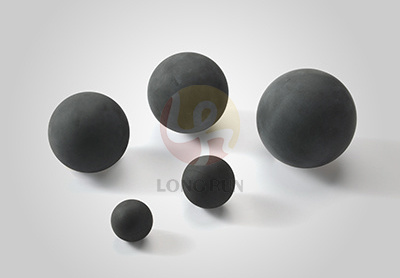
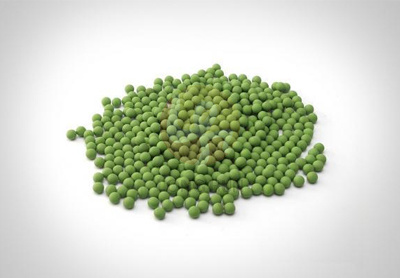
Customized molded rubber balls are increasingly becoming essential components in various industries due to their adaptability and unique properties. These balls can be tailored to meet specific requirements, such as size, shape, color, and elasticity, providing solutions for a wide range of applications. By understanding the advantages and processes involved in creating these specialized products,
Customized molded rubber balls are increasingly becoming essential components in various industries due to their adaptability and unique properties. These balls can be tailored to meet specific requirements, such as size, shape, color, and elasticity, providing solutions for a wide range of applications. By understanding the advantages and processes involved in creating these specialized products, businesses can leverage the potential of customized molded rubber balls to enhance their operations.
One of the primary benefits of customized molded rubber balls is their versatility. They can be engineered to perform under different conditions, making them suitable for applications ranging from industrial machinery to sports equipment. For instance, in manufacturing, these balls can be used as bumpers, seals, or protective components, ensuring that machinery operates smoothly and efficiently. In the sporting goods sector, customized rubber balls can be designed for specific sports, offering enhanced performance and durability.
The production of customized molded rubber balls involves several key steps. Initially, a design specification is established based on the intended use of the balls. This includes considerations for material selection, which can vary from natural rubber to synthetic alternatives, depending on the desired performance characteristics. Once the design is finalized, a mold is created, which will shape the rubber into the desired form during the molding process.
Molding methods, such as compression molding and injection molding, play a crucial role in the final product's quality. Compression molding is often used for larger batches, while injection molding allows for greater precision in small-scale production. Both methods ensure that the molded rubber balls have uniform quality and performance, critical for their intended applications.
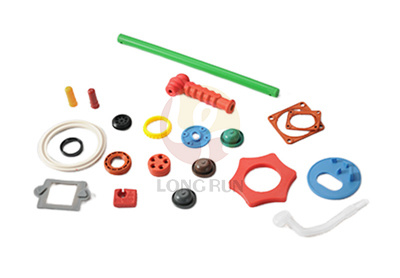
In addition to performance and durability, customization often extends to aesthetics. Customized molded rubber balls can be produced in various colors, shapes, and finishes, allowing businesses to create products that align with their branding or specific consumer preferences. This aspect of customization is particularly important in consumer-facing industries, where visual appeal can significantly impact product attractiveness.
Furthermore, companies should consider the environmental impact of their customized molded rubber balls. Many manufacturers are now incorporating sustainable practices and materials, such as eco-friendly rubber compounds, to reduce their environmental footprint. This not only appeals to environmentally conscious consumers but also aligns with global trends towards sustainability.
In conclusion, customized molded rubber balls are a valuable asset for numerous industries, providing tailored solutions that enhance functionality and performance. By understanding their production processes and exploring their various applications, businesses can tap into the potential of these versatile products and stay competitive in a rapidly evolving market. Embracing this customization could be the key to innovation and success in your product offerings.
One of the primary benefits of customized molded rubber balls is their versatility. They can be engineered to perform under different conditions, making them suitable for applications ranging from industrial machinery to sports equipment. For instance, in manufacturing, these balls can be used as bumpers, seals, or protective components, ensuring that machinery operates smoothly and efficiently. In the sporting goods sector, customized rubber balls can be designed for specific sports, offering enhanced performance and durability.
The production of customized molded rubber balls involves several key steps. Initially, a design specification is established based on the intended use of the balls. This includes considerations for material selection, which can vary from natural rubber to synthetic alternatives, depending on the desired performance characteristics. Once the design is finalized, a mold is created, which will shape the rubber into the desired form during the molding process.
Molding methods, such as compression molding and injection molding, play a crucial role in the final product's quality. Compression molding is often used for larger batches, while injection molding allows for greater precision in small-scale production. Both methods ensure that the molded rubber balls have uniform quality and performance, critical for their intended applications.
In addition to performance and durability, customization often extends to aesthetics. Customized molded rubber balls can be produced in various colors, shapes, and finishes, allowing businesses to create products that align with their branding or specific consumer preferences. This aspect of customization is particularly important in consumer-facing industries, where visual appeal can significantly impact product attractiveness.
Furthermore, companies should consider the environmental impact of their customized molded rubber balls. Many manufacturers are now incorporating sustainable practices and materials, such as eco-friendly rubber compounds, to reduce their environmental footprint. This not only appeals to environmentally conscious consumers but also aligns with global trends towards sustainability.
In conclusion, customized molded rubber balls are a valuable asset for numerous industries, providing tailored solutions that enhance functionality and performance. By understanding their production processes and exploring their various applications, businesses can tap into the potential of these versatile products and stay competitive in a rapidly evolving market. Embracing this customization could be the key to innovation and success in your product offerings.
Related News
The Benefits of Choosing Molded Rubber Balls Over Traditional Alternatives
The Benefits of Choosing Molded Rubber Balls Over Traditional Alternatives Table of Contents Introduction Understanding Molded Rubber Balls Advantages of Molded Rubber Balls Durability and Longevity Cost Efficiency Customizability Versatility in Applications Environmental Impact Comparison with Traditional Alternatives Selection Criteria for Molded Ru
Oct 06,2026
Unlocking the Versatility of Rubber Balls in the Chemical Industry
Rubber balls are a remarkable example of how a simple concept can manifest in numerous applications within the chemical sector and beyond. Their versatility makes them an essential component in various industries, including manufacturing, automotive, and sports. Understanding the properties and potential uses of rubber balls can empower businesses to harness their capabilities effectively. First a
Oct 03,2026
The Vital Role of Rubber Flexible Connectors in Modern Industrial Systems
The Vital Role of Rubber Flexible Connectors in Modern Industrial Systems Rubber flexible connectors are essential components in various industrial applications, playing a crucial role in facilitating the seamless operation of systems that rely on fluid and gas movement. In today's fast-paced industrial landscape, the significance of these connectors cannot be overstated. As industries evolve and
Sep 30,2026
The Versatile World of Rubber Bonded Metal Products
Rubber bonded metal products represent a fascinating intersection of materials science and engineering, combining the flexibility and resilience of rubber with the strength and durability of metal. This unique pairing allows for the creation of products that are not only robust but also capable of absorbing shock, reducing vibrations, and providing a reliable seal against environmental factors. On
Sep 27,2026
Comparing Viton O Rings to Silicone: Which Material Reigns Supreme?
Comparing Viton O Rings to Silicone: Which Material Reigns Supreme? Table of Contents 1. Introduction to O Rings and Their Importance 2. What Are Viton O Rings? 3. What Are Silicone O Rings? 4. Key Differences Between Viton and Silicone O Rings 5. Performance in High Temperatures 6. Chemical Resistance: A Critical Comparison 7. Applications of Viton O Rings 8. Appl
Sep 24,2026

Add: Building # 7, No. 27, Songbai Ling Avenue, Zhonghan Huizhou Industrial Park, Zhongkai High-tech Zone, Huizhou, Guangdong, China 516032

LONGRUN
Privacy Policy | SEO | Support: 300.cn