
Exploring the Role of Quality Fiber Reinforced Diaphragms in the Rubber Industry
Publish:
2025-12-09


Exploring the Role of Quality Fiber Reinforced Diaphragms in the Rubber Industry
Table of Contents
Introduction: The Importance of Fiber Reinforced Diaphragms
Understanding Diaphragms in Rubber Products
Fiber Reinforcement: The Backbone of Diaphragms
The Manufacturing Process of Fiber Reinforced Diaphragms
Applications of Fiber Reinforced Diaphragms
Advantages of Using Qua
Exploring the Role of Quality Fiber Reinforced Diaphragms in the Rubber Industry
Table of Contents
- Introduction: The Importance of Fiber Reinforced Diaphragms
- Understanding Diaphragms in Rubber Products
- Fiber Reinforcement: The Backbone of Diaphragms
- The Manufacturing Process of Fiber Reinforced Diaphragms
- Applications of Fiber Reinforced Diaphragms
- Advantages of Using Quality Fiber Reinforced Diaphragms
- Future Trends in Diaphragm Technology
- Frequently Asked Questions
- Conclusion: The Future of Fiber Reinforced Diaphragms in the Rubber Industry
Introduction: The Importance of Fiber Reinforced Diaphragms
The rubber industry has witnessed significant advancements over recent years, particularly with the integration of **fiber reinforced diaphragms**. These diaphragms are critical components within various rubber applications, serving as essential elements for ensuring durability, flexibility, and overall performance. In this article, we will explore the multifaceted roles of fiber reinforced diaphragms, highlighting their importance in the rubber sector and the innovations that are continually shaping their development.
Understanding Diaphragms in Rubber Products
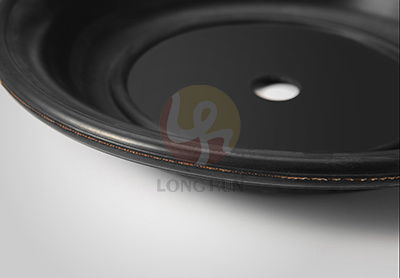
Diaphragms are flexible membranes that compartmentalize systems or regulate pressure within applications. In the context of the rubber industry, these components are predominantly used in pumps, valves, and various industrial applications. They play a crucial role in maintaining pressure, preventing leaks, and ensuring the smooth operation of machinery. The integration of **fiber reinforcement** enhances the mechanical properties of diaphragms, providing improved strength and flexibility while minimizing the failure rates commonly associated with standard rubber diaphragms.
Types of Diaphragms in the Rubber Industry
Diaphragms can be categorized based on their design, material composition, and functional application. Common types include:
- **Flat Diaphragms**: Typically used in applications requiring minimal deflection.
- **Formed Diaphragms**: Engineered for complex shapes, ideal for high-pressure environments.
- **Composite Diaphragms**: Incorporating multiple materials for enhanced performance.
Fiber Reinforcement: The Backbone of Diaphragms
Fiber reinforcement is the process of embedding fibers within the rubber matrix to enhance its physical properties. The fibers can be made of various materials, including:
- **Glass Fibers**: Known for their excellent tensile strength and thermal resistance.
- **Aramid Fibers**: Providing high resistance to impact and superior flexibility.
- **Carbon Fibers**: Offering exceptional strength-to-weight ratios and durability.
Benefits of Fiber Reinforcement
The incorporation of fiber reinforcement in diaphragms results in numerous advantages:
- **Increased Tensile Strength**: Reinforced diaphragms can withstand higher pressures without deforming.
- **Enhanced Durability**: The lifespan of diaphragms is significantly extended, reducing the need for frequent replacements.
- **Improved Flexibility**: Fiber reinforcement allows diaphragms to maintain flexibility under stress, enhancing their operational efficiency.
The Manufacturing Process of Fiber Reinforced Diaphragms
The production of quality fiber reinforced diaphragms involves several steps, ensuring optimal performance and reliability. The key stages of the manufacturing process include:
Material Selection
Choosing the appropriate rubber compound and reinforcement material is crucial. The selected materials must align with the intended application and environmental conditions.
Molding Techniques
Diaphragms can be produced using various molding techniques, such as compression molding or injection molding. These methods allow for precise control over the thickness and shape of the diaphragm.
Curing Process
The curing process solidifies the rubber, enhancing its mechanical properties. This step can also involve the integration of curing agents that improve the thermal and chemical resistance of the final product.
Applications of Fiber Reinforced Diaphragms
Fiber reinforced diaphragms find extensive applications across various industries due to their versatile properties. Key applications include:
Pneumatic and Hydraulic Systems
In pneumatic and hydraulic systems, diaphragms help regulate pressure and control fluid flow, ensuring efficient operation.
Automotive Applications
In automotive engines, diaphragms are used in fuel pumps and braking systems, where reliability and performance are paramount.
Water Treatment Facilities
Fiber reinforced diaphragms are utilized in water treatment facilities to manage pressure and prevent contamination effectively.
Advantages of Using Quality Fiber Reinforced Diaphragms
The adoption of quality fiber reinforced diaphragms provides a competitive edge within the rubber industry. The primary advantages include:
Cost-Effectiveness
Due to their extended lifespan and reduced maintenance requirements, fiber reinforced diaphragms prove to be cost-effective in the long run.
Enhanced Performance
The superior mechanical properties of reinforced diaphragms lead to improved system efficiency and reliability.
Versatility
These diaphragms can be tailored to meet specific requirements, making them suitable for a broad range of applications.
Future Trends in Diaphragm Technology
As technology continues to evolve, the rubber industry is witnessing innovative trends in diaphragm manufacturing. Future developments may include:
Smart Diaphragms
Integrating sensors within diaphragms to monitor pressure and performance in real-time could revolutionize maintenance practices.
Sustainable Materials
With a growing emphasis on sustainability, the rubber industry is exploring eco-friendly materials that maintain performance while reducing environmental impact.
Frequently Asked Questions
1. What are fiber reinforced diaphragms made of?
Fiber reinforced diaphragms are typically made from rubber compounds combined with various reinforcement fibers such as glass, aramid, or carbon fibers.
2. How do fiber reinforced diaphragms improve performance?
The reinforcement increases the tensile strength and flexibility of the diaphragms, allowing them to withstand higher pressures and reduce the likelihood of failure.
3. What industries utilize fiber reinforced diaphragms?
These diaphragms are used in a variety of industries, including automotive, aerospace, water treatment, and industrial machinery.
4. What is the typical lifespan of fiber reinforced diaphragms?
The lifespan can vary based on application and environmental conditions, but they generally last longer than standard rubber diaphragms due to their enhanced properties.
5. Are there any maintenance requirements for fiber reinforced diaphragms?
Regular inspections and timely replacements are recommended to ensure optimal performance, especially in high-stress applications.
Conclusion: The Future of Fiber Reinforced Diaphragms in the Rubber Industry
Quality fiber reinforced diaphragms are becoming indispensable in the rubber industry, offering enhanced durability, flexibility, and performance across a wide array of applications. As technology advances, the potential for smart, sustainable materials in diaphragm manufacturing presents exciting opportunities for the future. By investing in these innovative solutions, companies can not only improve their operational efficiency but also contribute to a more sustainable future in the rubber industry.
Related News
Innovative Uses of Rubber Bonded Metal Products in Chemical Manufacturing
Innovative Uses of Rubber Bonded Metal Products in Chemical Manufacturing Table of Contents 1. Introduction to Rubber Bonded Metal Products 2. Benefits of Rubber Bonded Metal Products in Chemical Manufacturing - 2.1 Durability and Resistance to Chemicals - 2.2 Cost-Effectiveness of Rubber Bonded Metal - 2.3 Safety Enhancements in Chemical Processes 3. Key Applications of Rubbe
Dec 13,2025
Unlocking the Potential of Customized Molded Rubber Balls for Diverse Applications
Customized molded rubber balls are increasingly becoming essential components in various industries due to their adaptability and unique properties. These balls can be tailored to meet specific requirements, such as size, shape, color, and elasticity, providing solutions for a wide range of applications. By understanding the advantages and processes involved in creating these specialized products,
Dec 11,2025
Exploring the Role of Quality Fiber Reinforced Diaphragms in the Rubber Industry
Exploring the Role of Quality Fiber Reinforced Diaphragms in the Rubber Industry Table of Contents Introduction: The Importance of Fiber Reinforced Diaphragms Understanding Diaphragms in Rubber Products Fiber Reinforcement: The Backbone of Diaphragms The Manufacturing Process of Fiber Reinforced Diaphragms Applications of Fiber Reinforced Diaphragms Advantages of Using Qua
Dec 09,2025
Essential Insights on Rubber Bellows Manufacturers in the Automotive Industry
--- Rubber bellows are crucial components in the automotive industry, designed to provide flexibility and protection for various mechanical parts. As a manufacturer of automotive transverse components and rubber hoses, understanding the dynamics of rubber bellows manufacturing can significantly enhance your operations. When seeking a rubber bellows manufacturer, it is essential to consider several
Dec 07,2025
The Comprehensive Guide to the Manufacturing Process of Viton O-Rings for Automotive Parts
The Comprehensive Guide to the Manufacturing Process of Viton O-Rings for Automotive Parts Table of Contents 1. Introduction to Viton O-Rings in Automotive Applications 2. The Importance of Viton in Automotive Parts Manufacturing 3. Raw Materials Used in Viton O-Ring Production 4. The Step-by-Step Manufacturing Process of Viton O-Rings 4.1 Mixing Process
Dec 05,2025

Add: Building # 7, No. 27, Songbai Ling Avenue, Zhonghan Huizhou Industrial Park, Zhongkai High-tech Zone, Huizhou, Guangdong, China 516032

LONGRUN
Privacy Policy | SEO | Support: 300.cn