
Understanding the Quality of Fiber Reinforced Diaphragms in Chemical and Rubber Industries
Publish:
2026-01-12


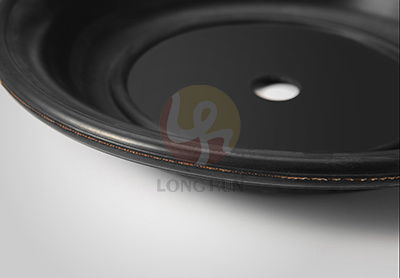
Fiber reinforced diaphragms are essential components widely utilized in the chemical and rubber industries, particularly in applications requiring enhanced durability and reliability. These diaphragms are engineered from a combination of high-performance fibers and elastomeric materials, resulting in a product that exhibits superior mechanical properties and resilience under challenging conditions
Fiber reinforced diaphragms are essential components widely utilized in the chemical and rubber industries, particularly in applications requiring enhanced durability and reliability. These diaphragms are engineered from a combination of high-performance fibers and elastomeric materials, resulting in a product that exhibits superior mechanical properties and resilience under challenging conditions.
One of the primary advantages of using quality fiber reinforced diaphragms is their ability to withstand extreme temperatures, pressures, and chemical exposures. This makes them ideal for applications like pumps, valves, and pressure vessels where the integrity of the diaphragm is critical to ensure safety and operational efficiency. The fiber reinforcement provides additional tensile strength, preventing deformation and rupture during high-stress situations.
When selecting a fiber reinforced diaphragm, it is crucial to consider the type of fibers used in the manufacturing process. High-quality fibers such as aramid, carbon, or fiberglass can significantly enhance the performance characteristics of the diaphragm. The choice of elastomeric material is also vital; compounds such as nitrile, EPDM, or silicone can provide resistance to various chemicals, thereby extending the life of the diaphragm in specific environments.
The manufacturing process of fiber reinforced diaphragms involves several stages, including the careful selection of materials, precise molding techniques, and rigorous quality control assessments. Each of these steps contributes to the overall performance and reliability of the diaphragm. Manufacturers often employ advanced techniques such as composite layering and chemical treatment to optimize the diaphragm's strength and flexibility.
Another crucial aspect to consider is the application environment. Diaphragms exposed to aggressive chemicals or extreme temperatures should be specifically designed to ensure compatibility. Additionally, the operational conditions—such as frequency of use and pressure variations—can influence the diaphragm's performance and longevity. Therefore, understanding the specific requirements of the application is essential to select the most suitable fiber reinforced diaphragm.
Regular maintenance and inspection of fiber reinforced diaphragms are also recommended to ensure continued functionality. Signs of wear, such as cracking or discoloration, should be monitored closely, and replacement should be considered to prevent system failures. By proactively managing the condition of these diaphragms, organizations can avoid costly downtime and maintain system integrity.
In conclusion, quality fiber reinforced diaphragms are a critical component in the chemical and rubber industries, providing enhanced strength, chemical resistance, and operational reliability. By understanding the materials, manufacturing processes, and application requirements, users can make informed decisions to optimize performance and ensure longevity in their operations.
One of the primary advantages of using quality fiber reinforced diaphragms is their ability to withstand extreme temperatures, pressures, and chemical exposures. This makes them ideal for applications like pumps, valves, and pressure vessels where the integrity of the diaphragm is critical to ensure safety and operational efficiency. The fiber reinforcement provides additional tensile strength, preventing deformation and rupture during high-stress situations.
When selecting a fiber reinforced diaphragm, it is crucial to consider the type of fibers used in the manufacturing process. High-quality fibers such as aramid, carbon, or fiberglass can significantly enhance the performance characteristics of the diaphragm. The choice of elastomeric material is also vital; compounds such as nitrile, EPDM, or silicone can provide resistance to various chemicals, thereby extending the life of the diaphragm in specific environments.
The manufacturing process of fiber reinforced diaphragms involves several stages, including the careful selection of materials, precise molding techniques, and rigorous quality control assessments. Each of these steps contributes to the overall performance and reliability of the diaphragm. Manufacturers often employ advanced techniques such as composite layering and chemical treatment to optimize the diaphragm's strength and flexibility.
Another crucial aspect to consider is the application environment. Diaphragms exposed to aggressive chemicals or extreme temperatures should be specifically designed to ensure compatibility. Additionally, the operational conditions—such as frequency of use and pressure variations—can influence the diaphragm's performance and longevity. Therefore, understanding the specific requirements of the application is essential to select the most suitable fiber reinforced diaphragm.
Regular maintenance and inspection of fiber reinforced diaphragms are also recommended to ensure continued functionality. Signs of wear, such as cracking or discoloration, should be monitored closely, and replacement should be considered to prevent system failures. By proactively managing the condition of these diaphragms, organizations can avoid costly downtime and maintain system integrity.
In conclusion, quality fiber reinforced diaphragms are a critical component in the chemical and rubber industries, providing enhanced strength, chemical resistance, and operational reliability. By understanding the materials, manufacturing processes, and application requirements, users can make informed decisions to optimize performance and ensure longevity in their operations.
Prev:
Related News
Understanding the Quality of Fiber Reinforced Diaphragms in Chemical and Rubber Industries
Fiber reinforced diaphragms are essential components widely utilized in the chemical and rubber industries, particularly in applications requiring enhanced durability and reliability. These diaphragms are engineered from a combination of high-performance fibers and elastomeric materials, resulting in a product that exhibits superior mechanical properties and resilience under challenging conditions
Jan 12,2026
Exploring Innovations in Rubber Bellows Manufacturing for the Automotive Industry
Exploring Innovations in Rubber Bellows Manufacturing for the Automotive Industry Table of Contents Introduction to Rubber Bellows in Automotive Applications The Importance of Rubber Bellows in Vehicles Overview of the Rubber Bellows Manufacturing Process Material Selection for Enhanced Performance Key Design Considerations in Rubber Bellows
Jan 10,2026
Exploring the Role of Viton O-rings in the Automotive Industry
Viton O-rings play a crucial role in the automotive industry, particularly in applications requiring high-temperature resistance and chemical stability. As a type of fluoropolymer elastomer, Viton offers exceptional resistance to a wide range of automotive fluids, including oils, fuels, and refrigerants. This makes them an ideal choice for sealing applications in various automotive systems, includ
Jan 08,2026
How Rubber Bonded Metals Enhance Performance in Industrial Settings
How Rubber Bonded Metals Enhance Performance in Industrial Settings Introduction to Rubber Bonded Metals In today's industrial landscape, the demand for materials that can withstand harsh environments while maintaining optimal performance has never been higher. **Rubber bonded metals** have emerged as a revolutionary solution, combining the strength of metals with the flexibility and resilience of
Jan 06,2026
How Quality Fiber Reinforced Diaphragms Enhance Performance in Chemical Engineering
How Quality Fiber Reinforced Diaphragms Enhance Performance in Chemical Engineering Table of Contents 1. Introduction to Fiber Reinforced Diaphragms 2. The Importance of Quality in Diaphragm Manufacturing 3. Material Composition and Its Impact 4. Performance Benefits of Fiber Reinforced Diaphragms 5. Applications in Chemical Engineering 6. Comparison with Traditional Diaph
Jan 02,2026

Add: Building # 7, No. 27, Songbai Ling Avenue, Zhonghan Huizhou Industrial Park, Zhongkai High-tech Zone, Huizhou, Guangdong, China 516032

LONGRUN
Privacy Policy | SEO | Support: 300.cn