
Choosing the Right Material for Your Customized Molded Rubber Balls: A Comprehensive Guide
Publish:
2026-01-14


Choosing the Right Material for Your Customized Molded Rubber Balls
Table of Contents
1. Introduction to Customized Molded Rubber Balls
2. Understanding Rubber Materials
2.1 Types of Rubber Used in Manufacturing
2.2 Comparison of Natural and Synthetic Rubber
3. Key Properties to Consider
3.1 Durability and Wear Resistance
3.2 Temperature and Chemical Resistance
3.3 Compression Se
Choosing the Right Material for Your Customized Molded Rubber Balls
Table of Contents
1. Introduction to Customized Molded Rubber Balls
2. Understanding Rubber Materials
2.1 Types of Rubber Used in Manufacturing
2.2 Comparison of Natural and Synthetic Rubber
3. Key Properties to Consider
3.1 Durability and Wear Resistance
3.2 Temperature and Chemical Resistance
3.3 Compression Set and Resilience
4. Common Applications of Molded Rubber Balls
5. Selecting the Right Material for Your Specific Application
5.1 High-Performance Applications
5.2 General Purpose Applications
6. Customization Options and Considerations
7. Environmental Considerations in Material Selection
8. Frequently Asked Questions
9. Conclusion
1. Introduction to Customized Molded Rubber Balls
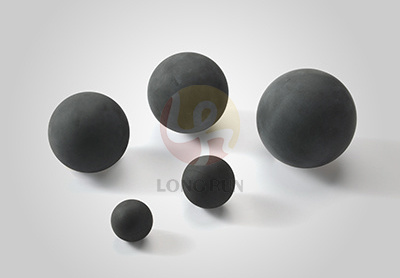
Customized molded rubber balls are essential components in numerous industries, from manufacturing to recreation. These balls can be tailored to specific requirements, including size, hardness, and other mechanical properties. The choice of material plays a critical role in their performance and longevity.
In this guide, we delve into the factors influencing material selection for molded rubber balls, helping you make an informed decision that meets your functional and budgetary needs.
2. Understanding Rubber Materials
The world of rubber is vast and complex, encompassing various materials, each with unique properties and uses. Understanding these materials is the first step in selecting the right one for your molded rubber balls.
2.1 Types of Rubber Used in Manufacturing
Rubber can be categorized primarily into two types: natural rubber and synthetic rubber. Each has distinct characteristics that can impact the performance of your molded products.
2.2 Comparison of Natural and Synthetic Rubber
Natural rubber is derived from latex produced by rubber trees. It is known for its exceptional elasticity and resilience. Synthetic rubber, on the other hand, is created through polymerization of petroleum-based products. Synthetic options like SBR (Styrene-Butadiene Rubber), NBR (Nitrile Butadiene Rubber), and EPDM (Ethylene Propylene Diene Monomer) offer tailored properties suitable for specific applications.
3. Key Properties to Consider
When selecting the material for your customized molded rubber balls, several properties must be evaluated to ensure optimal performance.
3.1 Durability and Wear Resistance
Durability is crucial, particularly in applications where the balls will experience significant wear and tear. Materials like NBR and SBR provide excellent wear resistance, making them ideal for heavy-duty applications.
3.2 Temperature and Chemical Resistance
Depending on the environment in which the rubber balls will be used, temperature and chemical resistance may be essential. EPDM rubber, for example, offers superior resistance to extreme temperatures and various chemicals, ensuring longevity in challenging conditions.
3.3 Compression Set and Resilience
The compression set measures a material's ability to return to its original shape after being compressed. A lower compression set indicates better resilience, which is vital for applications requiring repeated deformation like bouncing balls.
4. Common Applications of Molded Rubber Balls
Customized molded rubber balls find applications across a wide range of industries, including:
- **Manufacturing:** Used in machinery and equipment.
- **Sports:** Found in various athletic equipment.
- **Medical Devices:** Utilized in therapeutic and assistive devices.
- **Consumer Products:** Present in toys and recreational items.
Understanding the application will guide your material selection effectively.
5. Selecting the Right Material for Your Specific Application
Each application has unique requirements that dictate the best material choice.
5.1 High-Performance Applications
For high-performance applications, such as automotive or aerospace, materials like NBR or silicone rubber may be preferred due to their superior mechanical properties and temperature resistance.
5.2 General Purpose Applications
In contrast, for more general-purpose uses, materials such as SBR may suffice, offering a balance of cost-effectiveness and performance.
6. Customization Options and Considerations
Beyond material selection, customization options play a vital role in the functionality of molded rubber balls. This includes:
- **Size and Shape:** Tailoring dimensions to fit specific applications.
- **Hardness Levels:** Adjusting durometer hardness to achieve desired performance characteristics.
- **Color and Finish:** Enhancing aesthetics and branding opportunities.
When customizing, consider how these factors interact with your material choice to meet your needs effectively.
7. Environmental Considerations in Material Selection
As sustainability becomes increasingly important, consider the environmental impact of your material choices. Look for suppliers who offer recycled or eco-friendly rubber options.
Additionally, evaluate the lifecycle of the product and potential end-of-life considerations to minimize environmental footprints.
8. Frequently Asked Questions
**Q1: What are the most common materials used for molded rubber balls?**
A1: The most common materials include natural rubber, SBR, NBR, and EPDM, each suited for different applications based on their properties.
**Q2: How do I determine the hardness level required for my rubber balls?**
A2: The required hardness level depends on the specific application, such as whether the ball needs to bounce or withstand considerable pressure.
**Q3: Can I use recycled materials for my molded rubber balls?**
A3: Yes, many manufacturers offer options for recycled rubber, which can reduce environmental impact while maintaining performance.
**Q4: What is the best material for outdoor applications?**
A4: EPDM rubber is ideal for outdoor applications due to its excellent UV resistance and durability under extreme weather conditions.
**Q5: How do I ensure the quality of the rubber balls I order?**
A5: Partner with reputable suppliers who conduct rigorous quality control tests and can provide certifications for their materials.
9. Conclusion
Choosing the right material for your customized molded rubber balls is a critical decision that influences their performance, durability, and overall effectiveness. By understanding the properties of different rubber materials, evaluating your application's specific requirements, and considering customization options, you can make an informed choice that meets your needs.
Consulting with experienced manufacturers and suppliers can also provide valuable insights, ensuring that your final product excels in its intended use while adhering to environmental considerations. With the right approach, your customized molded rubber balls can deliver exceptional performance, whether in industrial, recreational, or medical applications.
Prev:
Related News
Choosing the Right Material for Your Customized Molded Rubber Balls: A Comprehensive Guide
Choosing the Right Material for Your Customized Molded Rubber Balls Table of Contents 1. Introduction to Customized Molded Rubber Balls 2. Understanding Rubber Materials 2.1 Types of Rubber Used in Manufacturing 2.2 Comparison of Natural and Synthetic Rubber 3. Key Properties to Consider 3.1 Durability and Wear Resistance 3.2 Temperature and Chemical Resistance 3.3 Compression Se
Jan 14,2026
Understanding the Quality of Fiber Reinforced Diaphragms in Chemical and Rubber Industries
Fiber reinforced diaphragms are essential components widely utilized in the chemical and rubber industries, particularly in applications requiring enhanced durability and reliability. These diaphragms are engineered from a combination of high-performance fibers and elastomeric materials, resulting in a product that exhibits superior mechanical properties and resilience under challenging conditions
Jan 12,2026
Exploring Innovations in Rubber Bellows Manufacturing for the Automotive Industry
Exploring Innovations in Rubber Bellows Manufacturing for the Automotive Industry Table of Contents Introduction to Rubber Bellows in Automotive Applications The Importance of Rubber Bellows in Vehicles Overview of the Rubber Bellows Manufacturing Process Material Selection for Enhanced Performance Key Design Considerations in Rubber Bellows
Jan 10,2026
Exploring the Role of Viton O-rings in the Automotive Industry
Viton O-rings play a crucial role in the automotive industry, particularly in applications requiring high-temperature resistance and chemical stability. As a type of fluoropolymer elastomer, Viton offers exceptional resistance to a wide range of automotive fluids, including oils, fuels, and refrigerants. This makes them an ideal choice for sealing applications in various automotive systems, includ
Jan 08,2026
How Rubber Bonded Metals Enhance Performance in Industrial Settings
How Rubber Bonded Metals Enhance Performance in Industrial Settings Introduction to Rubber Bonded Metals In today's industrial landscape, the demand for materials that can withstand harsh environments while maintaining optimal performance has never been higher. **Rubber bonded metals** have emerged as a revolutionary solution, combining the strength of metals with the flexibility and resilience of
Jan 06,2026

Add: Building # 7, No. 27, Songbai Ling Avenue, Zhonghan Huizhou Industrial Park, Zhongkai High-tech Zone, Huizhou, Guangdong, China 516032

LONGRUN
Privacy Policy | SEO | Support: 300.cn