


Understanding Quality Fiber Reinforced Diaphragms: Essential Insights for the Chemical and Rubber Industry
Publish:
2026-03-14


Fiber reinforced diaphragms are essential components in various engineering applications, particularly within the chemical and rubber industries. These diaphragms are designed to provide durability and flexibility, making them ideal for use in a range of environments where strength and resilience are paramount. The incorporation of fibers into the diaphragm material enhances its mechanical propert
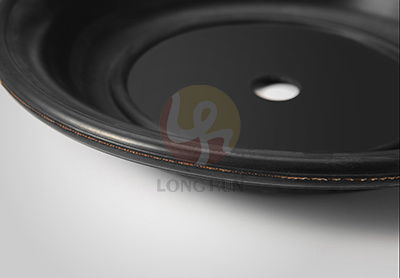
Fiber reinforced diaphragms are essential components in various engineering applications, particularly within the chemical and rubber industries. These diaphragms are designed to provide durability and flexibility, making them ideal for use in a range of environments where strength and resilience are paramount. The incorporation of fibers into the diaphragm material enhances its mechanical properties, allowing it to withstand significant stress and deformation without compromising its integrity.
One of the key features of quality fiber reinforced diaphragms is their composite structure. Typically made from a combination of rubber and reinforcing fibers, these diaphragms benefit from the unique properties of both materials. The rubber component offers excellent elasticity and resistance to environmental factors such as temperature, moisture, and chemical exposure, while the fibers contribute to improved tensile strength and resistance to tearing. This synergy ensures that the diaphragms can perform effectively in demanding applications, such as pumps, valves, and pneumatic systems.
In the chemical industry, quality fiber reinforced diaphragms are increasingly utilized in processes that require precise control of pressure and flow. Their ability to maintain performance under varying conditions makes them suitable for a range of chemical handling applications, from corrosive fluid containment to high-pressure gas systems. The use of these diaphragms can significantly enhance system reliability and operational efficiency, reducing the risk of leaks and failures.
Moreover, the versatility of fiber reinforced diaphragms allows for customization based on specific application needs. Manufacturers can adjust the type and quantity of reinforcing fibers to optimize the diaphragm's properties, tailoring them to specific operational requirements. This customization process is crucial for applications in specialized sectors, such as pharmaceuticals and food processing, where compliance with stringent safety and quality standards is essential.
Furthermore, the longevity of fiber reinforced diaphragms is a significant advantage. Their robust design leads to a longer service life compared to traditional diaphragms, resulting in lower maintenance costs and decreased downtime for equipment. This aspect is particularly important for industries where equipment reliability is critical to maintaining productivity.
As the demand for high-performance materials in the chemical and rubber industries continues to grow, quality fiber reinforced diaphragms represent a valuable solution for professionals seeking to enhance their operational capabilities. By understanding the properties, applications, and benefits of these diaphragms, industry experts can make informed decisions that contribute to improved efficiency and safety in their processes. In summary, quality fiber reinforced diaphragms are a critical component that combines strength, flexibility, and durability, making them essential for modern industrial applications.
One of the key features of quality fiber reinforced diaphragms is their composite structure. Typically made from a combination of rubber and reinforcing fibers, these diaphragms benefit from the unique properties of both materials. The rubber component offers excellent elasticity and resistance to environmental factors such as temperature, moisture, and chemical exposure, while the fibers contribute to improved tensile strength and resistance to tearing. This synergy ensures that the diaphragms can perform effectively in demanding applications, such as pumps, valves, and pneumatic systems.
In the chemical industry, quality fiber reinforced diaphragms are increasingly utilized in processes that require precise control of pressure and flow. Their ability to maintain performance under varying conditions makes them suitable for a range of chemical handling applications, from corrosive fluid containment to high-pressure gas systems. The use of these diaphragms can significantly enhance system reliability and operational efficiency, reducing the risk of leaks and failures.
Moreover, the versatility of fiber reinforced diaphragms allows for customization based on specific application needs. Manufacturers can adjust the type and quantity of reinforcing fibers to optimize the diaphragm's properties, tailoring them to specific operational requirements. This customization process is crucial for applications in specialized sectors, such as pharmaceuticals and food processing, where compliance with stringent safety and quality standards is essential.
Furthermore, the longevity of fiber reinforced diaphragms is a significant advantage. Their robust design leads to a longer service life compared to traditional diaphragms, resulting in lower maintenance costs and decreased downtime for equipment. This aspect is particularly important for industries where equipment reliability is critical to maintaining productivity.
As the demand for high-performance materials in the chemical and rubber industries continues to grow, quality fiber reinforced diaphragms represent a valuable solution for professionals seeking to enhance their operational capabilities. By understanding the properties, applications, and benefits of these diaphragms, industry experts can make informed decisions that contribute to improved efficiency and safety in their processes. In summary, quality fiber reinforced diaphragms are a critical component that combines strength, flexibility, and durability, making them essential for modern industrial applications.
Related News
The Role of Viton O-Rings in the Automotive Industry
Viton O-rings are vital components in the automotive industry, primarily recognized for their excellent chemical resistance and high-temperature stability. Made from a type of fluoroelastomer, Viton O-rings provide a reliable sealing solution in various automotive applications, including fuel systems, hydraulic systems, and engine assemblies. This reliability stems from their ability to withstand
Jul 29,2026
Enhancing Product Life: The Role of Rubber Bonded Metals in Manufacturing
Enhancing Product Life: The Role of Rubber Bonded Metals in Manufacturing Table of Contents 1. Introduction to Rubber Bonded Metals 2. Importance of Rubber Bonded Metals in Manufacturing 3. Key Applications of Rubber Bonded Metals 4. Benefits of Using Rubber Bonded Metals 5. The Manufacturing Process of Rubber Bonded Metals 6. Challenges and Solutions in Rubber Bonding
Jul 27,2026
Exploring the Benefits and Applications of Customized Molded Rubber Balls
Customized molded rubber balls are an innovative solution designed to meet specific requirements across various applications. These specialized rubber products are manufactured through a process that involves shaping rubber into precise forms, allowing for tailored sizes, hardness, and other physical properties. This customization enables industries to use these rubber balls in ways that standard
Jul 25,2026
From Concept to Creation: The Journey of Quality Fiber Reinforced Diaphragms
Understanding Fiber Reinforced Diaphragms Fiber reinforced diaphragms play a crucial role in various industrial applications, ensuring reliability and durability. These components are engineered to perform under significant pressure and stress, making them essential in environments ranging from automotive to aerospace. In this article, we will take a detailed look at their journey from concept to
Jul 23,2026
Understanding the Role of Rubber Bellows Manufacturers in the Automotive Industry
In the automotive industry, rubber bellows are essential components that serve various functions, including protection, flexibility, and sealing. As a rubber bellows manufacturer, understanding the specific needs of automotive applications is crucial for delivering high-quality products that meet industry standards. Rubber bellows are typically utilized in a variety of automotive systems, includin
Jul 21,2026

Add: Building # 7, No. 27, Songbai Ling Avenue, Zhonghan Huizhou Industrial Park, Zhongkai High-tech Zone, Huizhou, Guangdong, China 516032

LONGRUN
Privacy Policy | SEO | Support: 300.cn