A Comprehensive Guide to Customized Molded Rubber Balls: Essential Insights for Beginners
Publish:
2026-03-16


A Comprehensive Guide to Customized Molded Rubber Balls: Essential Insights for Beginners
Customized molded rubber balls represent a unique fusion of engineering, design, and functionality. Whether you are an entrepreneur looking to invest in rubber products or simply someone interested in understanding the intricacies of rubber ball manufacturing, this guide is crafted to provide you with the kno
A Comprehensive Guide to Customized Molded Rubber Balls: Essential Insights for Beginners
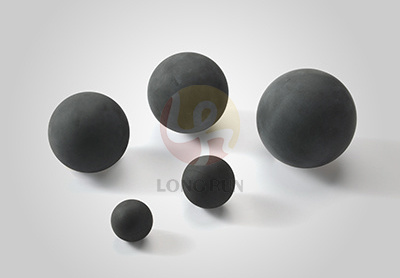
Customized molded rubber balls represent a unique fusion of engineering, design, and functionality. Whether you are an entrepreneur looking to invest in rubber products or simply someone interested in understanding the intricacies of rubber ball manufacturing, this guide is crafted to provide you with the knowledge you need. In this article, we will delve into the production, applications, benefits, and considerations of customized molded rubber balls.
Table of Contents
- 1. Introduction to Customized Molded Rubber Balls
- 2. What Are Customized Molded Rubber Balls?
- 3. The Manufacturing Process of Customized Molded Rubber Balls
- 4. Applications of Customized Molded Rubber Balls
- 5. Benefits of Using Customized Molded Rubber Balls
- 6. How to Choose the Right Customized Rubber Ball
- 7. Quality Assurance in Rubber Ball Manufacturing
- 8. Frequently Asked Questions
- 9. Conclusion
1. Introduction to Customized Molded Rubber Balls
The significance of customized molded rubber balls in various industries cannot be overstated. These versatile products are utilized in numerous applications ranging from sports equipment to specific industrial uses. Understanding their features and customization options is critical for anyone looking to procure or produce these items. This guide aims to demystify the complexity surrounding molded rubber balls, providing you with essential insights to make informed choices.
2. What Are Customized Molded Rubber Balls?
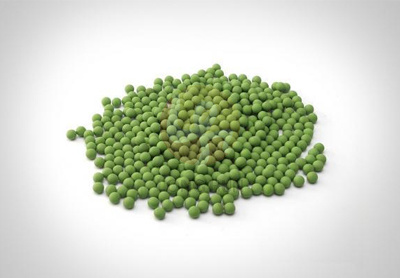
Customized molded rubber balls are exactly what their name implies—rubber balls that are manufactured using a molding process tailored to meet specific design and functional requirements. Unlike standard rubber balls, which are typically mass-produced, customized options allow for various specifications, including size, hardness, color, and surface texture. The flexibility in design makes these products highly sought after across multiple sectors.
Types of Rubber Used
Several types of rubber can be employed in the production of molded rubber balls. Common materials include:
- Natural Rubber: Known for its excellent elasticity and resilience, making it ideal for applications requiring flexibility.
- Synthetic Rubber: Includes materials like neoprene and silicone, often chosen for their resistance to environmental factors.
- EPDM: A type of synthetic rubber known for its durability and resistance to heat, oxidation, and aging.
3. The Manufacturing Process of Customized Molded Rubber Balls
The manufacturing process for customized molded rubber balls involves several key steps that ensure precision and quality. Understanding these stages can help buyers appreciate the complexity involved in producing rubber balls that meet their specific needs.
Material Selection
The first step in the manufacturing process is selecting the appropriate rubber material. The choice of material significantly impacts the ball's properties, including durability and application suitability. Each type of rubber offers unique benefits, and manufacturers typically consult with clients to determine the best fit.
Molding Techniques
Once the material is selected, the next step involves choosing a molding technique. Common methods include:
- Compression Molding: Involves placing rubber material into a heated mold, where it is pressed into the desired shape.
- Transfer Molding: Similar to compression molding but offers more intricate designs by transferring heated material into a mold cavity.
- Injection Molding: Rubber is injected into a mold under pressure, allowing for high precision and uniformity.
Curing Process
After molding, the rubber balls undergo a curing process, where they are heated to establish the final shape and properties. This step is crucial as it enhances the strength and elasticity of the product.
Finishing Touches
The final steps in the manufacturing process involve trimming excess material, inspecting for quality, and applying any additional features like printing or texturing. This attention to detail ensures a high-quality final product that meets customer specifications.
4. Applications of Customized Molded Rubber Balls
Customized molded rubber balls find a multitude of applications across various industries. Their versatility stems from their ability to be tailored to specific needs, making them suitable for:
Sports Equipment
In the realm of sports, customized rubber balls are produced for a wide range of activities, including basketballs, soccer balls, and playground balls. The ability to adjust size and grip enhances performance and user experience.
Industrial Uses
Industries often utilize rubber balls in machinery, as seals, and for cushioning during transport. Their resilience and adaptability make them ideal for harsh environments.
Toys and Recreation
In the toy industry, rubber balls are used in various products that promote play and exercise. Customized options allow for creative designs that capture children's attention.
Medical Applications
Customized molded rubber balls are also utilized in therapeutic settings. They can be designed for specific grip and texture to assist in rehabilitation exercises.
5. Benefits of Using Customized Molded Rubber Balls
Opting for customized molded rubber balls offers numerous advantages that cater to specific requirements:
Enhanced Performance
Customizations ensure that the balls meet the precise standards needed for optimal performance, whether in sports or industrial applications. The tailored design leads to improved functionality.
Durability and Longevity
By selecting high-quality materials and specific manufacturing processes, customized rubber balls tend to exhibit greater durability, providing better value over time.
Branding Opportunities
Customized rubber balls can be printed with logos or designs, serving as excellent branding tools that promote business visibility and engagement.
Cost-Effectiveness
While the initial investment may be higher compared to standard options, the long-term benefits and tailored specifications often lead to a more economical choice when considering performance and lifespan.
6. How to Choose the Right Customized Rubber Ball
Selecting the right customized rubber ball involves careful consideration of several factors to ensure it meets your specific needs:
Identify the Application
Understanding the intended use of the rubber ball is crucial. Whether for sports, industrial machinery, or therapeutic exercises, knowing the application will guide your choices.
Consider Material Properties
Evaluate the properties of different rubber materials. For example, if resistance to chemicals or UV light is necessary, synthetic rubber may be the better option.
Size and Weight Specifications
Determine the required size and weight of the ball based on its intended use. Sports balls may have specific weight regulations, while industrial balls may need to fit within machinery constraints.
Customization Options
Think about the customization options available. Do you require specific colors, textures, or imprinting? Assess your branding needs and aesthetic preferences.
Supplier Reputation
Choosing a reputable supplier is essential for ensuring quality. Look for manufacturers with positive customer reviews and a history of delivering high-quality products.
7. Quality Assurance in Rubber Ball Manufacturing
Quality assurance is a critical aspect of rubber ball manufacturing that ensures the final product meets industry standards and customer expectations. A robust quality assurance process includes:
Material Testing
Before production begins, materials should undergo rigorous testing to confirm their suitability for the intended application. Tests may include tensile strength, elongation, and resilience evaluations.
Production Monitoring
Continuous monitoring during the manufacturing process helps identify any deviations from standard practices. This proactive approach minimizes defects and ensures quality control.
Final Product Inspection
Before rubber balls are shipped, they should be subjected to final inspections that assess appearance, size, weight, and functional properties. This step guarantees that only high-quality products reach customers.
8. Frequently Asked Questions
What is the difference between standard and customized molded rubber balls?
Standard rubber balls are mass-produced with fixed specifications, while customized molded rubber balls can be tailored to meet specific design and functional requirements.
How long does it take to produce customized molded rubber balls?
The production time can vary based on the design complexity and manufacturing processes involved. Generally, it may take anywhere from a few weeks to several months.
Can I order a small quantity of customized rubber balls?
Many manufacturers offer the option to order small quantities, although minimum order quantities may apply. It's best to check with the supplier for specific requirements.
What factors should I consider when selecting a manufacturer?
Consider the manufacturer’s reputation, experience, quality assurance processes, and customer service when selecting a supplier for customized molded rubber balls.
Are customized molded rubber balls environmentally friendly?
Many manufacturers are now using eco-friendly materials and processes. It’s essential to inquire about sustainability practices when choosing a supplier.
9. Conclusion
Customized molded rubber balls represent an essential component across various sectors due to their versatility and adaptability. Understanding the manufacturing process, applications, and benefits allows you to make informed decisions when procuring these products. By investing in high-quality, customized options, you can enhance performance, durability, and brand visibility. Armed with the insights from this guide, you can confidently navigate the world of molded rubber balls and choose the right products to meet your specific needs.
Prev:
Related News
A Comprehensive Guide to Customized Molded Rubber Balls: Essential Insights for Beginners
A Comprehensive Guide to Customized Molded Rubber Balls: Essential Insights for Beginners Customized molded rubber balls represent a unique fusion of engineering, design, and functionality. Whether you are an entrepreneur looking to invest in rubber products or simply someone interested in understanding the intricacies of rubber ball manufacturing, this guide is crafted to provide you with the kno
Mar 16,2026
Fiber reinforced diaphragms are essential components in various engineering applications, particularly within the chemical and rubber industries. These diaphragms are designed to provide durability and flexibility, making them ideal for use in a range of environments where strength and resilience are paramount. The incorporation of fibers into the diaphragm material enhances its mechanical propert
Mar 14,2026
How to Identify a Trustworthy Rubber Bellows Manufacturer
How to Identify a Trustworthy Rubber Bellows Manufacturer Table of Contents 1. Introduction 2. Understanding Rubber Bellows 3. Importance of Quality in Manufacturing Rubber Bellows 4. Key Attributes of a Reputable Rubber Bellows Manufacturer 4.1 Certifications and Industry Standards 4.2 Experience and Expertise 4.3 Customer Service
Mar 12,2026
Exploring the Role of Viton O-Rings in the Automotive Industry
In the automotive industry, the demand for high-performance materials is crucial, especially in components that ensure the durability and reliability of vehicles. One such material that has gained prominence is Viton O-rings. Known for their superior properties, Viton O-rings play a vital role in various automotive applications, particularly where resistance to heat, chemicals, and wear is essenti
Mar 10,2026
Rubber Gaskets: Reliable Sealing Solutions for Industrial and Automotive Applications
Rubber gaskets are essential sealing components used in automotive, industrial, and electronic equipment. They provide reliable sealing, prevent leakage, and enhance system stability with excellent flexibility, durability, and resistance to heat, oil, and chemicals.
Mar 09,2026

Add: Building # 7, No. 27, Songbai Ling Avenue, Zhonghan Huizhou Industrial Park, Zhongkai High-tech Zone, Huizhou, Guangdong, China 516032

LONGRUN
Privacy Policy | SEO | Support: 300.cn