Exploring the Different Types of Customized Molded Rubber Balls Available
Publish:
2026-04-05


Exploring the Different Types of Customized Molded Rubber Balls Available
Table of Contents
1. Introduction to Customized Molded Rubber Balls
2. Types of Customized Molded Rubber Balls
2.1 Natural Rubber Balls
2.2 Synthetic Rubber Balls
2.3 Specialty Rubber Balls
3. Applications of Customized Molded Rubber Balls
Exploring the Different Types of Customized Molded Rubber Balls Available
Table of Contents
- 1. Introduction to Customized Molded Rubber Balls
- 2. Types of Customized Molded Rubber Balls
- 3. Applications of Customized Molded Rubber Balls
- 4. Benefits of Customized Molded Rubber Balls
- 5. The Manufacturing Process of Customized Molded Rubber Balls
- 6. Factors to Consider When Choosing Customized Rubber Balls
- 7. Frequently Asked Questions
- 8. Conclusion
1. Introduction to Customized Molded Rubber Balls
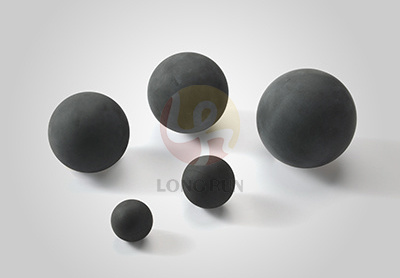
Customized molded rubber balls have become essential in various industries due to their versatility and adaptability. These products come in various materials, sizes, and designs to meet specific demands. Whether for industrial applications, recreational purposes, or specialized uses, understanding the different types of molded rubber balls can significantly enhance their effectiveness and functionality in real-world applications.
In this article, we will explore the various types available, their applications, benefits, and the manufacturing process involved in creating these customizable products. By the end, readers will gain a comprehensive understanding of how to select the right molded rubber ball for their needs.
2. Types of Customized Molded Rubber Balls
When it comes to customized molded rubber balls, several types cater to different applications. Each type possesses unique properties that make it suitable for specific uses. Below, we dissect the main categories of molded rubber balls available in today’s market.
2.1 Natural Rubber Balls
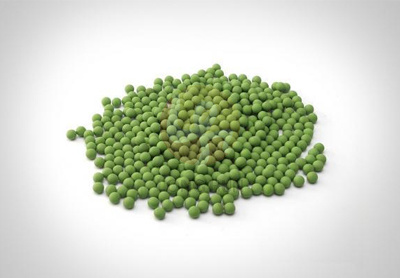
Natural rubber balls are made from latex derived from rubber trees. Known for their excellent elasticity, resilience, and tensile strength, these balls are commonly used in applications where durability is critical. Natural rubber offers superior grip and shock absorption, making it ideal for sports and recreational items such as balls for basketball, volleyball, and more. They also find applications in industrial settings, where shock-absorbing properties are vital.
2.2 Synthetic Rubber Balls
Synthetic rubber balls are manufactured from various synthetic materials, such as styrene-butadiene rubber (SBR) and ethylene propylene diene monomer (EPDM). These materials allow for enhanced performance characteristics, including resistance to heat, chemicals, and UV light. Synthetic rubber balls are commonly used in automotive, aerospace, and industrial applications, where exposure to harsh environments is a concern. Their versatility also extends to sports and recreational purposes, offering options suitable for specific needs.
2.3 Specialty Rubber Balls
Specialty rubber balls are designed for niche applications that require unique properties. These may include balls infused with specific additives to enhance performance, such as anti-static properties, enhanced grip, or color customization. Specialty rubber balls are often utilized in laboratories, medical devices, and other specialized environments where standard rubber balls may not suffice. By customizing these balls, manufacturers can provide solutions tailored to meet specific industry requirements.
3. Applications of Customized Molded Rubber Balls
The applications of customized molded rubber balls are as diverse as the types available. Below, we highlight some of the primary sectors benefiting from these versatile products:
3.1 Sports and Recreation
In the realm of sports, customized molded rubber balls are indispensable. They are used in various games, including basketball, soccer, and volleyball, where performance and durability are paramount. By tailoring the design, size, and material, manufacturers can create balls that enhance player performance and enjoyment.
3.2 Industrial Applications
Industries such as automotive, manufacturing, and construction utilize molded rubber balls for various purposes. They serve as shock absorbers, seals, and components within machinery. The ability to customize these balls ensures they meet the specific requirements of each application, enhancing efficiency and performance.
3.3 Medical Devices
In medical applications, customized molded rubber balls are often used in devices such as syringes and diagnostic tools. Their non-toxic properties make them safe for use in healthcare settings, while customization ensures they meet stringent regulations and performance standards.
3.4 Promotional Products
Many companies use customized molded rubber balls as promotional items. By branding these balls, businesses can effectively market their products while providing customers with practical and enjoyable items. This approach not only enhances brand visibility but also creates a lasting impression.
4. Benefits of Customized Molded Rubber Balls
Choosing customized molded rubber balls offers numerous advantages. Here are some key benefits:
4.1 Tailored Solutions
Customization allows companies to design rubber balls that meet their specific requirements. Whether it’s the size, color, or material, tailored solutions ensure optimal performance in various scenarios.
4.2 Enhanced Durability
Customized rubber balls are designed with durability in mind. By selecting the right materials and manufacturing processes, manufacturers can create products that withstand wear and tear, ensuring longevity and reliability.
4.3 Improved Performance
The customization process often includes optimizing the performance characteristics of the rubber balls. This enhancement leads to better grip, shock absorption, and overall functionality, which is critical in high-performance applications.
4.4 Cost-Effectiveness
Investing in customized molded rubber balls can be cost-effective in the long run. By selecting the right materials and designs, companies can reduce the need for frequent replacements, ultimately saving money.
5. The Manufacturing Process of Customized Molded Rubber Balls
The manufacturing process of customized molded rubber balls involves several steps to ensure the final product meets specified requirements.
5.1 Material Selection
The first step is selecting the appropriate rubber material based on the desired properties and application. This could involve choosing between natural or synthetic rubber, as well as considering any specialty additives.
5.2 Molding Process
Once the materials are selected, the rubber is molded into the desired shape using techniques such as compression molding, injection molding, or transfer molding. Each method has its advantages, depending on the design complexity and production volume.
5.3 Quality Control
Quality control is a critical component of the manufacturing process. Each batch of molded rubber balls undergoes rigorous testing to ensure they meet performance standards and specifications. This step is vital for maintaining quality and reliability in the final product.
5.4 Customization and Finishing Touches
After molding, additional customization can be applied, such as printing logos, applying coatings, or adding specific textures. These finishing touches enhance the functionality and appearance of the rubber balls, making them suitable for their intended applications.
6. Factors to Consider When Choosing Customized Rubber Balls
Selecting the right customized molded rubber ball involves careful consideration of several factors:
6.1 Purpose and Application
Understanding the specific use case is crucial. Whether for sports, industrial applications, or medical devices, knowing the intended purpose will guide the selection of materials and designs.
6.2 Material Properties
Consider the properties of the rubber material, including elasticity, durability, and resistance to chemicals or heat. Selecting the right material can significantly impact the performance of the rubber ball.
6.3 Size and Shape
The size and shape of the rubber ball are also important considerations. Depending on the application, specific dimensions may be required to ensure optimal functionality.
6.4 Budget Constraints
Lastly, it's essential to establish a budget for the customized rubber balls. While customized solutions may have a higher upfront cost, their long-term benefits often justify the investment.
7. Frequently Asked Questions
7.1 What are the main uses of customized molded rubber balls?
Customized molded rubber balls are used in sports, industrial applications, medical devices, and promotional products, providing tailored solutions for various needs.
7.2 How are customized rubber balls made?
The manufacturing process involves material selection, molding, quality control, and customization to ensure the rubber balls meet specific requirements.
7.3 What materials are commonly used for molded rubber balls?
Natural rubber, synthetic rubber, and specialty rubber materials are commonly used, each offering unique characteristics suitable for different applications.
7.4 Can I get customized rubber balls in different colors?
Yes, customization often includes color options, allowing companies to brand their products effectively or meet specific aesthetic needs.
7.5 How long do customized molded rubber balls last?
The lifespan of customized molded rubber balls depends on the materials used and the application. With proper selection and care, they can last for many years.
8. Conclusion
Customized molded rubber balls play a vital role across various industries, offering tailored solutions that enhance performance, durability, and functionality. By understanding the different types available, their applications, and the manufacturing process, companies can make informed decisions when selecting these versatile products. Whether for sports, industrial use, or specialized applications, investing in customized rubber balls ensures optimal performance and satisfaction. Embrace the versatility of tailored molded rubber balls and discover how they can meet your unique needs.
Prev:
Related News
Exploring the Different Types of Customized Molded Rubber Balls Available
Exploring the Different Types of Customized Molded Rubber Balls Available Table of Contents 1. Introduction to Customized Molded Rubber Balls 2. Types of Customized Molded Rubber Balls 2.1 Natural Rubber Balls 2.2 Synthetic Rubber Balls 2.3 Specialty Rubber Balls 3. Applications of Customized Molded Rubber Balls
Apr 05,2026
Understanding the Advantages of Quality Fiber Reinforced Diaphragms in Chemical Applications
Fiber reinforced diaphragms are increasingly becoming a cornerstone in the chemical industry, particularly in applications requiring durability and resilience. These diaphragms are designed to withstand various operational challenges, including extreme temperatures, high pressures, and corrosive environments. By incorporating quality fiber reinforcement, these diaphragms enhance their mechanical p
Apr 03,2026
Enhance Industrial Efficiency with Fiber Reinforced Diaphragm
China Fiber Reinforced Diaphragm customize delivers durable, high-performance, tailored solutions for industrial applications.
Apr 02,2026
The Advantages of Tailored Rubber Bellows Solutions for Your Automotive Applications
The Advantages of Tailored Rubber Bellows Solutions for Your Automotive Applications Table of Contents Introduction to Custom Rubber Bellows What Are Rubber Bellows? The Importance of Customization in Automotive Applications Key Benefits of Custom Rubber Bellows Solutions 1. Enhanced Durability 2. Superior Flexibility 3. Cost-Effectiven
Apr 01,2026
Exploring the Role of Viton O-Rings in the Automotive Industry
Viton O-rings are a critical component in the automotive industry, known for their exceptional resistance to heat, chemicals, and wear. Made from a type of fluoropolymer, these O-rings have set a high standard for sealing solutions due to their durability and reliability in harsh environments. Automotive applications often expose components to extreme temperatures, aggressive fluids, and varying p
Mar 30,2026

Add: Building # 7, No. 27, Songbai Ling Avenue, Zhonghan Huizhou Industrial Park, Zhongkai High-tech Zone, Huizhou, Guangdong, China 516032

LONGRUN
Privacy Policy | SEO | Support: 300.cn